At a glance
- An open RIB on the Hjørundfjord is a fast, low boat on sheltered water, so the motion is short and punchy rather than a long ocean swell.
- The middle of the boat, close to the centre line, moves least. The front seats take the biggest hits and the most spray.
- Eat something plain an hour or two ahead, skip alcohol, and take any seasickness tablets early rather than on the dock.
- Thin layers under the outer kit, wool socks, light gloves and a hat. Wind chill, not the air temperature, is what you will notice.
- The RIB Ålesund - Fjordsafari Hjørundfjord runs 105 minutes and is listed from US$157, with free cancellation up to 24 hours in advance.[1]
- Top choice RIB Ålesund, Hjørundfjord from US$157 Duration105 minutes[1]Rating4.88 from 150 reviews[1]StopsHjørundfjorden[1]GuideLive tour guide: English[1]CancellationFree cancellation up to 24 hours[1] Check availability
- Hjørundfjord cruise from US$115 Duration5 hours[2]Rating4.58 from 282 reviews[2]StopsTrandal, Saebo, Urke, Øye[2]GuideLive tour guide: English[2]CancellationFree cancellation up to 24 hours[2] See this tour
- RIB Geirangerfjord from US$104 Duration1 hour[3]Rating4.94 from 238 reviews[3]StopsHellesylt, Seven Sisters[3]GuideLive tour guide: English[3]CancellationFree cancellation up to 24 hours[3] See this tour

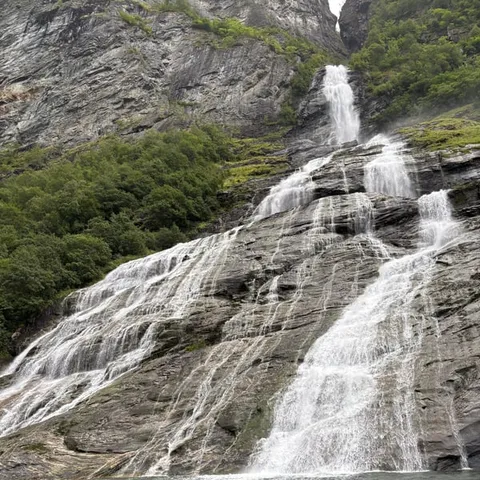
As an arm of the enormous Storfjord, the Hjørundfjord stretches for 35km beneath the jagged mountain peaks of the Sunnmøre Alps .
Is a fjord RIB comfortable if you get seasick?
Before you board
- Eat something plain an hour or two before you go
- Wear thin layers under the outer kit
- Pack sunglasses with a strap and a dry bag
- Take seasickness tablets well before departure
On the water
- Choose a seat in the middle of the boat
- Keep your eyes on the far shore, not your screen
- Tell the guide you may feel unwell before you set off
- Free cancellation up to 24 hours in advance[1]
Why Fjord Water Stays Calm and Protected
The Hjørundfjord stretches for 35km, running between mountain walls as an arm of the Storfjord rather than out into open sea.[4] That shelter shapes the ride. Wind needs open distance to build a wave, and a narrow fjord does not offer much of it, so most of the motion you feel comes from the boat itself: the throttle, the lean into a turn, the slap as the hull comes off a small wave, and the wake of a passing ferry. On a still morning the surface is dark and glassy, and it mirrors the slopes above it for the whole run.
Slogen is a 1,564-meter mountain in the Sunnmøre Alps, with a pyramid shape that plunges directly into Norangsfjord, an arm of the Hjørundfjord.[5] Peaks that fall straight into water make a fjord feel like a room with high walls, and the water below behaves much the same way. Shelter is not the same as stillness, though. A RIB is small, light and fast, and it reacts to every input, so people who are comfortable on a big ferry sometimes feel the flick of a RIB more sharply. A ride on the RIB Ålesund - Fjordsafari Hjørundfjord lasts 105 minutes.[1]
What to Eat and Drink Before You Board
Motion sickness is easier to prevent than to fix, and the hours before boarding matter more than anything you do once the engine starts. Eat something plain and familiar an hour or two before you go: bread, a banana, plain yoghurt, a bowl of soup. Arriving on an empty stomach is a common mistake, and so is a heavy, rich or fried meal. Both leave you more likely to feel queasy once the boat begins to plane. Alcohol the night before, and a lot of coffee on the morning, are two more things that rarely help. If you have been seasick before, plan as though it will happen and you will usually be pleasantly surprised.
Drink water normally rather than in big gulps just before you step aboard, and keep a small bottle with you for the ride. Ginger, in sweets or a cold drink, is a traditional remedy and a harmless thing to try if you already know it works for you. If you use motion sickness tablets, take them as directed on the packet, which usually means well before departure rather than on the dock. Tell the guide before you set off if you are prone to feeling unwell, because a small change of speed or line is easier at the start than halfway across.
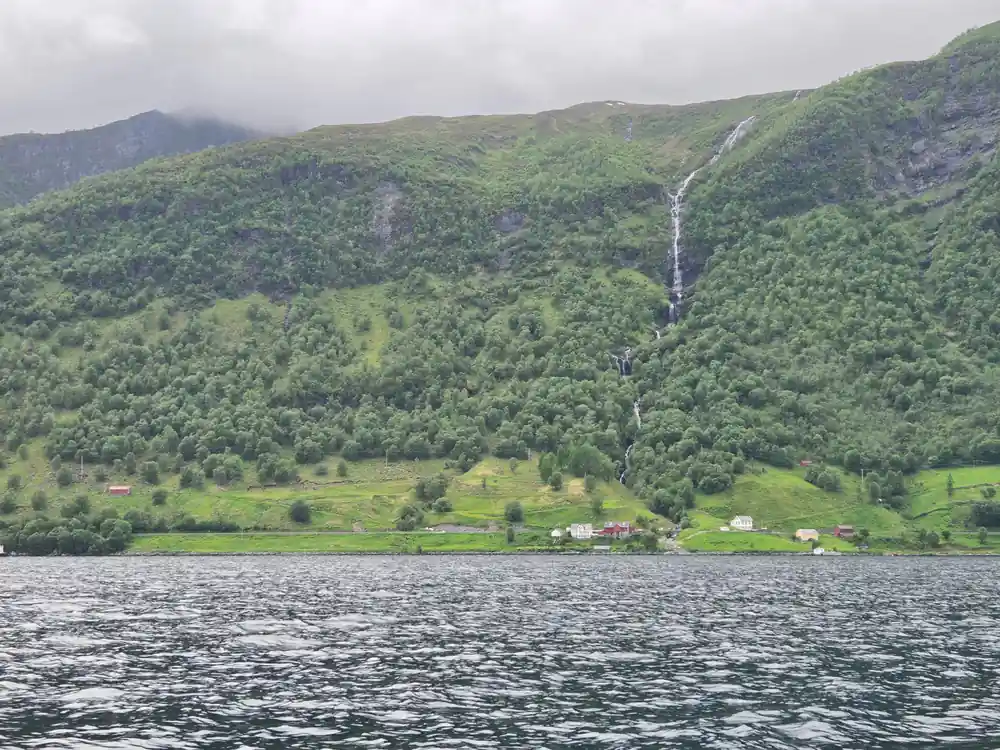
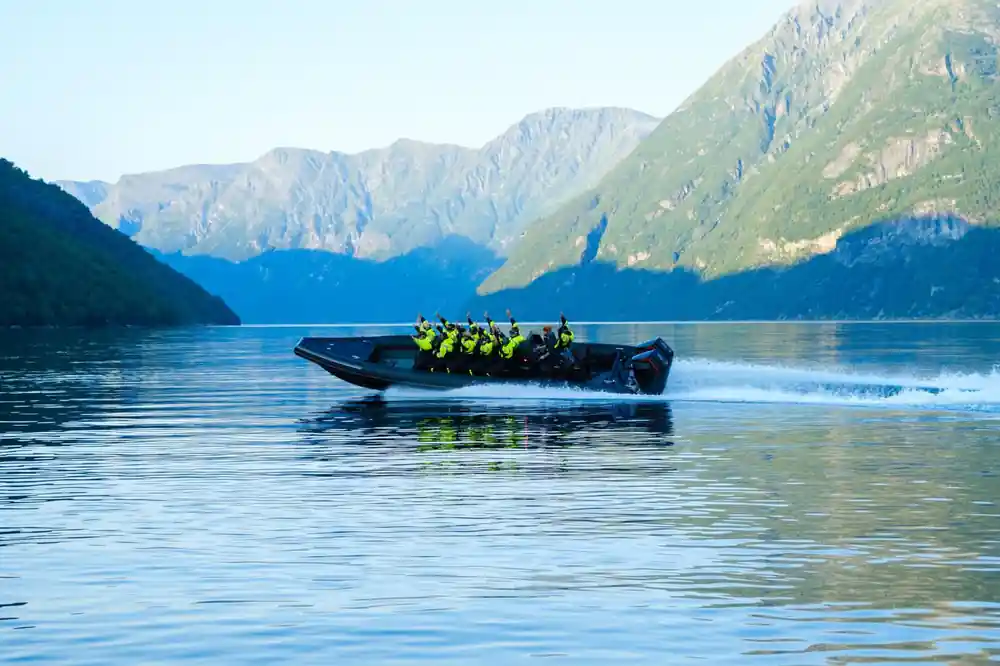
Flat fjord water under an open RIB on a still Hjørundfjord morning.
Seat Position and Spine Impact: Where to Sit
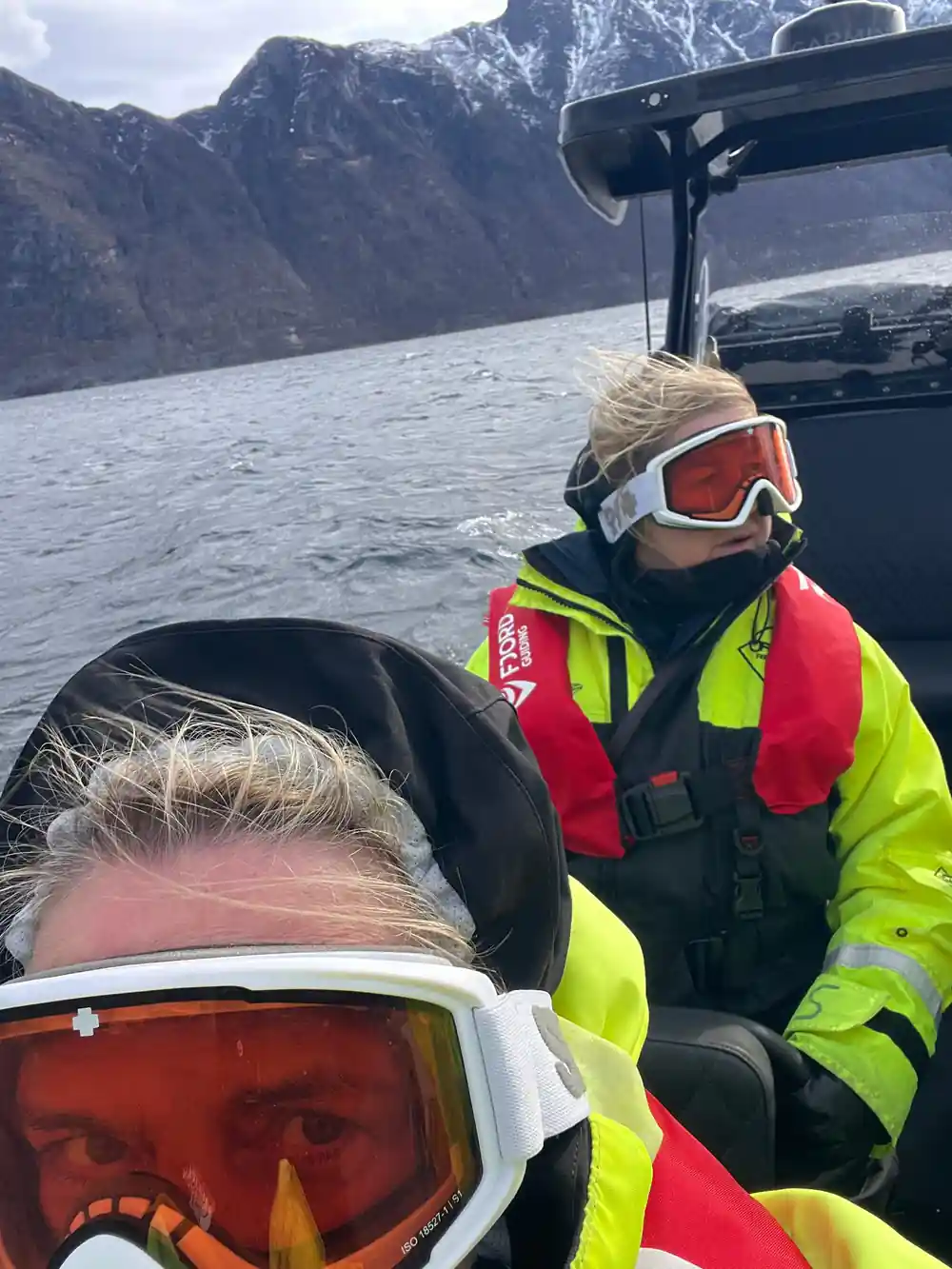
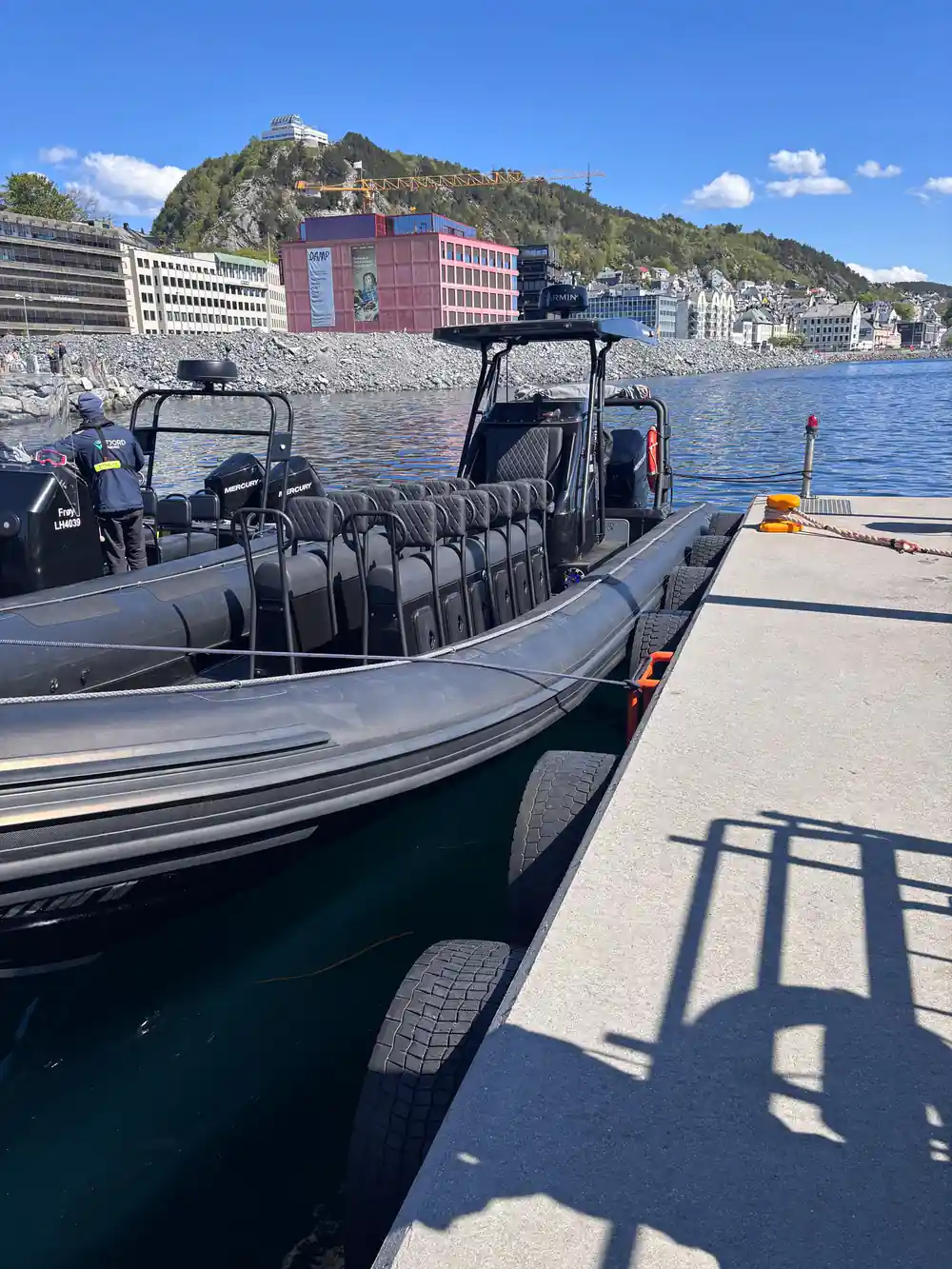
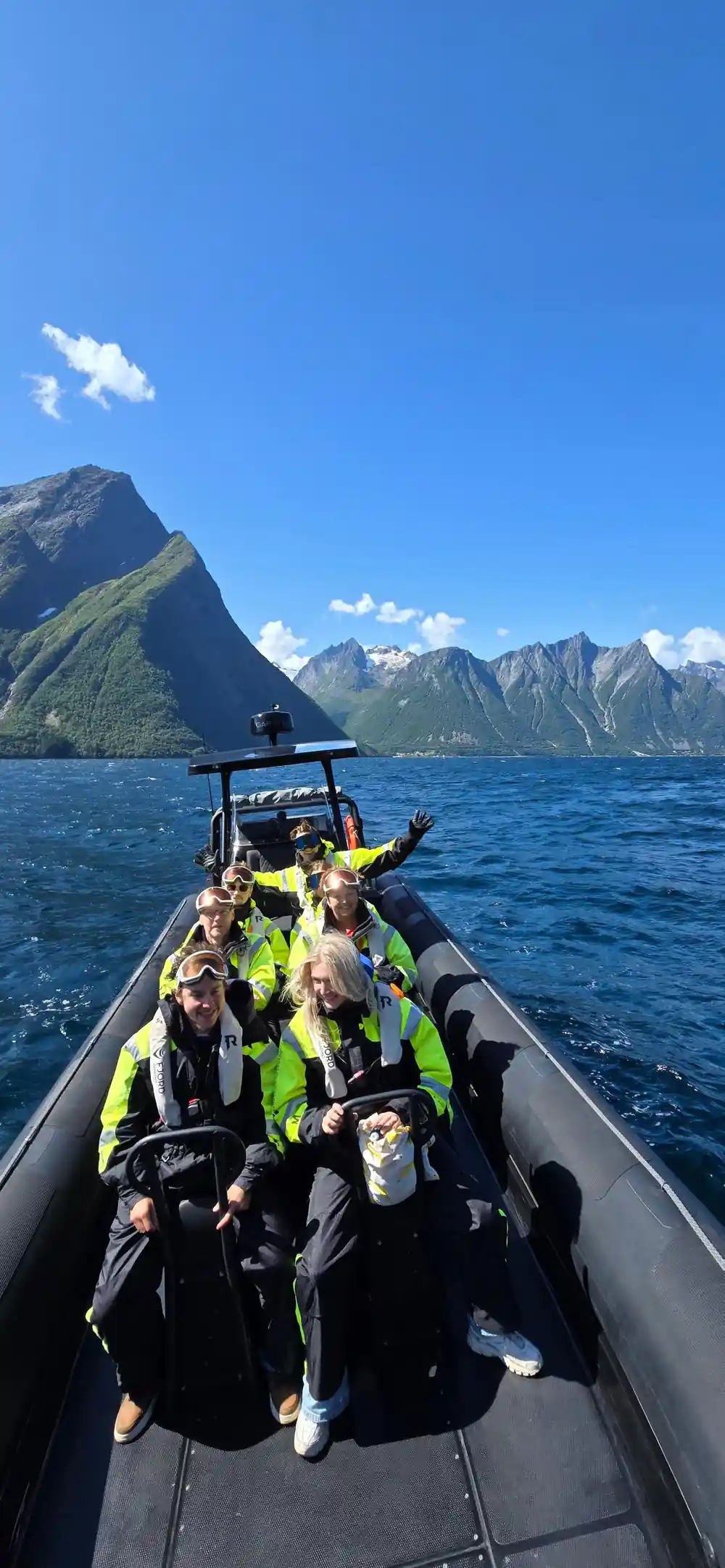
RIB seating is usually a straddle saddle with a backrest, and how you sit in it changes how the ride reaches your spine. Sit deep, with your feet braced against the deck or the footrest in front of you and your knees bent, so your legs absorb some of each impact instead of passing all of it up your back. The middle of the boat, close to the centre line, generally moves least. The front seats take the biggest hits and the most spray, while the rear seats are often the smoothest and the noisiest, since that is where the engine sits.
Keep your torso upright rather than slumped, and hold the grab handle in front of you rather than gripping the person beside you. Looking forward along the direction of travel, with your head level, helps your eyes and inner ear agree with each other. If you have a back or neck problem, say so before you board, because sitting further back and taking a gentler line is usually possible. Do not stand while the boat is moving, and keep your weight centred when the skipper turns. Most RIB discomfort comes from being tense, so let the boat move and move with it.
Spray, Splashing and What to Wear
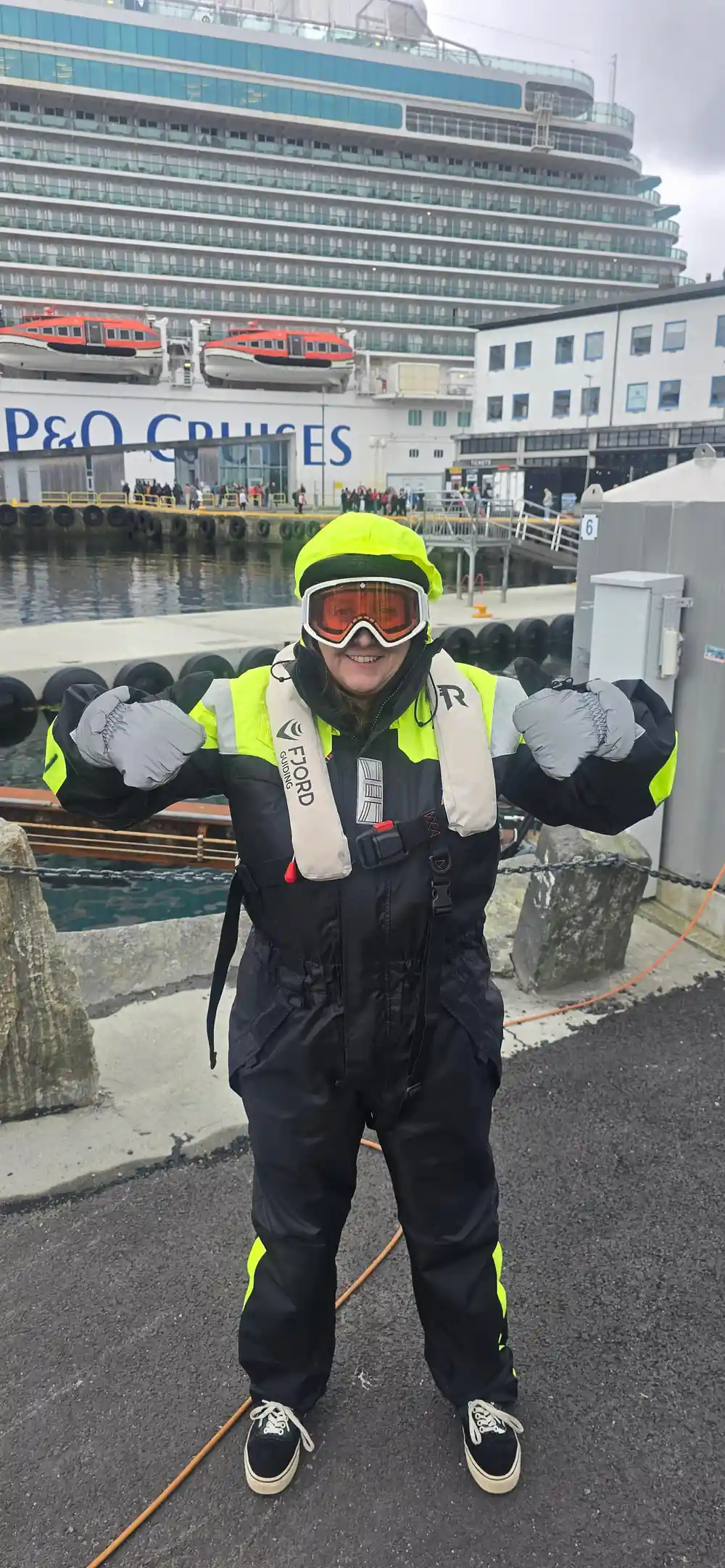
Ålesund has an oceanic climate, with cold, rainy winters and cool summers.[6] Wind chill on a fast open boat is the thing that catches people out, and it arrives long before any spray does. Wear thin layers under whatever outer kit you are given: a wicking base layer, a fleece, and something windproof. Cotton next to the skin is a poor choice, because once it is damp it stays damp and cold. Wool socks, light gloves and a thin hat or buff under a helmet make a surprising difference.
Spray is part of a RIB ride, mostly on turns and in the chop behind a ferry, and it is cold water rather than a warm shower. A dry bag for your phone and camera is worth having, and a spare pair of gloves inside it is a small luxury if you get soaked early in the trip. Sunglasses with a strap are better than loose ones. Leave jewellery and loose scarves at home, since wind will find them. Everything you bring should either survive getting wet or be sealed away.
105 minutes
The RIB Ålesund - Fjordsafari Hjørundfjord runs 105 minutes on Hjørundfjorden with a live guide in English.[1]
Glasses and Contact Lenses on the Water
Wind is the main problem for glasses on a RIB, with spray a close second. A snug strap around the back of your head keeps them on when you turn to look at something, and it also stops them sliding down your nose. If you can, bring a spare pair in the dry bag. Goggles that fit over your glasses are another option and are useful in rain, though they can mist up when the boat slows. A microfibre cloth kept somewhere dry will be needed at some point. It is also worth checking that your strap fits over a hat.
Contact lenses dry out quickly in fast, moving air, and salt spray on the surface of the eye makes it worse. Rewetting drops help, and it is easier to use them before you board than to fight with a small bottle at speed. If your eyes stream badly in wind, glasses may be the more comfortable choice for a RIB even if you normally wear lenses. Keeping your eyes on the far shore rather than on a screen reduces that dry, gritty feeling, and it is the same trick that helps with queasiness.
If You Feel Unwell: Signalling the Skipper
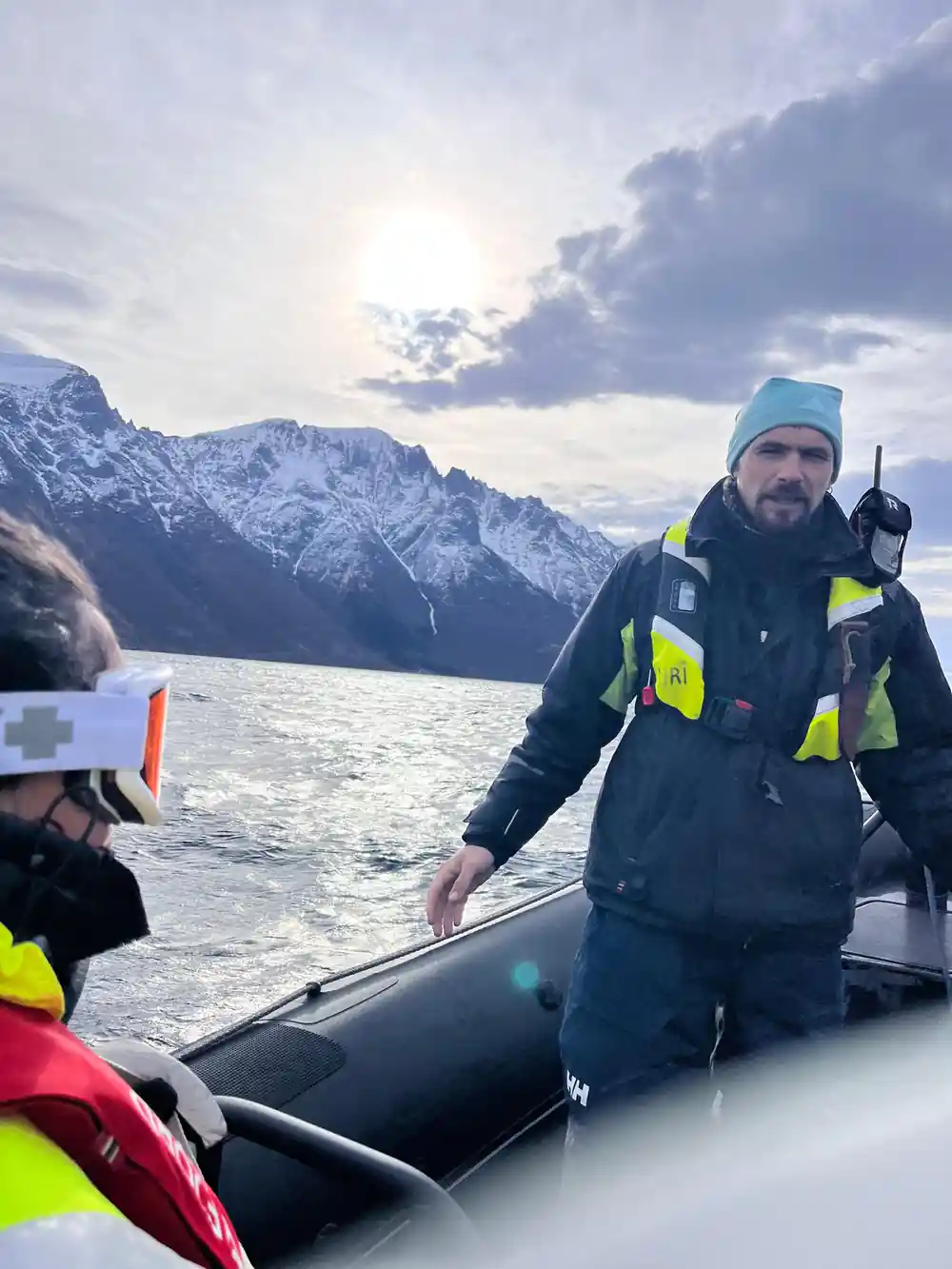
The RIB Ålesund - Fjordsafari Hjørundfjord has a live tour guide who speaks English.[1] That matters, because you can explain how you feel in plain words rather than gestures. Raise a hand as soon as you notice the first signs, which are usually a cool sweat, a dry mouth and a sudden wish to stop talking. The skipper cannot watch every passenger at once, so getting attention early is the whole trick. Sitting up, facing forward and breathing steadily through your nose often settles it within a minute or two.
Fixing your eyes on something solid and distant is the most reliable self help on the water. Harbour porpoises are the fjord's most common cetaceans, appearing singly or in small groups as they hunt fish near the surface.[7] Watching for a back and a small fin gives you a reason to keep scanning the horizon. Avoid reading, and avoid staring down at a camera screen for long. If you feel worse rather than better, tell the guide again. Nobody enjoys a trip less because someone spoke up.
Exiting Early and Your Options Ashore
If you would rather see the fjord at a gentler pace, there are scheduled boats to fall back on. In summer there is an express boat service from Ålesund to Øye that stops at Trandal, Sæbø and Urke, and there are ferry crossings between Ytre Standal, Trandal, Sæbø, Skår and Leknes.[8] A village stop is often a manageable plan rather than a lost day, whether you leave the RIB early or simply build the rest of the afternoon around a slower crossing.
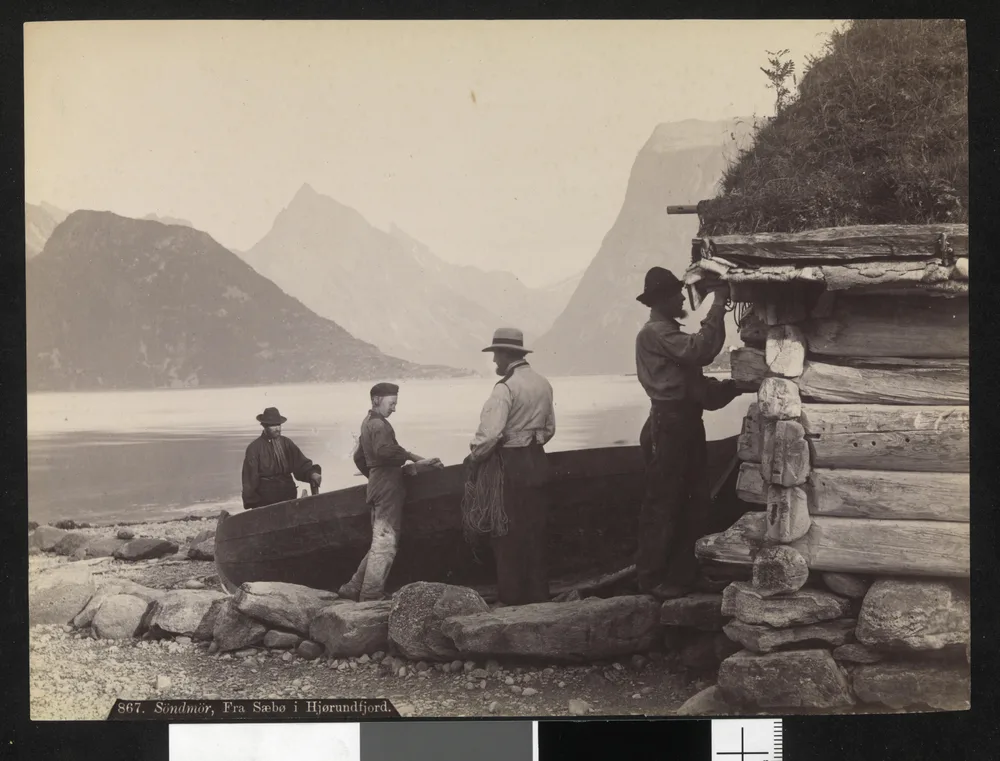
The fjord's villages reward a slow afternoon. Hotel Union Øye was established in 1891 and gained fame when the aristocracy and luminaries of Europe sought nature without sacrificing luxury and comfort.[9] In Norangsdal, a rock fall from Keipen in 1908 formed Lygnstøylvatnet, and beneath its waters you can still see remains of the old road, the foundations of the farmhouses and the gateway.[10] Booking is flexible as well: the RIB tour is listed with free cancellation up to 24 hours in advance for a full refund.[1]
How many travellers have reviewed each fjord trip
What the fjord trips cost
From-prices in US dollars as listed:[1][2][3][11]
When to go, and when to wait
Comfort on the water
Book with a flexible fare
Free cancellation up to 24 hours in advance and reserve now, pay later are both listed, so you can hold a place early.[1]
Eat light an hour ahead
Something plain and familiar settles the stomach, while a heavy meal or a late night makes queasiness far more likely.
Dress for wind chill
Thin layers, wool socks, gloves and a hat under the outer kit. The fjord air stays cool even in high summer.
Take a middle seat
Sit close to the centre line, brace your feet and keep your torso upright so the bumps travel through your legs.
Speak up early
Tell the guide before departure if you are prone to motion sickness, and raise a hand the moment you feel off.
Book the Hjørundfjord RIB and pick a calm morning
from US$157Reserve now & pay later