At a glance
- A thin merino or synthetic top and leggings under your outer layer beat one bulky jumper, and they dry fast once you are back on land.
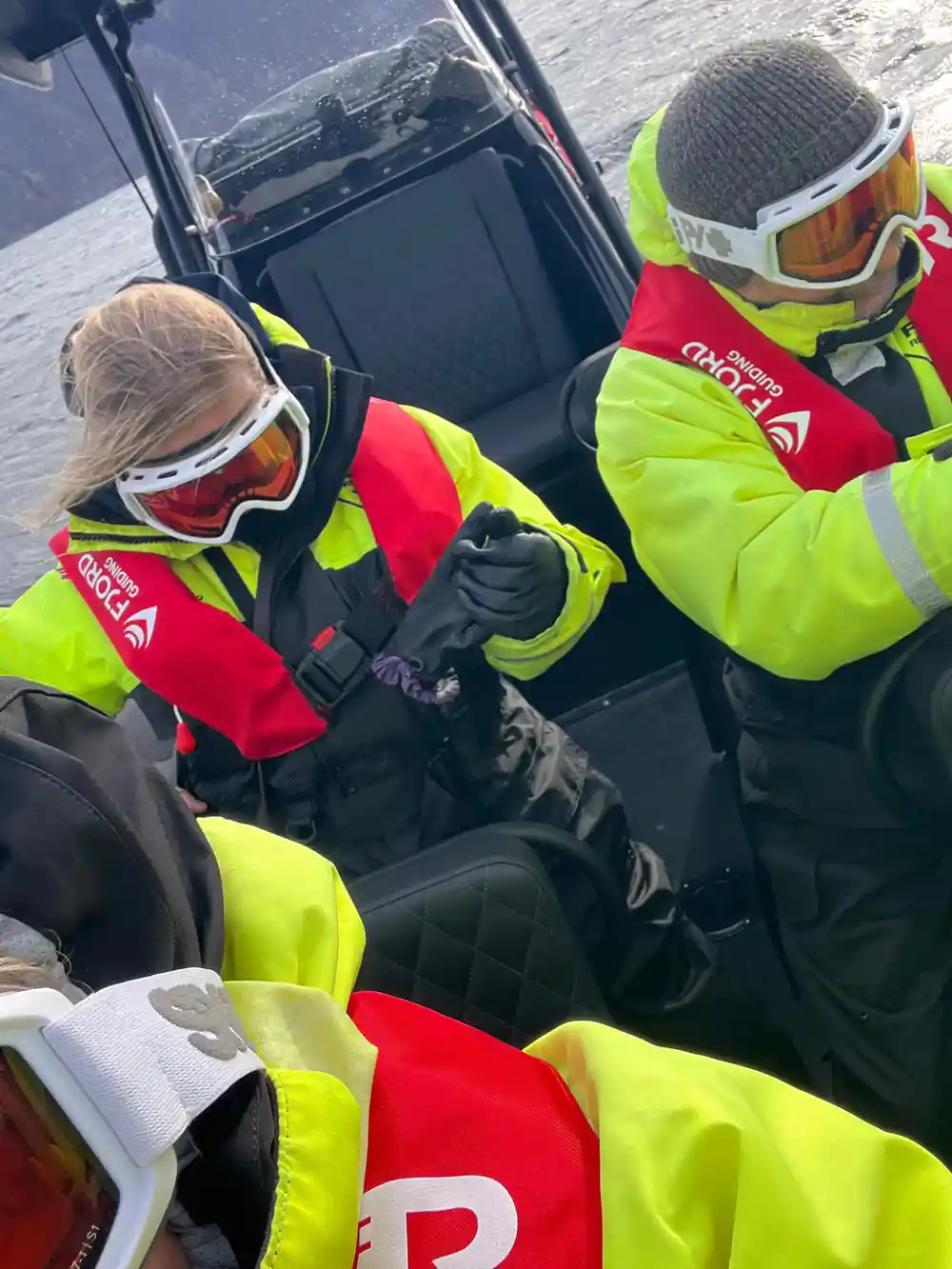
- Trainers with grip and warm socks; thin gloves and a neck tube. The wind at speed is the part most people underestimate.
- Sunglasses with a strap and a microfibre cloth. A roll-top dry bag or sealed pouch keeps your phone and camera safe from salt spray.
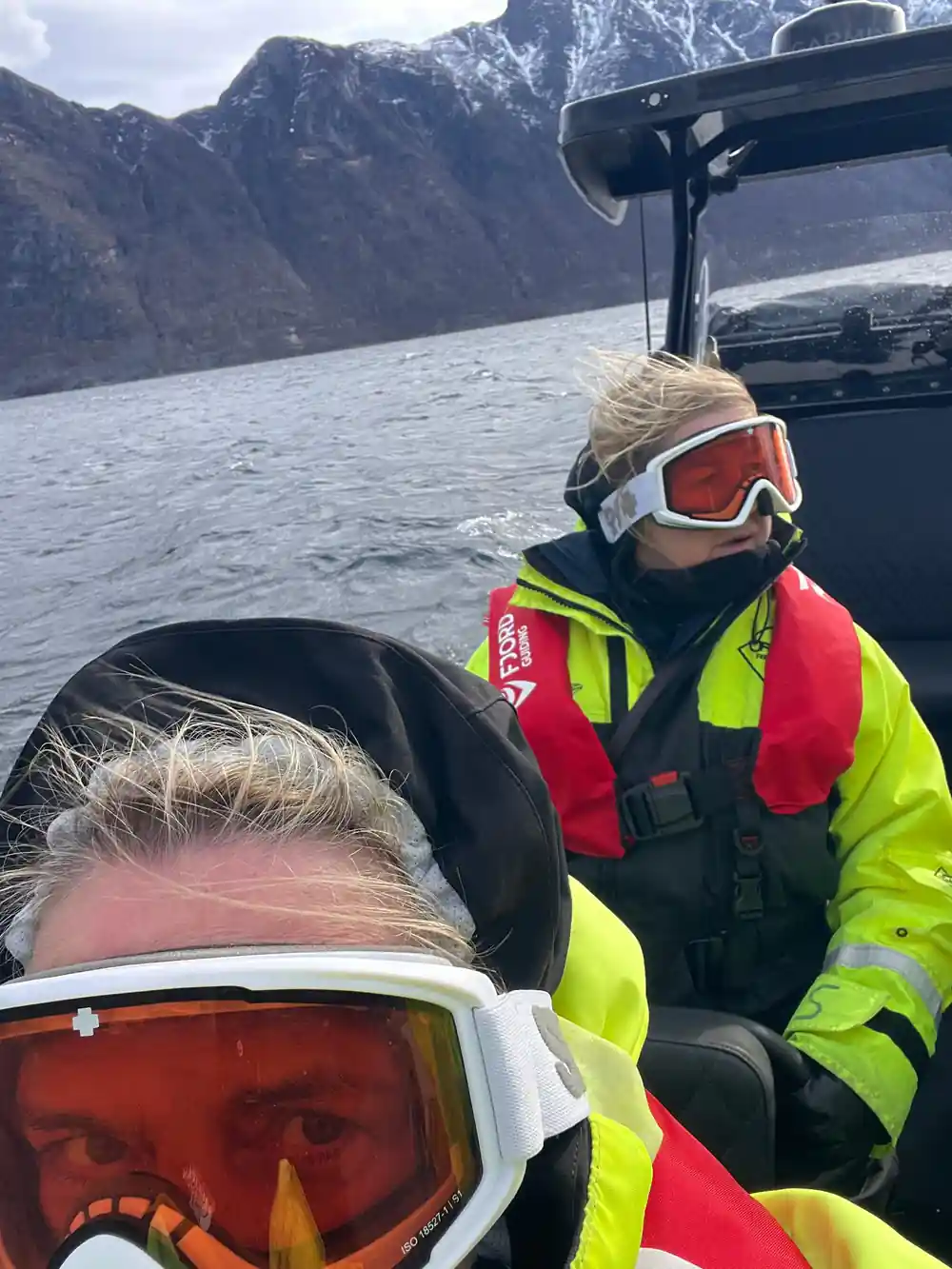
- Loose scarves, wide hats, heavy rucksacks and anything you cannot get wet. Tie long hair back before you step on board.
- Ålesund has an oceanic climate with cold, rainy winters and cool summers,[1] so pack for damp air even on a bright morning.
- Top choice RIB to Hjørundfjord from US$157 Duration105 minutes[2]Rating4.88 from 150 reviews[2]RouteHjørundfjorden[2]GuideEnglish[2]CancellationUp to 24 hours in advance[2] Check availability
- Uteguiden RIB safari from US$158 Duration2 hours[3]Rating4.93 from 13 reviews[3]RouteHjørundfjordGuideEnglish[3]CancellationUp to 24 hours in advance[3] See this tour
- Geirangerfjord RIB from US$104 Duration1 hour[4]Rating4.94 from 238 reviews[4]RouteHellesylt, Seven Sisters Waterfall, GeirangerfjordGuideEnglish[4]CancellationUp to 24 hours in advance[4] See this tour
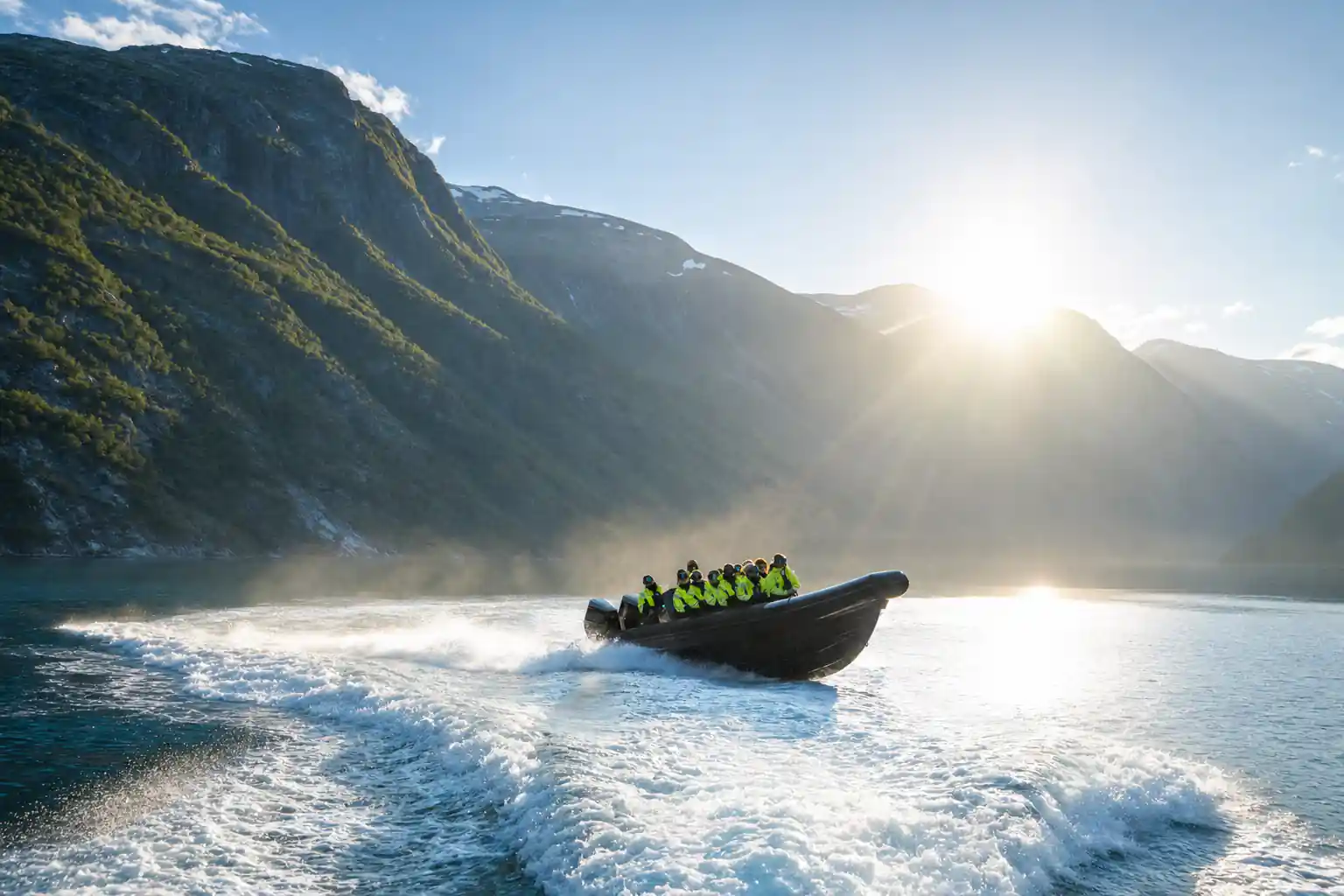
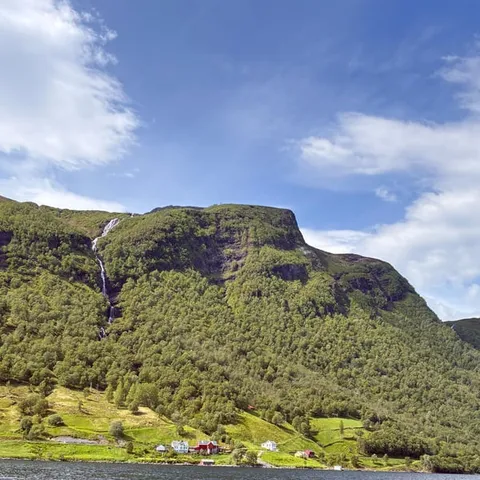
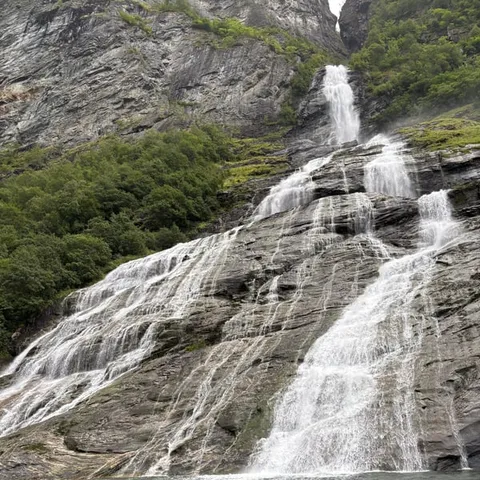
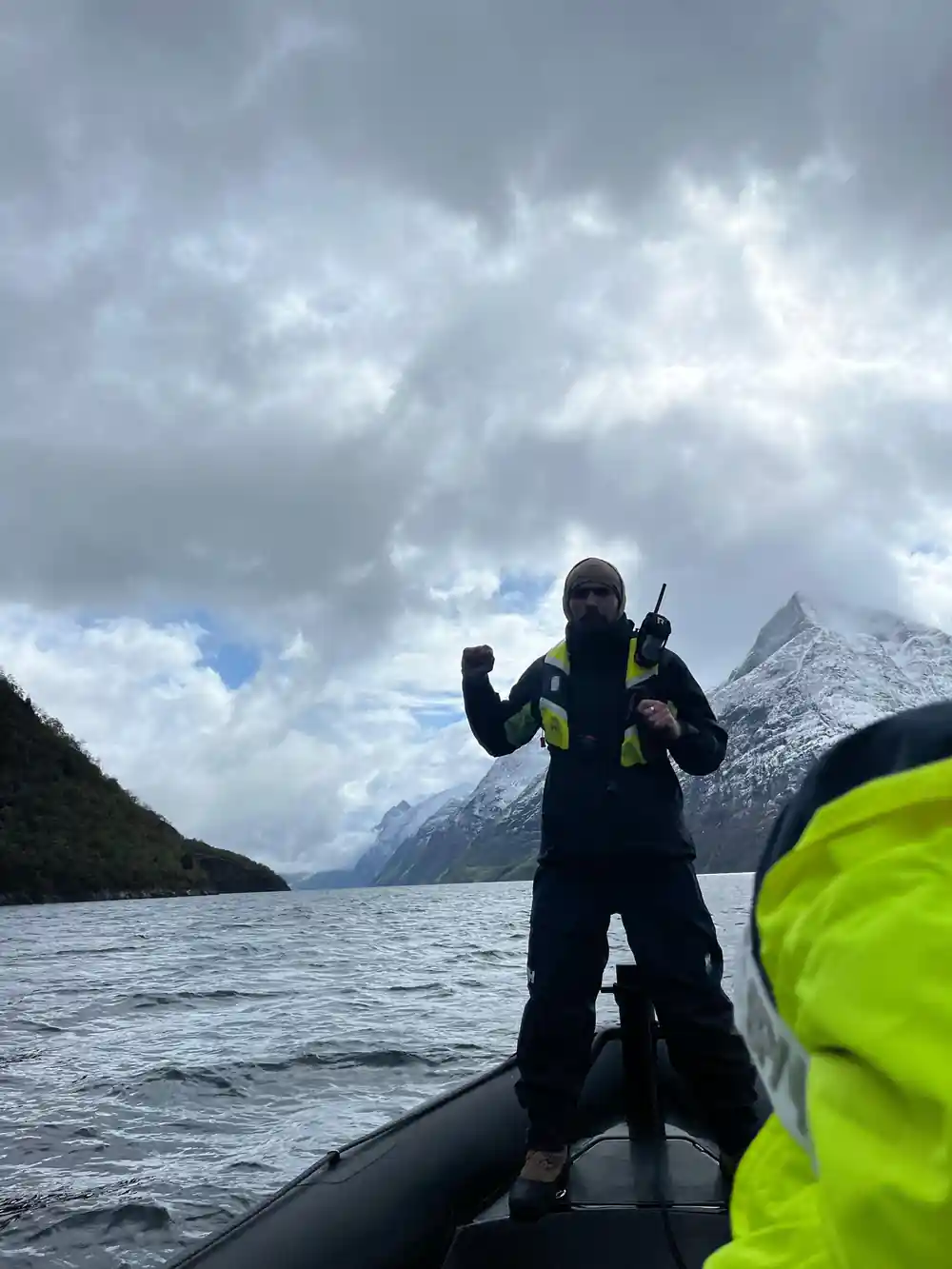
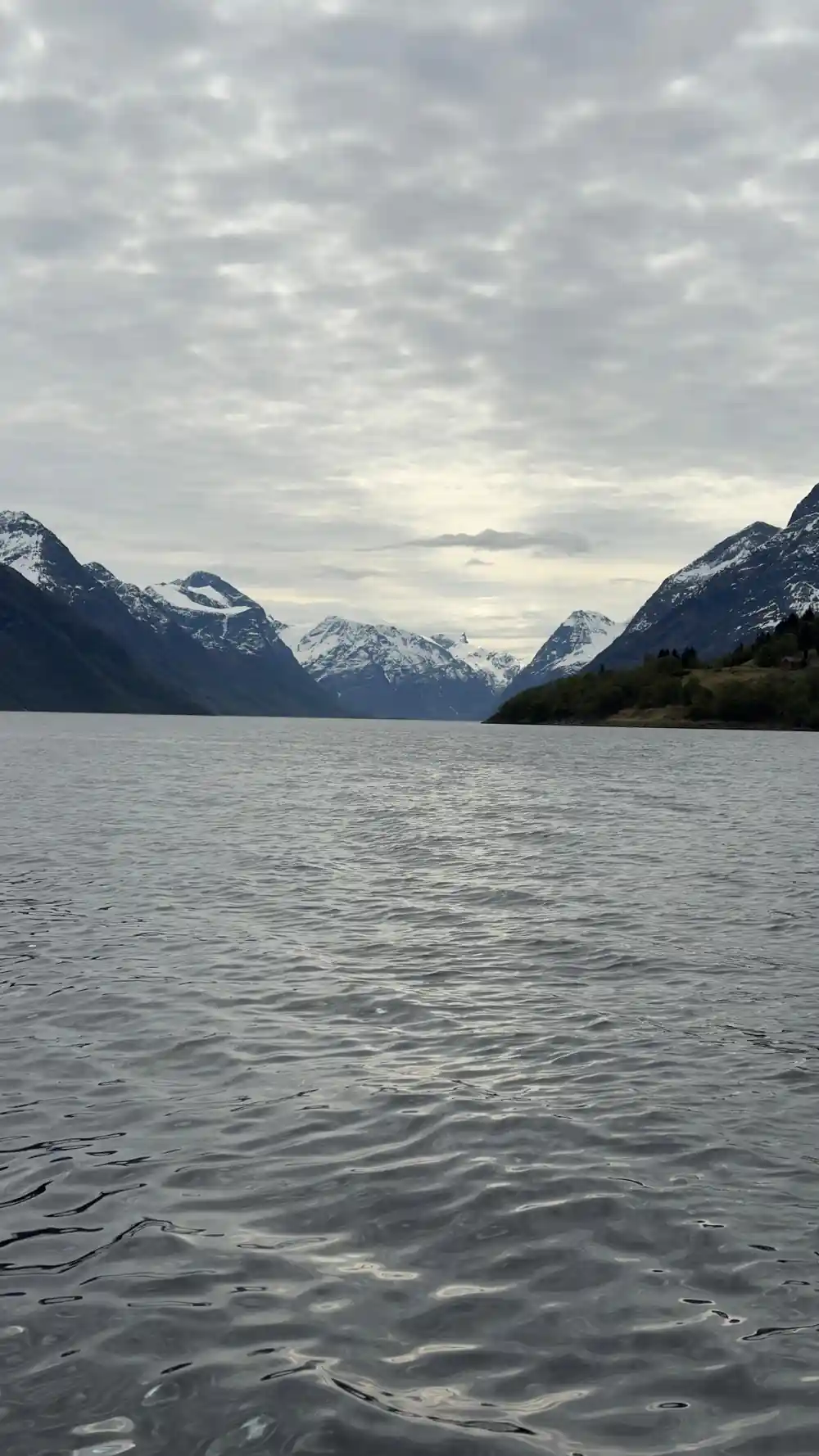
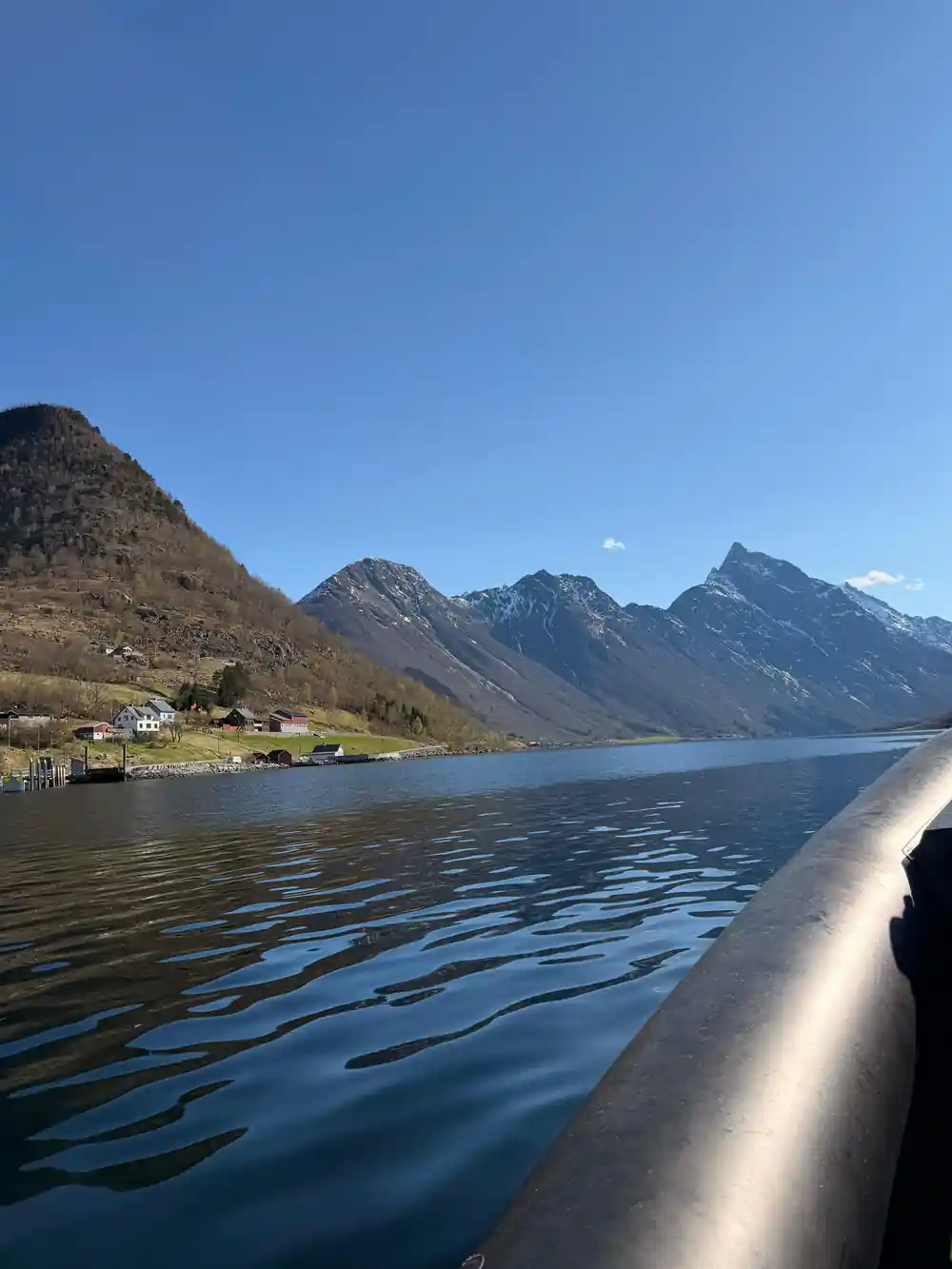
As an arm of the enormous Storfjord, the Hjørundfjord stretches for 35km beneath the jagged mountain peaks of the Sunnmøre Alps .
Pack light and let the fjord do the work
What to wear on board
- Thin merino or synthetic base layers, top and leggings
- Trainers with grip, plus a spare pair of socks
- Thin gloves and a neck tube for wind chill at speed
- Sunglasses with a strap and a small sun cream
What to pack in your bag
- Booking confirmation and photo ID in a zipped pocket
- A roll-top dry bag for phone, camera and keys
- A card for food and drink before or after the ride
- Free cancellation up to 24 hours in advance if plans change[2]
What the fjord air feels like on an open boat
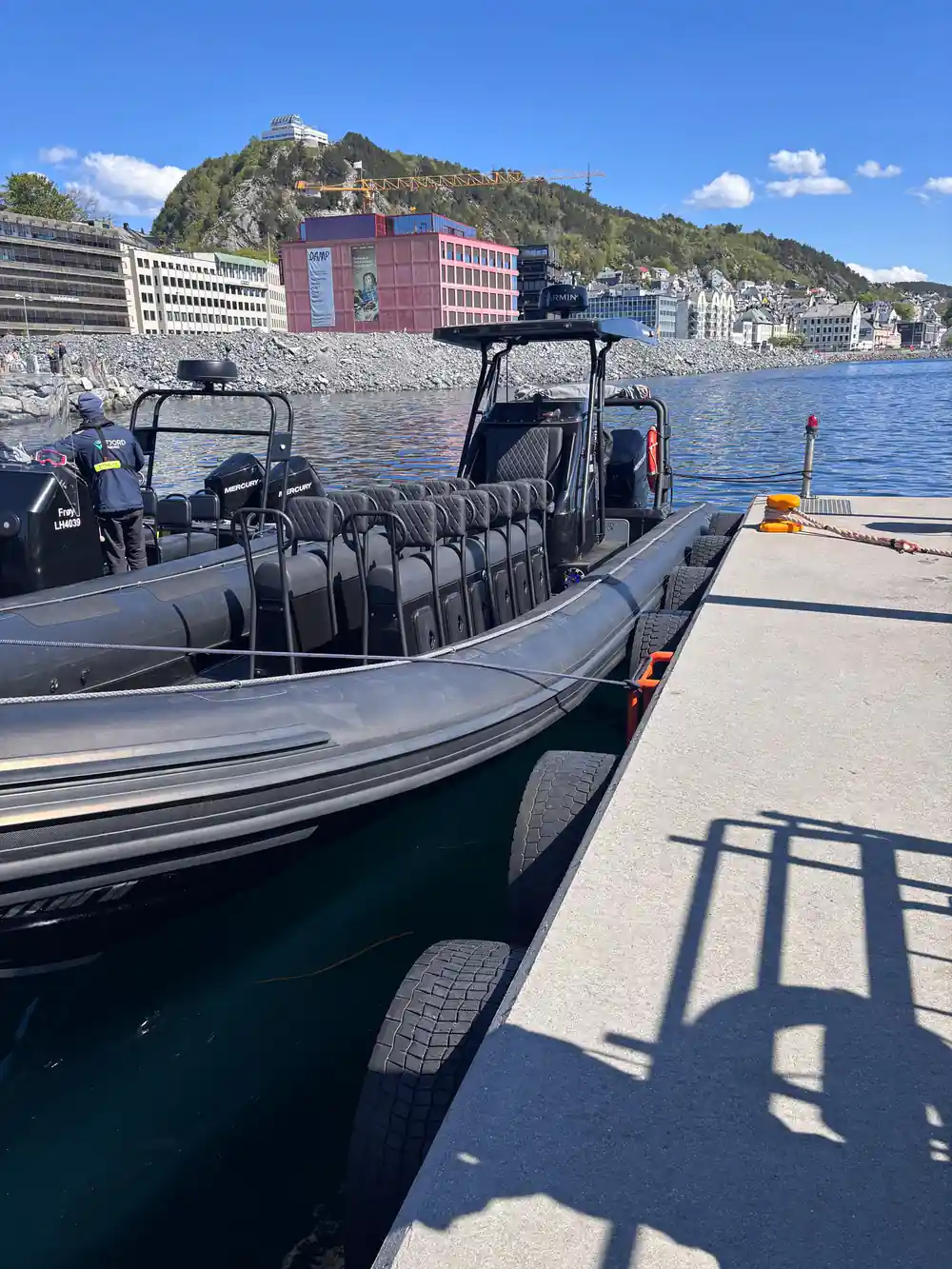
A RIB sits low in the water and moves quickly, so you notice the air far more than you would on a ferry deck. Spray arrives in short bursts, the wind is steady once the boat picks up speed, and the water keeps its own cooler temperature. Ålesund has an oceanic climate with cold, rainy winters and cool summers,[1] and a bright morning in town can feel very different from the air out on the fjord.
The ride itself is not long. The RIB Ålesund - Fjordsafari Hjørundfjord runs for 105 minutes and stops in Hjørundfjorden.[2] That is long enough to feel cold if you are underdressed and short enough that you do not need expedition kit. A waterproof top layer, warm hands and dry feet cover almost everything.
The scenery is worth dressing for. The Hjørundfjord stretches for 35km,[5] and harbour porpoises are the fjord's most common cetaceans, appearing singly or in small groups as they hunt fish near the surface.[6] Keeping your glasses clear and your hands free means you can actually watch for them instead of squinting into the wind.
Base layers that sit under an outer suit
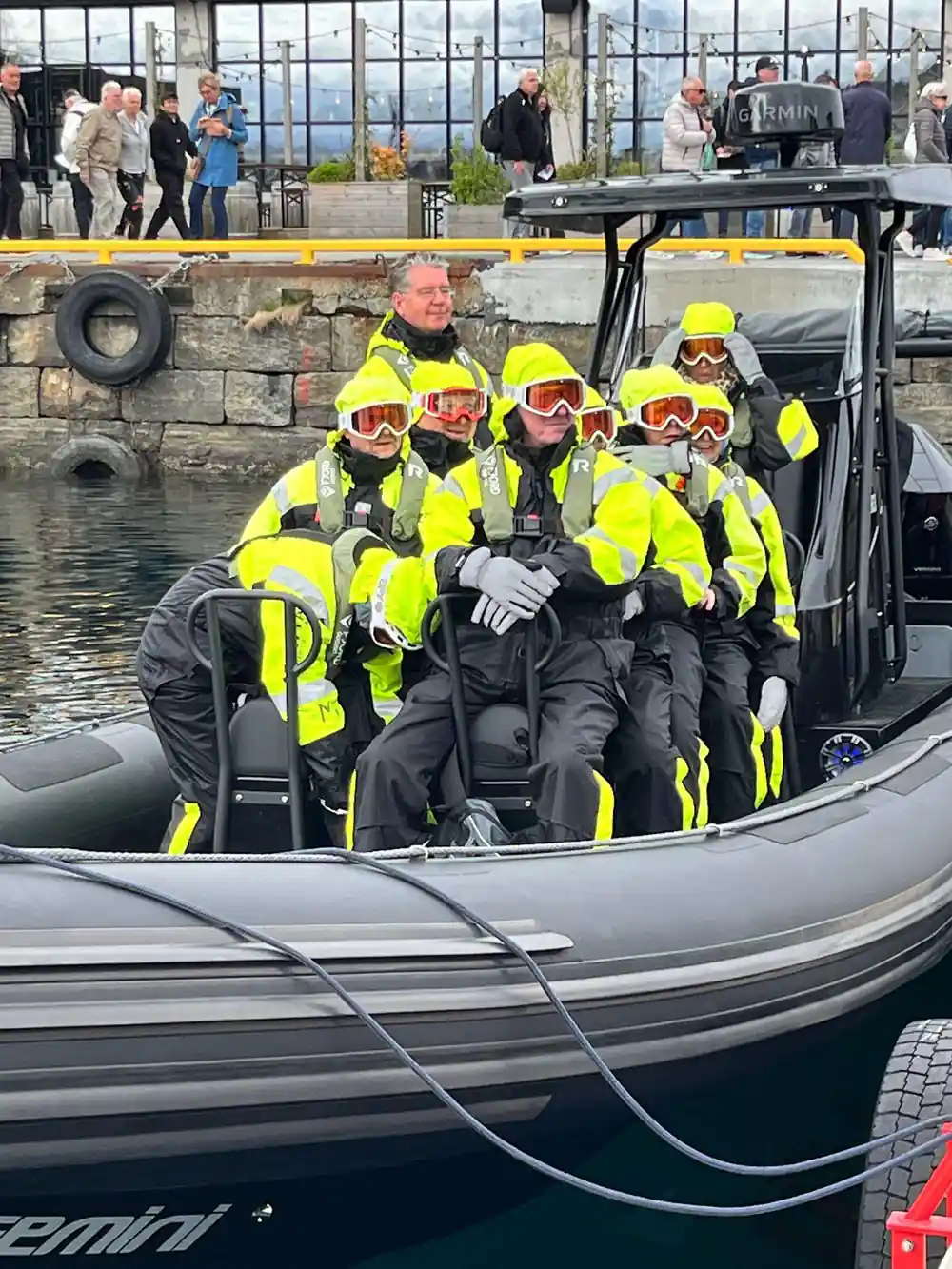
Dress for the layers nobody sees. A thin merino or synthetic top and leggings trap warmth without bulk and dry quickly once you are back on land. Cotton is the one to avoid: it holds water, and a damp cotton shirt under a windproof outer layer is a fast route to shivering through the second half of the trip.
Bulky outer gear works best over thin layers rather than a chunky jumper, which bunches at the shoulders and makes it harder to turn and look at the cliffs. Two thin layers beat one thick one, and you can take a layer off at the dock if the day is warmer than you expected.
Pack a spare top and spare socks in a small bag and leave them in the car or at your accommodation. Changing into something dry after the ride is the easiest way to enjoy the rest of the day, whether you are driving on towards Øye or wandering around Ålesund.
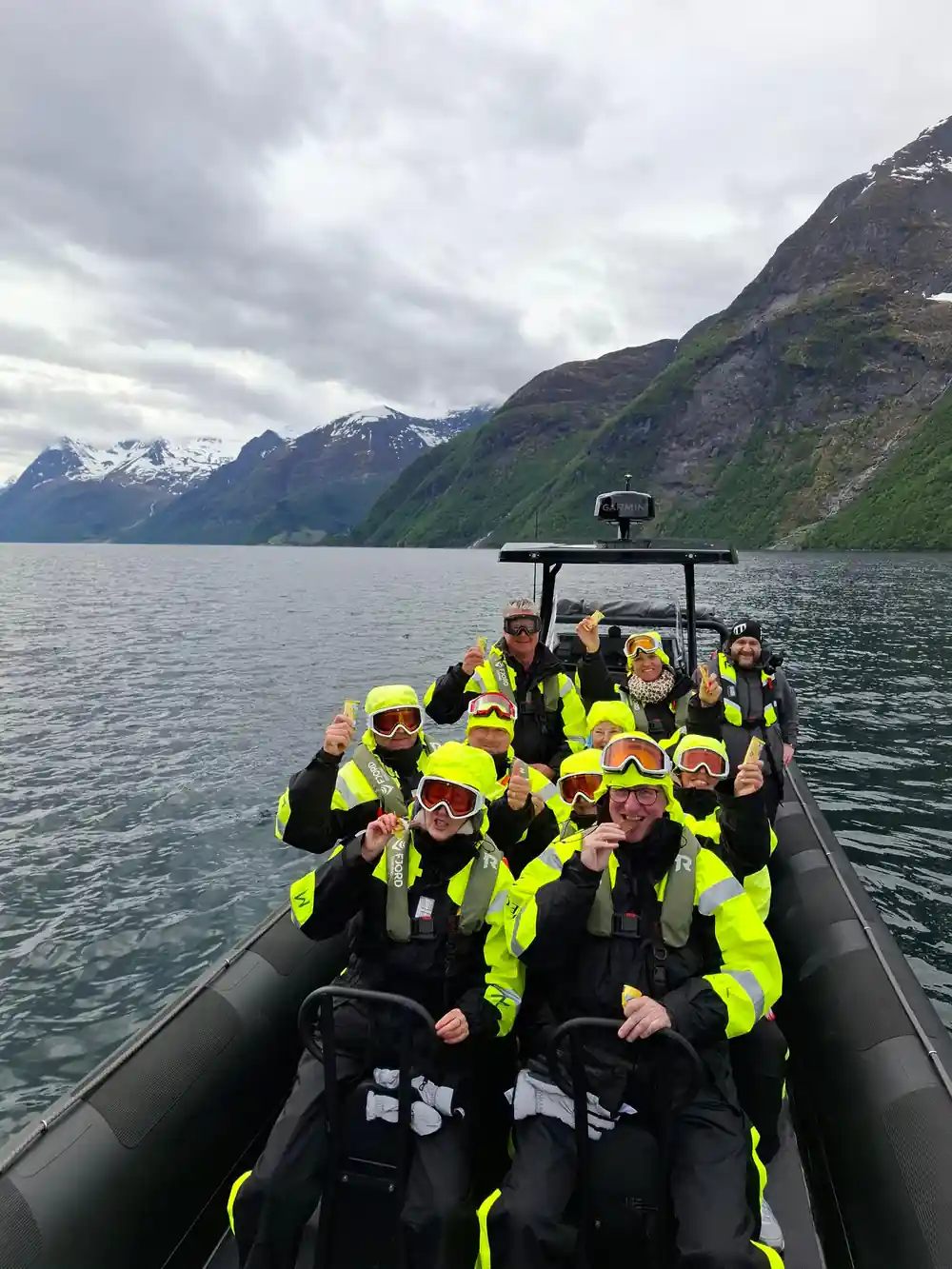
Spray, wind and a low, fast hull: the reason a dry bag and thin layers earn their place.
Footwear that stays planted on a wet deck
Decks get slippery when spray lands on them. Trainers with a deep tread or light hiking shoes are the sensible choice. Sandals, flip-flops and smooth-soled fashion shoes have nothing to grip with, and a wet deck gives you very little warning before a foot slides.
You will step down into the boat at the start and climb out at the end, often from a floating pontoon or a low quay that moves under your weight. Flat, closed shoes let you feel the surface and keep your hands free for the rail.
Wool or technical socks stay warm even when they are damp. Carry a spare pair in a dry bag, and if you are driving, leave a dry pair of shoes in the boot. Waterproof over-trousers are worth having on a showery day, since sitting with your knees close to the seat in front means any water pooled there finds you quickly.
Gloves and neck protection in every season
Hands and necks lose heat first on a fast, open boat. Thin fleece or windproof gloves take up almost no room and make a noticeable difference when you are holding a rail at speed. A neck tube pulls up over the chin, and a thin hat that fits close to the head stays on where a loose one will not.
This applies in summer too. A calm morning in the harbour can feel almost warm, and a short time later the wind across open water is cold enough to make bare hands ache. Gloves and a neck tube are the two items most people leave behind and most wish they had brought.
The mountains around you give the fjord its scale. Slogen is a 1,564-meter mountain rising in the Sunnmøre Alps, with a spectacular pyramid shape that plunges directly into Norangsfjord, an arm of Hjørundfjord.[7] Looking up at rock faces that steep is part of the pleasure of the trip.
from US$157
The RIB Ålesund - Fjordsafari Hjørundfjord runs for 105 minutes, stops in Hjørundfjorden, and offers free cancellation up to 24 hours ahead.[2]
Eyewear and visibility at high speed
Salt spray dries on glass and plastic and leaves a film that is hard to wipe off with a wet glove. Wraparound sunglasses with a strap are the easiest answer: they keep the wind out of your eyes and stay on when you turn your head to follow a bird or a waterfall.
If you wear contact lenses, some people find them uncomfortable after a while in wind and spray, so bring lubricating drops or pack glasses as a backup. A microfibre cloth in a zipped pocket is far more useful than a paper tissue, which shreds the moment it touches a wet lens.
Visibility matters more than style here. You want to see the farms on the slopes, the waterfalls coming down the rock and the water ahead of the boat. A close-fitting pair of sunglasses with a strap, plus a spare cloth, does that job better than anything expensive.
Protecting cameras and phones from salt spray
Open boats and electronics are a poor combination, and the risk is not only a soaking. Fine salt sits on the surface and corrodes contacts over time. A roll-top dry bag or a waterproof pouch with a lanyard lets you take pictures without gambling with your phone.
Check the seal before you leave the harbour, and clip the bag to yourself rather than leaving it loose on the seat where it can slide or be kicked. If you carry a larger camera, a padded dry bag protects it better than a rucksack, which will hold water in its base.
A small cloth, a zip bag for a spare battery or memory card and a wrist strap cover most situations. Back on land, rinse any waterproof housing with fresh water and let it dry before you open it, so salt does not get pushed inside.
Bags, hair and what to leave ashore
Space on board is limited, so travel light. Anything loose will be caught by the wind the moment the boat accelerates: a scarf, a wide-brimmed hat, an open tote bag. Hair is best tied back or braided, and a buff or a tight hat keeps stray strands out of your eyes and out of your mouth.
Leave suitcases, shopping and anything you cannot get wet in the car or at your accommodation. Take only a small dry bag with the essentials: phone, keys, a card, a spare layer. If you are joining a boat from a small harbour, ask about luggage when you book rather than at the dock.
The fjord villages reward a slower afternoon. Trandal, Sæbø and Urke are stops on the summer express boat service from Ålesund to Øye,[8] and there are ferry crossings between Ytre Standal, Trandal, Sæbø, Skår and Leknes.[8] Hotel Union Øye is a hotel established in 1891 that gained fame among European aristocracy and luminaries seeking nature without sacrificing luxury and comfort,[9] and in Norangsdal, Lygnstøylvatnet was formed by a rock fall from Keipen in 1908, with remains of the old road, farmhouse foundations and gateway still visible beneath the water.[10]
From-prices of fjord tours compared
Every bar is a from-price stated in a GetYourGuide listing:[2],[3],[11],[4].
What a fjord trip costs, from-prices in US dollars
US dollar from-prices from GetYourGuide listings, cited by id:[2],[3],[11],[4]. No child rates are given in these listings.
When to book and what to check
Getting ready for the ride
Start with thin layers
A synthetic or merino top and leggings next to the skin. Skip cotton, which stays wet and cold once spray gets in.
Add wind and hand cover
A light waterproof shell, thin gloves and a neck tube. These are the parts that feel the cold most on an open boat.
Choose grippy shoes
Trainers with a deep tread and warm socks, plus a spare pair in a dry bag for the trip home.
Seal your electronics
Phone, camera and keys go in a roll-top dry bag or a sealed pouch, clipped to you rather than loose on the seat.
Leave the extras ashore
Loose scarves, wide hats and heavy rucksacks stay behind. Tie long hair back before you step aboard.
Ready for the Hjørundfjord with the right layers on?
from US$157Reserve now & pay later