At a glance
- The RIB Ålesund - Fjordsafari Hjørundfjord is listed at 105 minutes, with a stop at Hjørundfjorden.[1]
- From US$157, with reserve now and pay later offered on the listing.[1]
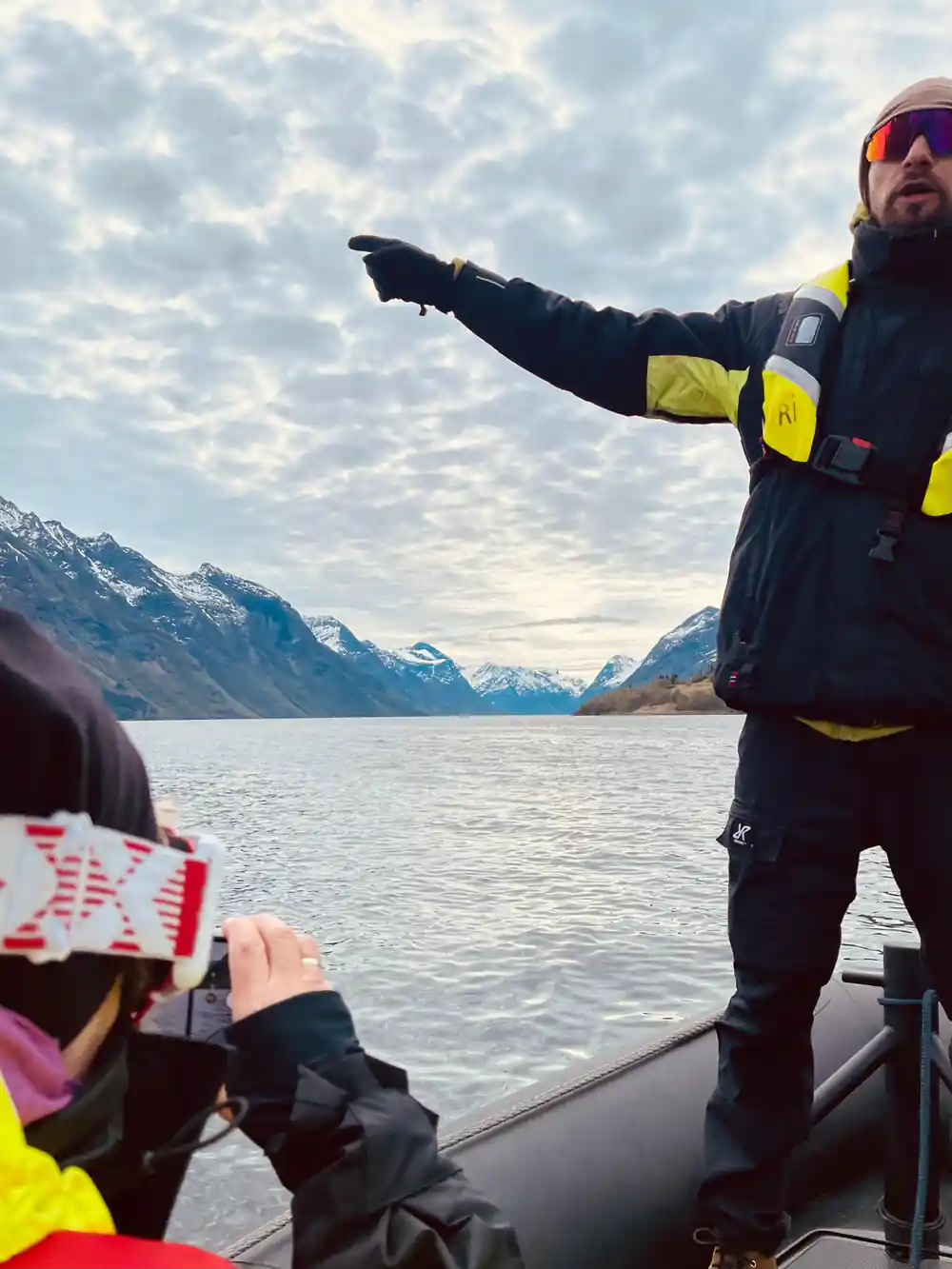
- A live tour guide leads the trip and briefs everyone in English before you set off.[1]
- Free cancellation up to 24 hours in advance for a full refund, and you can reserve now and pay later.[1]
- Rated 4.88 from 150 reviews on GetYourGuide.[1]
- Top choice RIB Ålesund Hjørundfjord from US$157 Duration105 minutes[1]GuideLive tour guide: English[1]Ratingrated 4.88 from 150 reviews[1]CancellationCancel up to 24 hours in advance[1] Check availability
- Hjørundfjord Fjord Cruise from US$115 Duration5 hours[2]GuideLive tour guide: English[2]Ratingrated 4.58 from 282 reviews[2]CancellationCancel up to 24 hours in advance[2] See this tour
- Fjordsafari with RIB from US$158 Duration2 hours[3]GuideLive tour guide: English[3]Ratingrated 4.93 from 13 reviews[3]CancellationCancel up to 24 hours in advance[3] See this tour
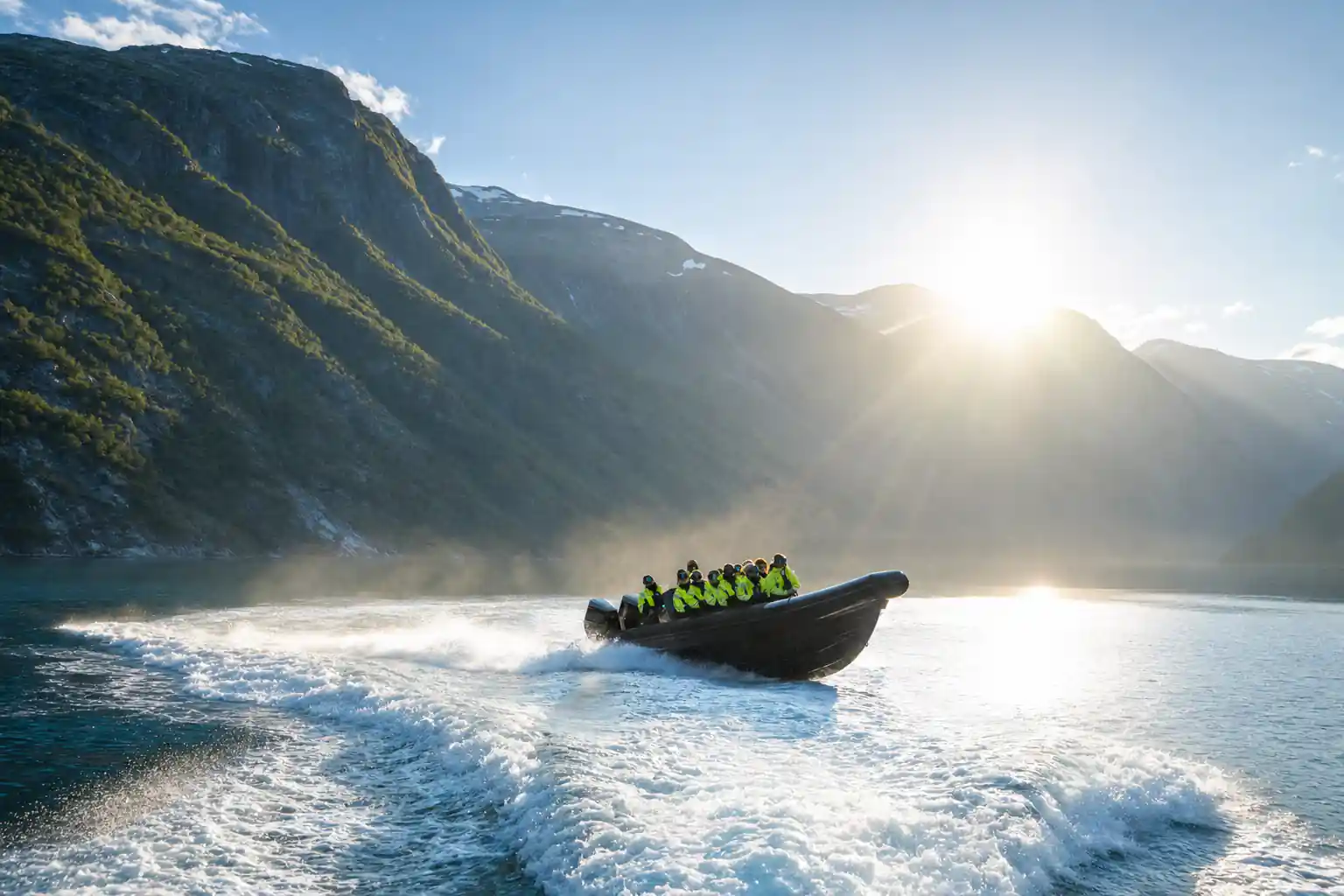

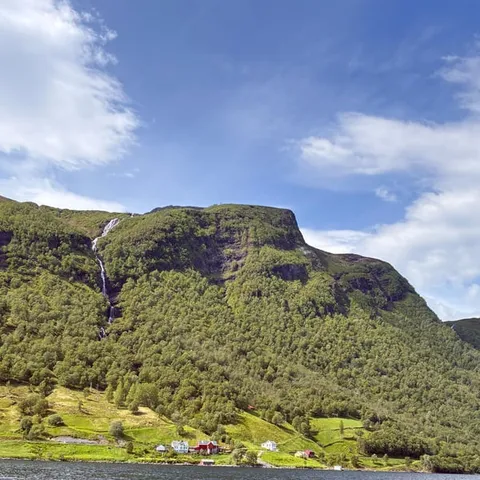
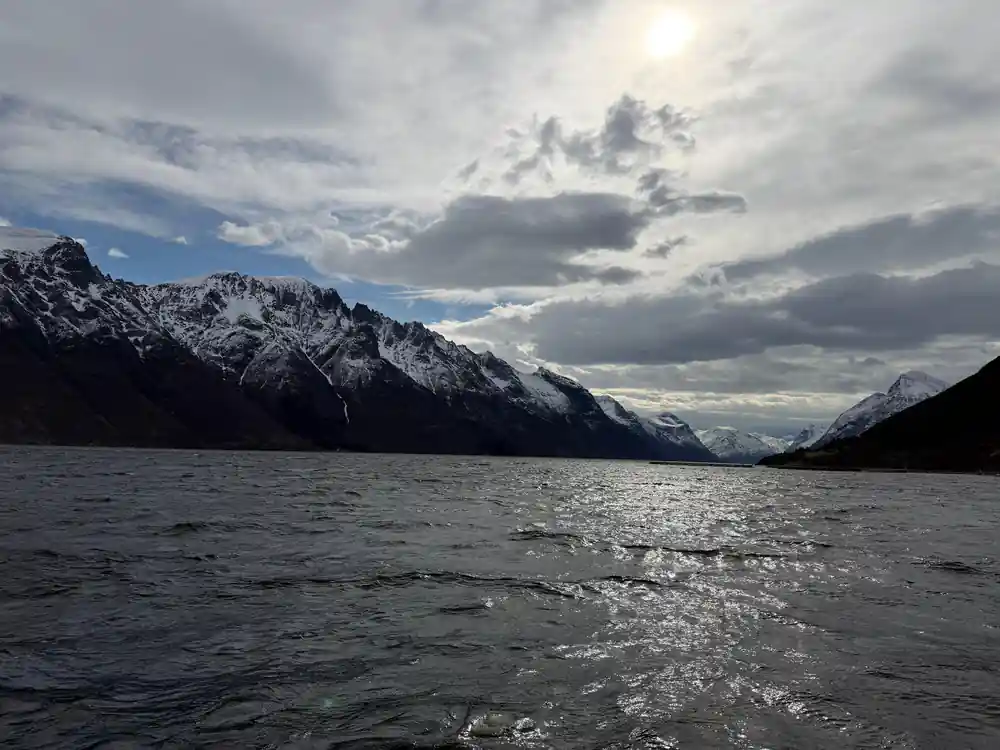
As an arm of the enormous Storfjord, the Hjørundfjord stretches for 35km beneath the jagged mountain peaks of the Sunnmøre Alps .
Is this RIB trip right for you?
Worth knowing first
On the day
- Listen to the safety briefing and ask the crew to repeat anything you miss.
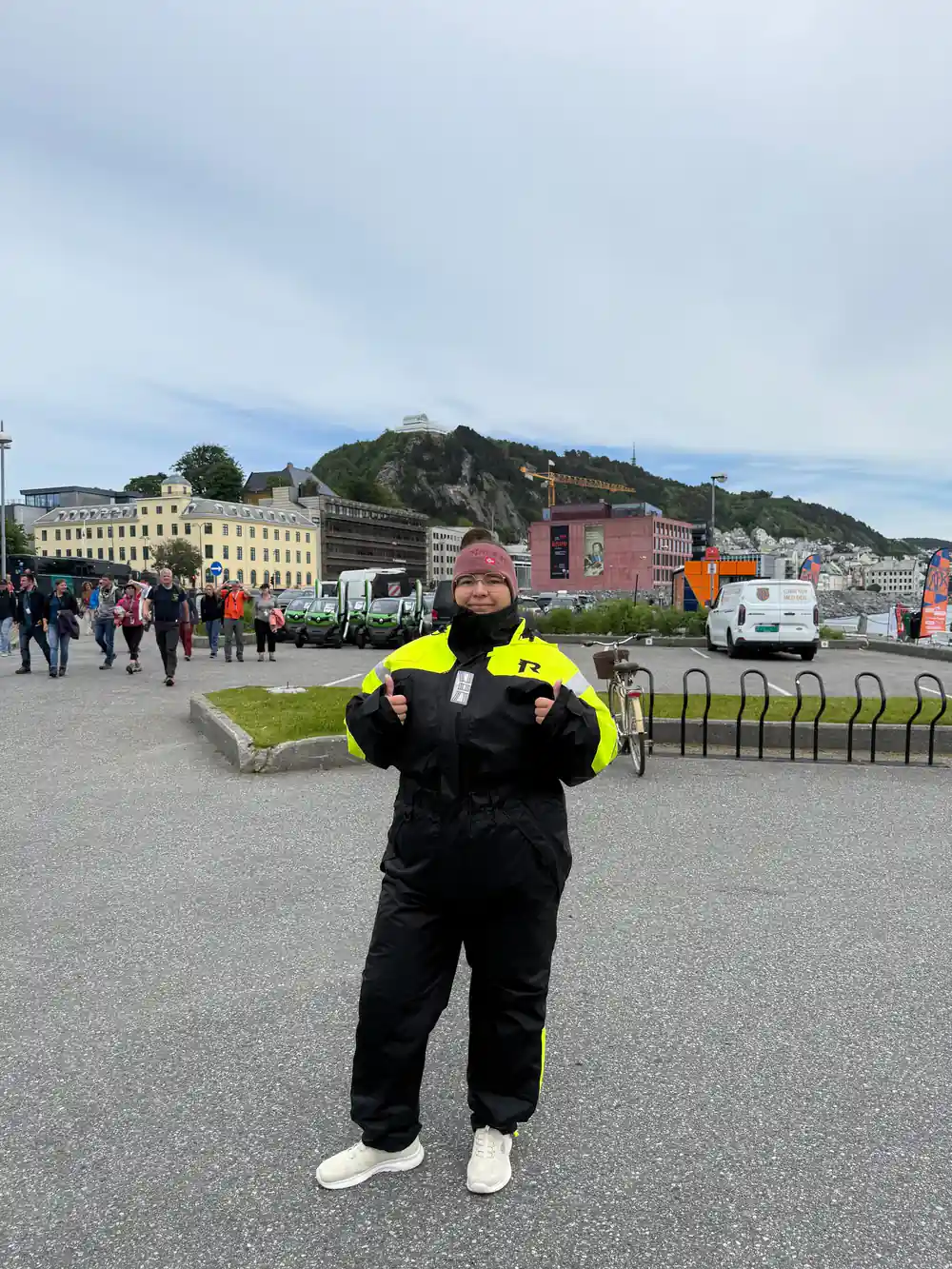
- Wear layers and a waterproof shell; spray and wind are part of the ride.
- Ålesund has cold, rainy winters and cool summers, so pack for both.[4]
- Tell the operator about mobility needs, pregnancy or back and neck problems before you book.
What the RIB ride is like in practice
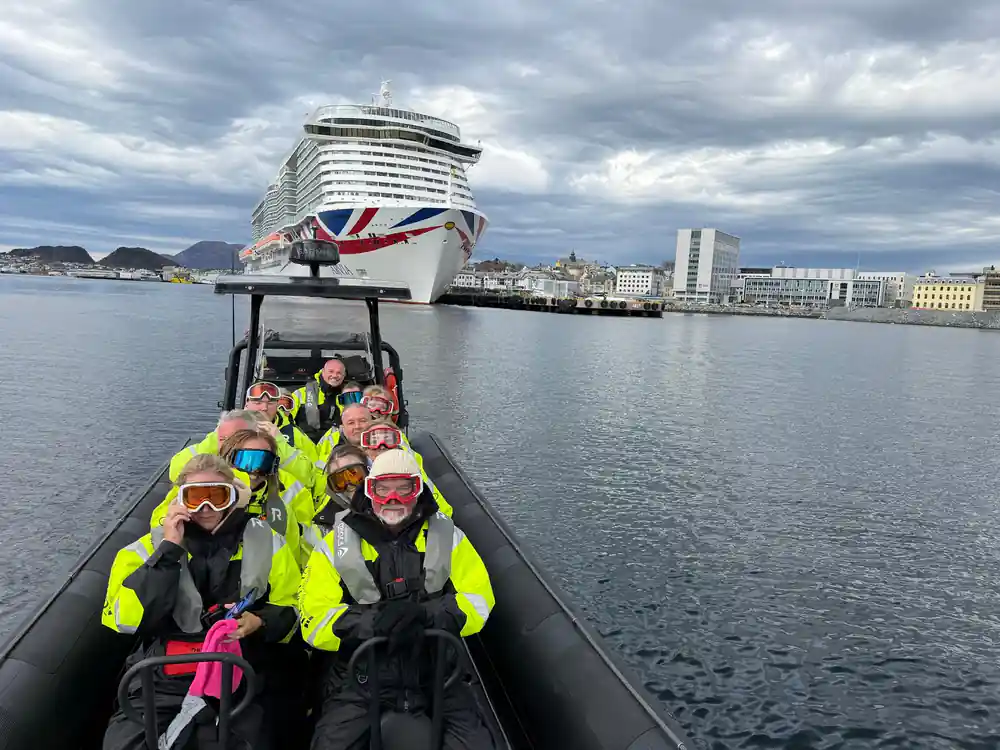
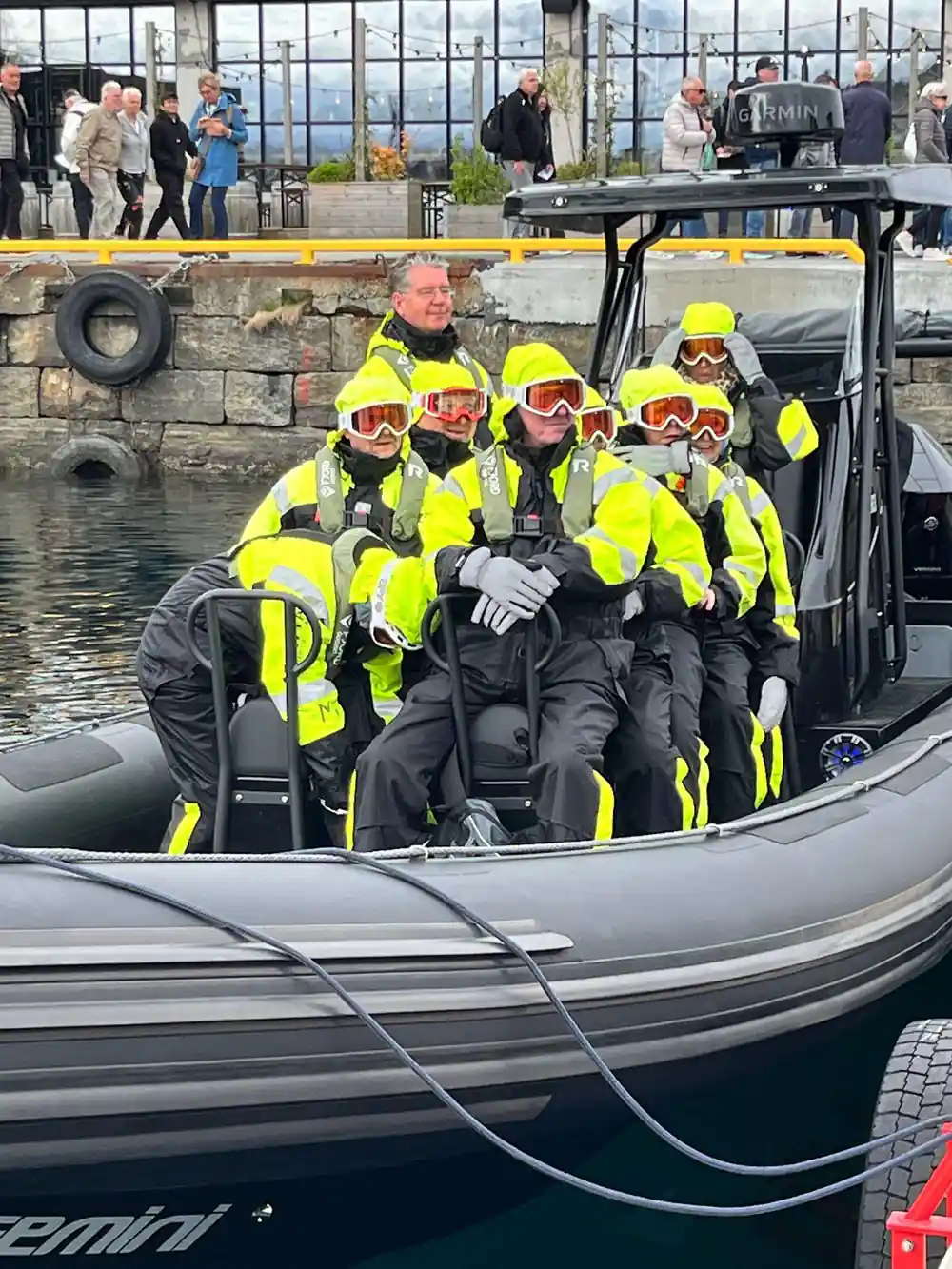
A fjordsafari RIB is an open, low-slung boat built for speed, and everyone sits astride a saddle seat with a handle or strap to hold. Before you leave the dock the crew fits you out and runs through what will happen on the water, so ask them what you will be wearing and how the safety gear works if anything is unclear. The ride is fast and physical: the boat lifts and lands on the water, spray comes over the side, wind hits your face, and the mountains stand close on both sides. The trip is listed at 105 minutes, with a stop at Hjørundfjorden.[1]
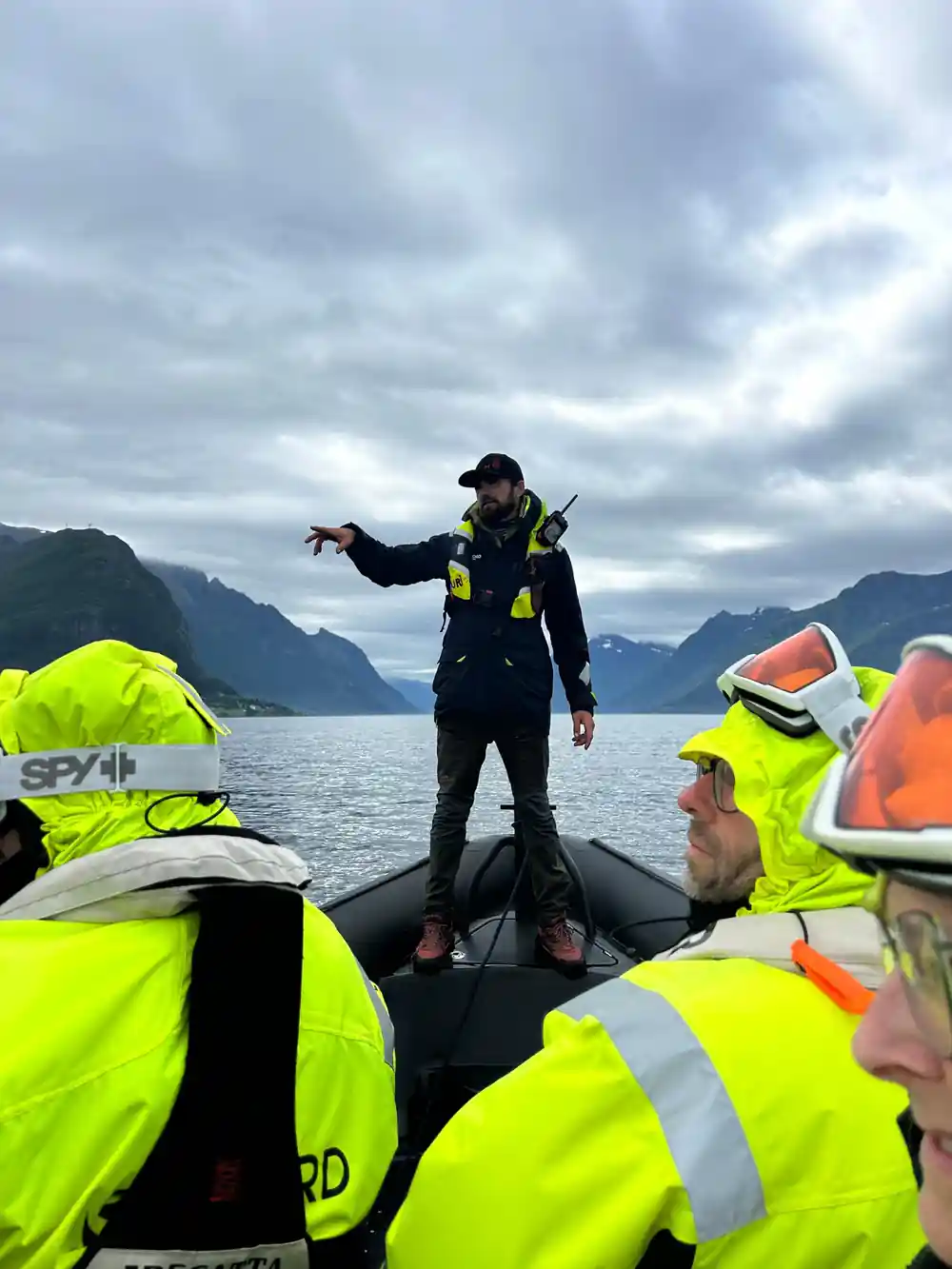
The Hjørundfjord stretches for 35km beneath the peaks of the Sunnmøre Alps.[5] Look for Slogen, which rises 1,564 meters above sea level and has a spectacular pyramid shape that plunges straight into Norangsfjord, an arm of the Hjørundfjord.[6] Keep an eye on the water too: harbour porpoises are the fjord's most common cetaceans, appearing singly or in small groups as they hunt fish near the surface.[7] A live tour guide leads the trip in English, so ask questions during the slower stretches.[1] Gloves and a thin hat make a surprising difference out on the water.
Age limits and children on the RIB
Whether your child can join is a question for the operator rather than for a general rule of thumb. A RIB seat is open and astride, the boat moves quickly, and spray and engine noise are part of the experience. Children who are comfortable on fast boats, able to hold on and happy to follow instructions usually take to it, while children who dislike noise, speed or cold water will not enjoy being stuck on board. Message the operator with the ages of everyone in your group before you pay, and they can tell you what they accept.
Once you are booked, a few habits make family trips easier. Sit where the crew puts you rather than moving around once the boat is under way, keep the smallest riders in the middle where the motion is gentler, and check that your children understand the guide's instructions before you leave the dock. Take a waterproof layer and a hat each, keep phones and cameras in a zipped pocket, and plan a quiet hour afterwards. The ride runs 105 minutes, so a light snack beforehand works better than a big meal.[1]
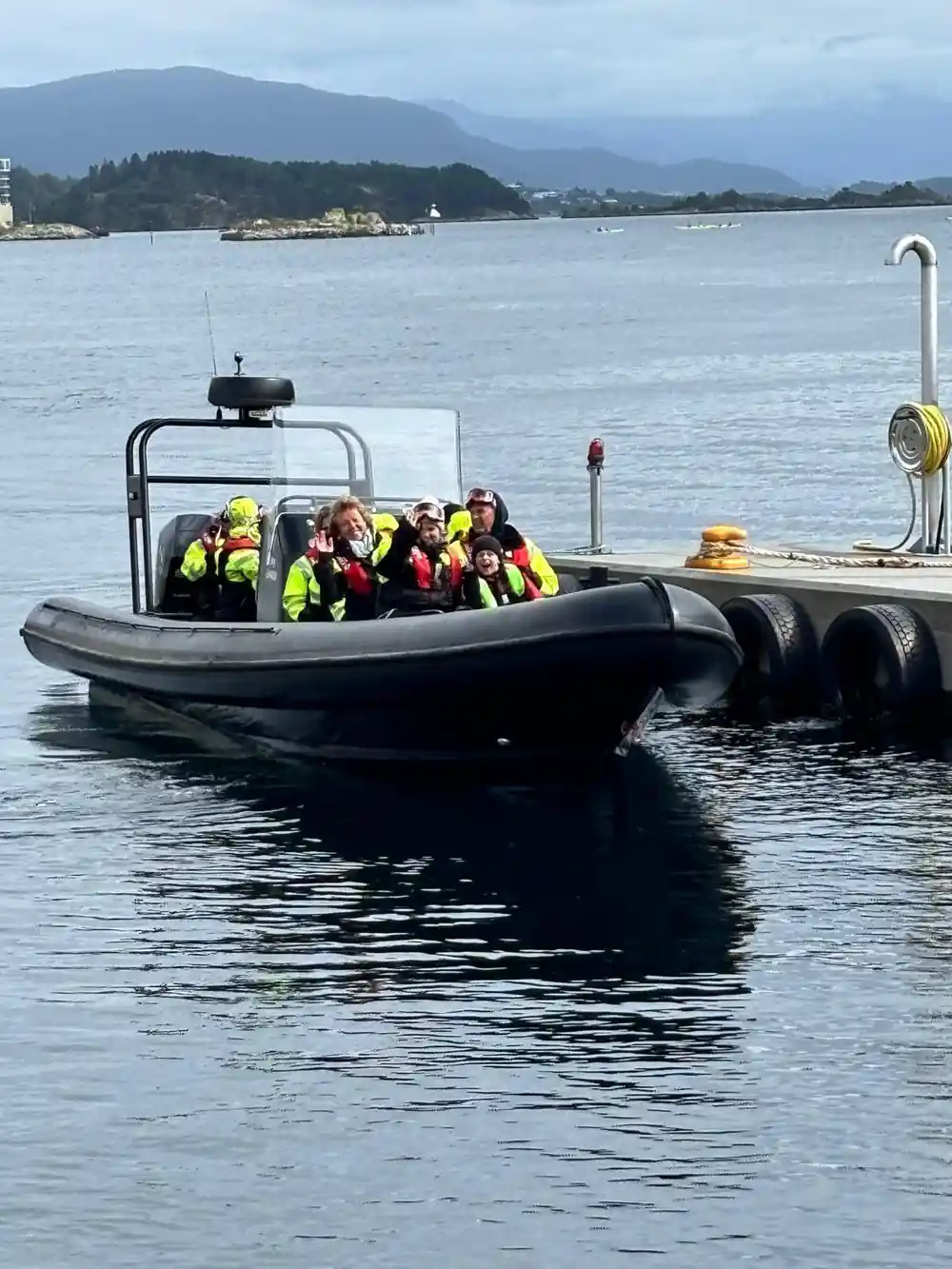
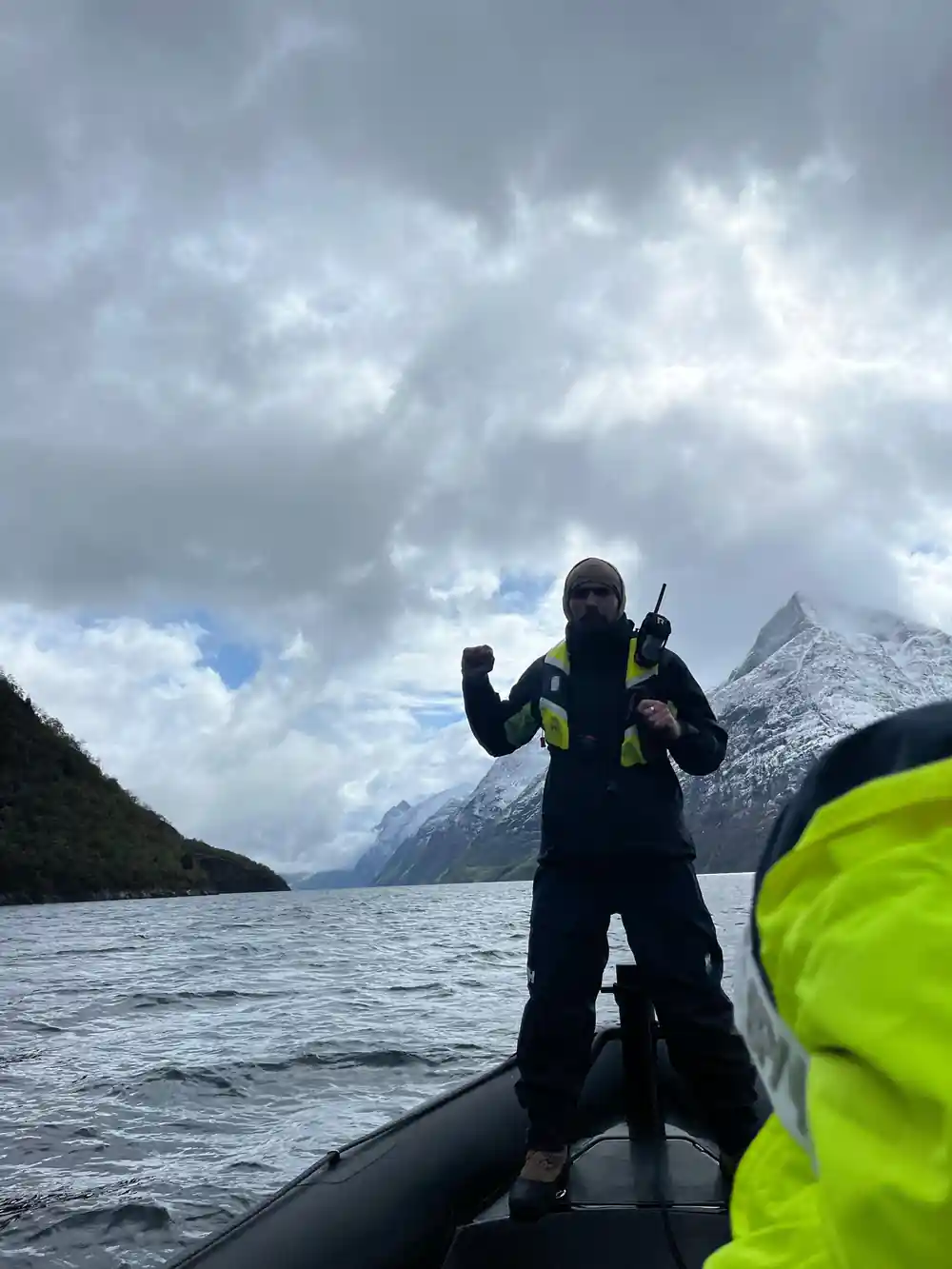
A RIB throws a white wake across the Hjørundfjord, with the Sunnmøre Alps on both sides.
Back and neck conditions on a fast boat
A RIB does not glide, it slaps. Every wave sends a jolt through the hull and up through the seats, and that is exactly the load a sensitive back or neck notices most. A recent injury or surgery, a slipped disc, osteoporosis, a long-running neck problem or a history of whiplash are all reasons to talk to a doctor and to the operator before you book rather than after. Nobody on the dock knows your medical history, and once the boat is moving you cannot step off.
If the fast ride is not right for you, the fjord still is. The Hjørundfjord Fjord Cruise roundtrip from Ålesund takes 5 hours, from US$115, and its listed stops include Hjørundfjorden, Trandal, Saebo, Urke and Øye.[2] It is a slower, gentler way to see the same water, with room to stand up and move about. Families sometimes split up, with some taking the RIB and others taking the cruise, and compare photographs later.
Pregnancy and the RIB: what to check first
Pregnancy is worth sorting out well before your trip. A RIB ride is fast and bumpy, the boat lands hard off waves, and there is no way to pause the trip halfway or step ashore once you are out on the fjord. Ask the operator what they can accept, and speak to your own midwife or doctor, who knows your pregnancy and can weigh up the jolts and the motion properly. Do that before you pay, not on the morning of the trip.
There are easy alternatives if the answer is no. In summer an express boat runs from Ålesund to Øye and stops at Trandal, Sæbø and Urke, so you can travel the fjord sitting down.[8] With a car there are ferry crossings between Ytre Standal, Trandal, Sæbø, Skår and Leknes, which turn the journey itself into the sightseeing.[8] Inland, a rock fall from Keipen formed Lygnstøylvatnet in Norangsdal in 1908, and beneath the water you can still see remains of the old road, farmhouse foundations and a gateway.[9] Hotel Union Øye, established in 1891, is a comfortable stop for lunch or a night.[10]
from US$157
The RIB Ålesund - Fjordsafari Hjørundfjord is listed at 105 minutes on the water, with a stop at Hjørundfjorden.[1]
Mobility, wheelchair access and boarding the RIB
Boarding a RIB is not like stepping onto a ferry. You go down into an open boat, take a seat astride a saddle and stay there for the whole ride, and the place you leave from may be a floating pontoon, a ramp or a low quay. If you use a wheelchair, walk with a stick or crutches, have limited grip strength, or tire quickly, ask the operator to describe the boarding step by step before you book, including how far you may have to walk and whether anyone can steady you on the way down.
Two land-based options are listed as wheelchair accessible if the boat will not work for your group. The Alesund: City Sightseeing Hop-On Hop-Off Bus Tour is from US$41.[11] The Alesund: Giske Island Iconic Coastal Landmarks Excursion takes 4 hours and is from US$93.[12] If someone in your party cannot board a RIB, the Hjørundfjord Fjord Cruise roundtrip from Ålesund is the other way out on the water, with a 5 hour run and a long list of stops.[2]
Swimming ability and going overboard
Swimming ability is one of the first things to raise with the crew. Tell them at the dock if you cannot swim, if you are nervous in water, or if you have a condition that a cold plunge would make worse. They can seat you where they can keep an eye on you, and they can explain how the safety gear works and what to do if anything goes wrong. Ask them to repeat anything you do not understand, however obvious it sounds.
If someone ends up in the water, the usual advice is to stay with the boat, keep your head up and let the crew come to you rather than trying to swim for shore. Ask at the briefing how they would reach a person in the water, especially if you are travelling with children, and repeat the key points back in your own words so you know you have them. If you would rather stay dry, the roundtrip fjord cruise keeps you seated for the whole 5 hours.[2]
Safety briefing, seasickness and final checks
Every good RIB trip starts with a briefing on the dock: where to sit, how to hold on, what the hand signals mean, what happens when the skipper opens the throttle, and where the safety equipment is kept. The guide on this trip speaks English, so ask about anything you did not follow rather than nodding along.[1] If you are prone to seasickness, mention it before you set off. The fjord is often sheltered, but a fast open boat can still set off a queasy stomach, so take whatever you normally take and sit where you can see the horizon.
Final checks are simple. Confirm your meeting point and starting time when you book, and note that availability shows the times that are open on your date.[1] Dress in layers: Ålesund has an oceanic climate with cold, rainy winters and cool summers, so a waterproof shell is never wasted.[4] Reserve now and pay later if you like to keep plans loose, and remember that free cancellation runs up to 24 hours in advance for a full refund.[1] Turning up early at the dock beats running for the boat.
Review counts for Hjørundfjord and Geirangerfjord tours
From-prices for fjord trips from Ålesund
From-prices per person in US dollars from the GetYourGuide listings[1][2][13]; each listing quotes one from-price rather than separate adult and child rates.
When to book the Hjørundfjord RIB
How to book and prepare
Ask about who can join
Message the operator about ages, health conditions, pregnancy and mobility needs before you pay, and describe your group honestly.
Check dates and times
Check availability to see starting times, then pick a slot that leaves you time to reach the dock without rushing.[1]
Book with room to change
Free cancellation up to 24 hours in advance for a full refund, plus reserve now and pay later, keep your plans loose.[1]
Dress for spray and wind
Layers, a waterproof shell, gloves and a hat; Ålesund has cold, rainy winters and cool summers.[4]
Listen to the briefing
Follow the crew on where to sit, how to hold on and what the signals mean, and ask about anything you did not catch.
Ready to ride the Hjørundfjord by RIB?
from US$157Reserve now & pay later