At a glance
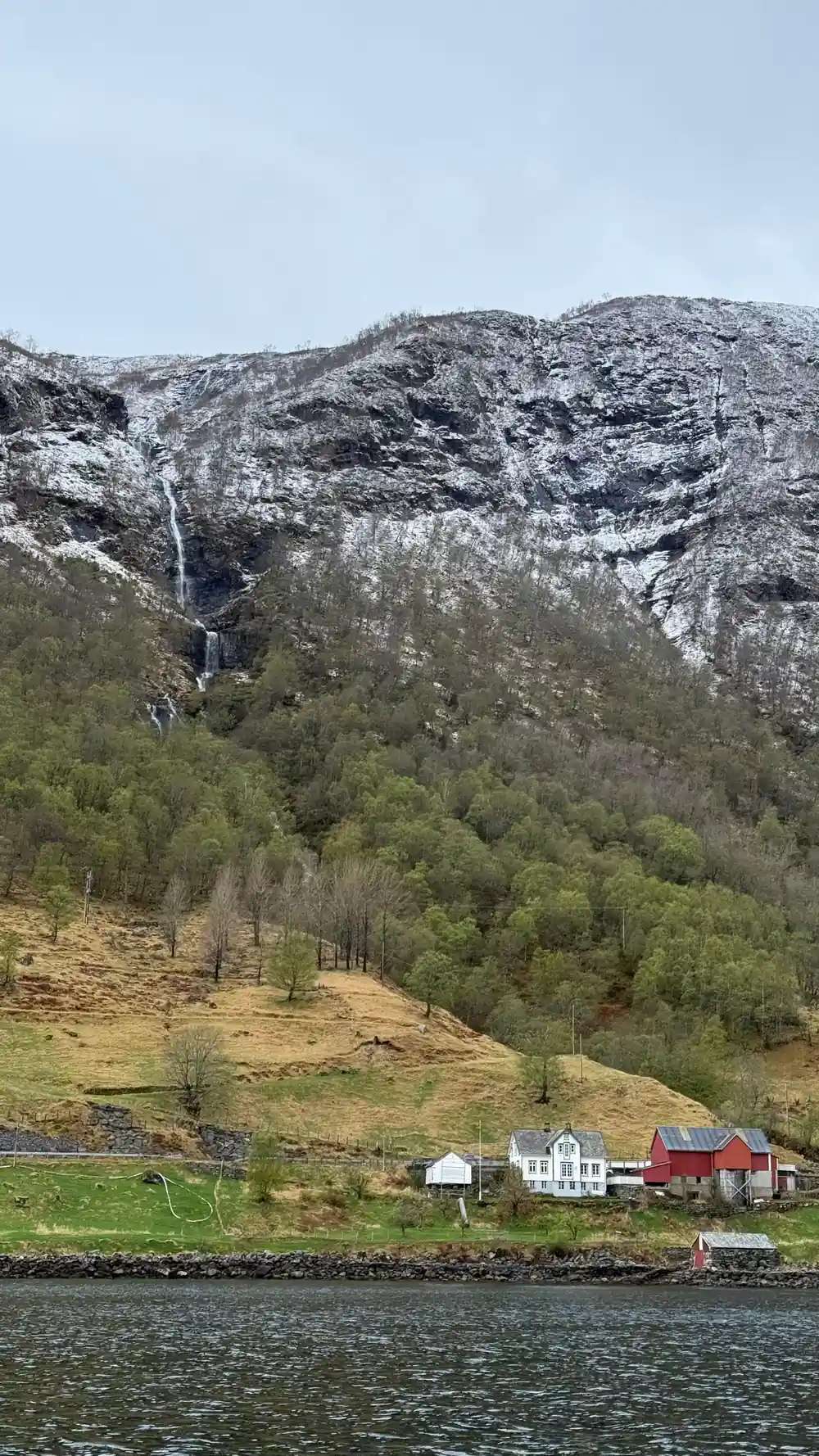
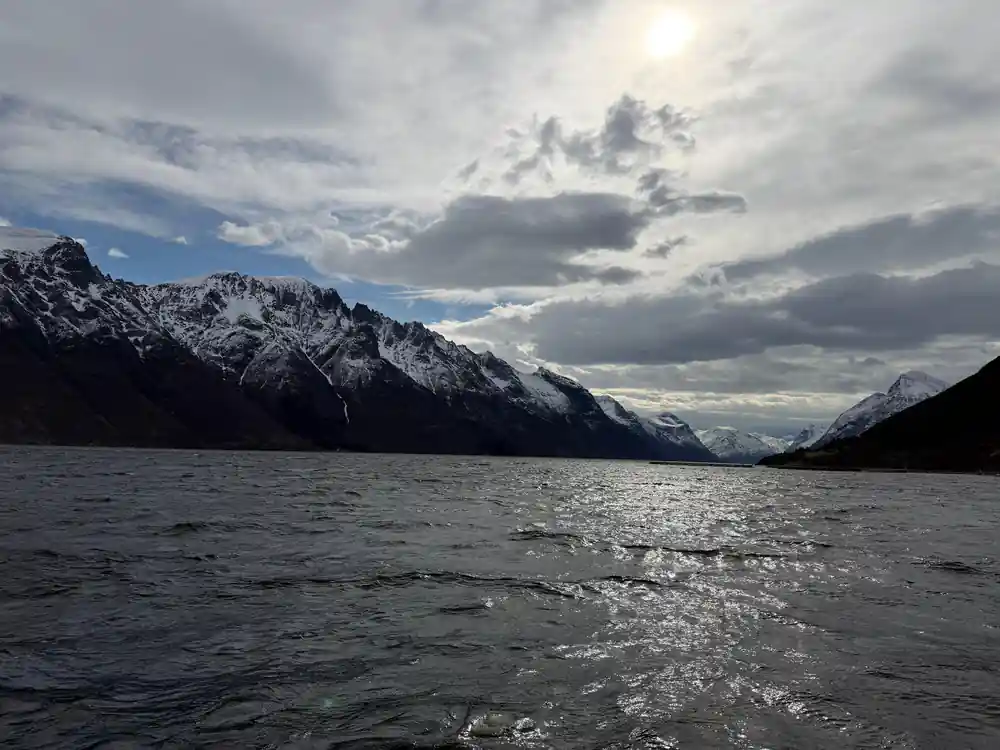
- The Hjørundfjord stretches for 35km beneath high peaks, with side valleys, small villages and deep water close to the shore.[1]
- Harbour porpoises are the fjord's most common cetaceans, appearing singly or in small groups as they hunt fish near the surface.[2]
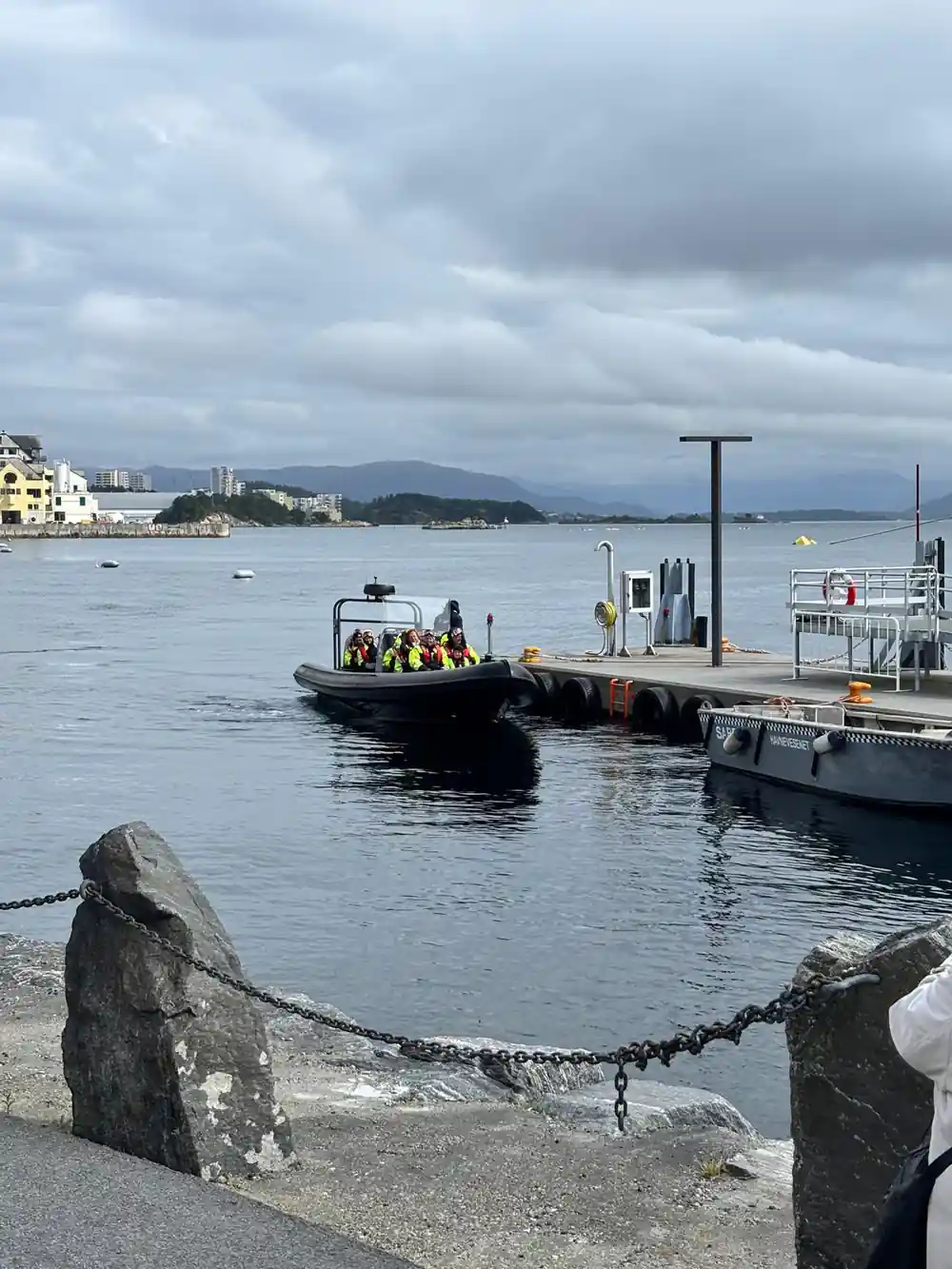
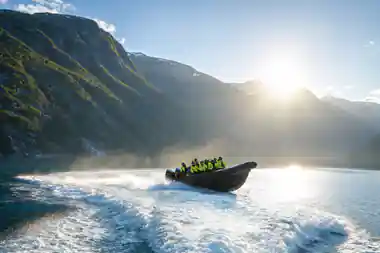
- RIB Ålesund - Fjordsafari Hjørundfjord runs 105 minutes with a live English-speaking guide and stops in Hjørundfjorden.[3]
- Reserve now and pay later on the RIB listing, and cancel up to 24 hours in advance for a full refund.[3]
- Ålesund has an oceanic climate with cold, rainy winters and cool summers, so pack a windproof shell.[4]
- Top choice RIB Hjørundfjord Safari from US$157 Duration105 minutes[3]Rating4.88 from 150 reviews[3]GuideLive tour guide: English[3]CancellationCancel up to 24 hours ahead[3] Check availability
- RIB to Hjørundfjord from US$158 Duration2 hours[5]Rating4.93 from 13 reviews[5]GuideLive tour guide: English[5]CancellationCancel up to 24 hours ahead[5] See this tour
- Hjørundfjord Fjord Cruise from US$115 Duration5 hours[6]Rating4.58 from 282 reviews[6]GuideLive tour guide: English[6]CancellationCancel up to 24 hours ahead[6] See this tour
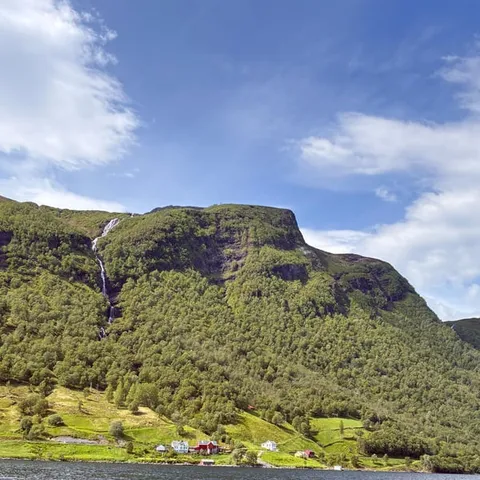
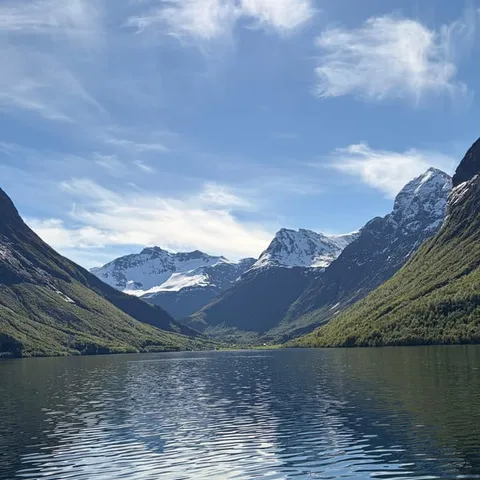
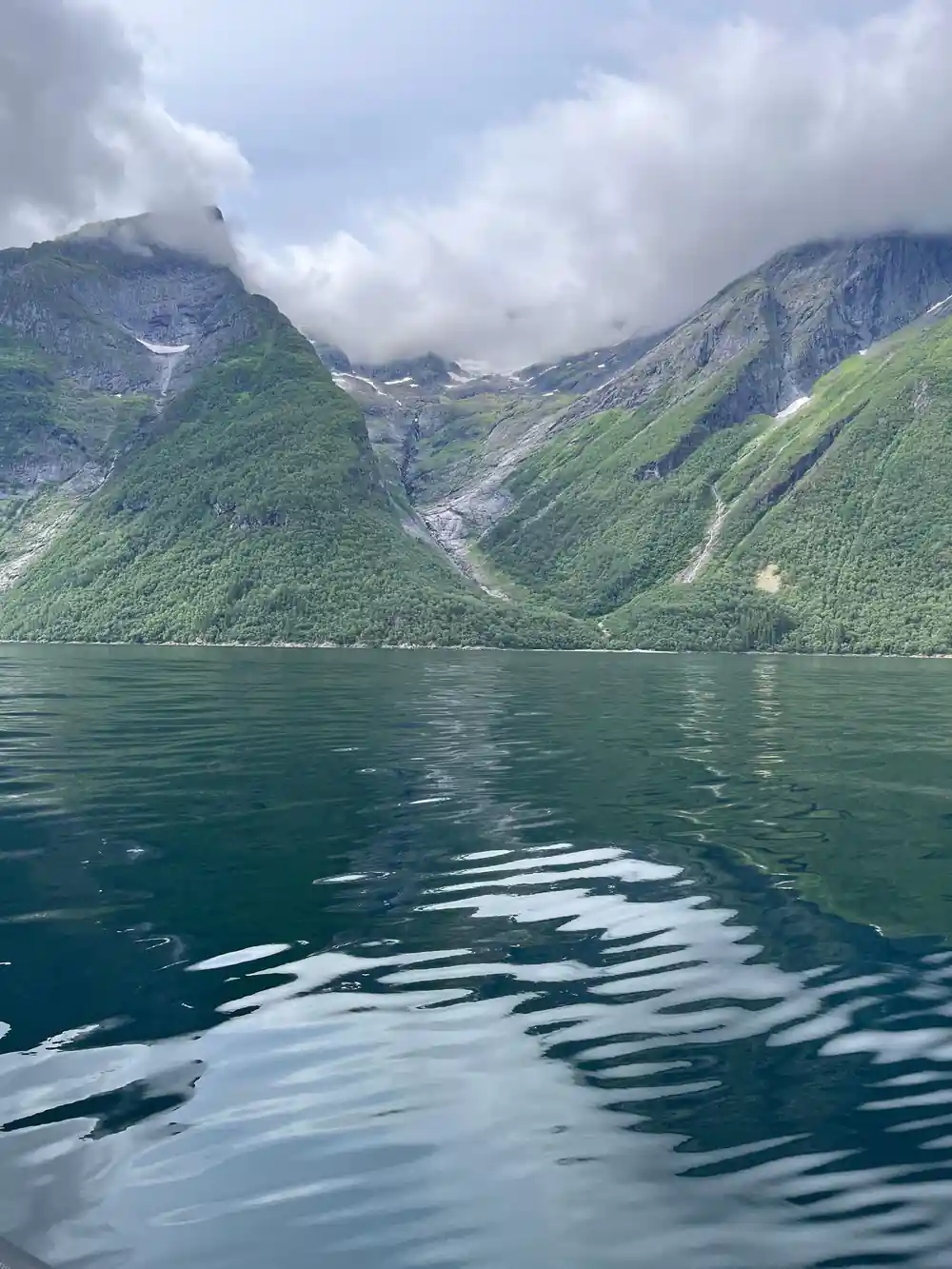
The lake known as Lygnstøylvatnet in the valley of Norangsdal was formed by a rock fall from Keipen in 1908. Beneath the waters of the lake, you can still see remains of the old road, the foundations of the farmhouses and the gateway.
Our verdict: a fast, close-up way to meet the fjord
Worth knowing first
On the water
- Wear a windproof shell and a warm layer; open boats are cold even in summer.
- Sunglasses and sun cream, because glare off the water is strong.
- Tell the operator about back trouble, pregnancy or mobility needs before you board.
- Keep phones and cameras in a dry bag or a zipped pocket.
White-Tailed Eagles Over the Hjørundfjord
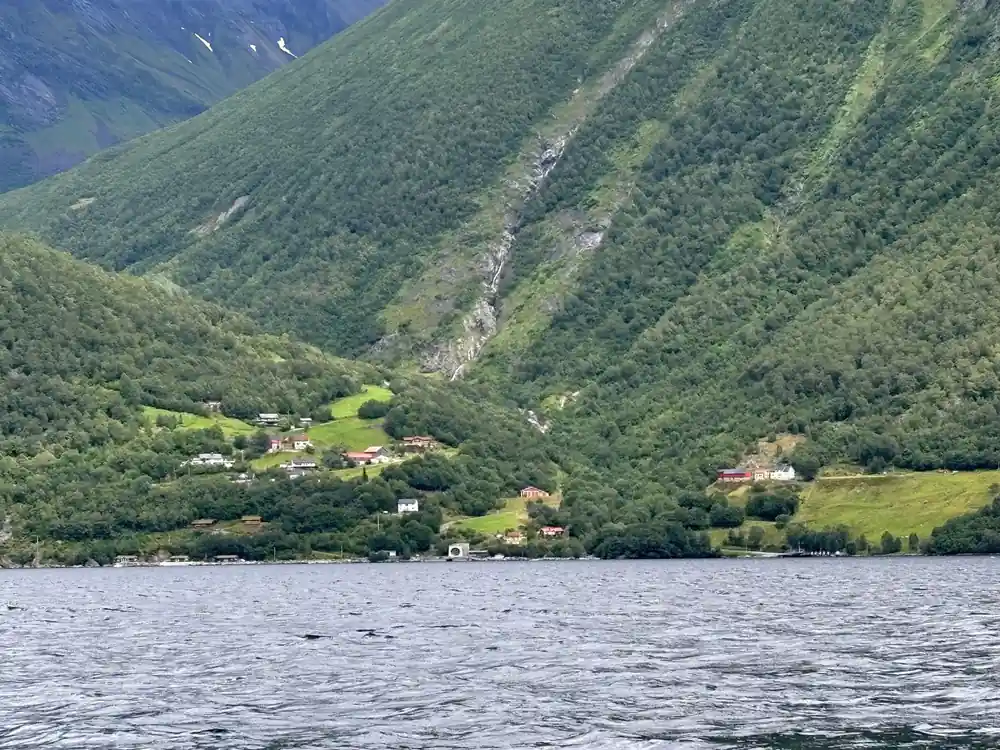
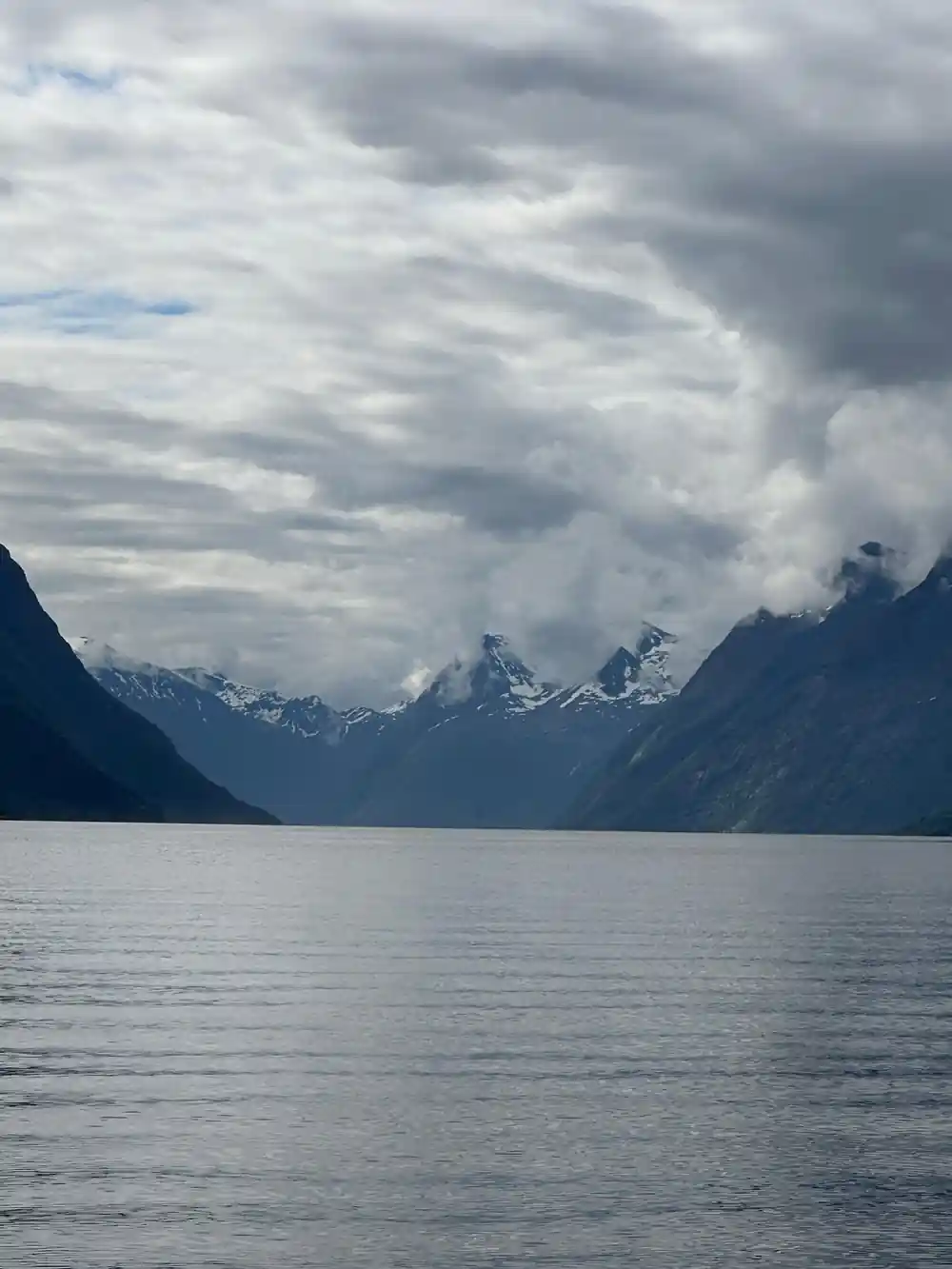
The Hjørundfjord is a narrow arm of water with steep walls on both sides, and it is the kind of landscape that suits a big raptor: plenty of perches with a view, and plenty of water beneath them. The fjord stretches for 35km.[1] Slogen is a 1,564-meter mountain rising in the Sunnmøre Alps, with a spectacular pyramid shape that plunges directly into Norangsfjord, an arm of Hjørundfjord.[7] From the water the peaks look close enough to touch, and the shoreline keeps changing: a farm, a slipway, a wall of rock, then the mouth of a side valley.
White-tailed eagles are the birds most people hope to see. They are heavy and deliberate in flight, with broad wings they often hold flat rather than in a gull's V, and a pale head and tail that stand out against dark rock. A hunting eagle usually flies low over the water. A travelling one can be a speck halfway up a mountain before you have raised your camera. On a fast boat, scan the shoreline rather than the middle of the fjord, and look for a shape that does not match the rock behind it.
There is a second reward to watching the shore. Side valleys open off the main fjord, and one of them holds a lake with a story behind it. In 1908, a rock fall from Keipen formed Lygnstøylvatnet in Norangsdal, and beneath its waters remains of the old road, farmhouse foundations and gateway are still visible.[8] Hotel Union Øye was established in 1891 and gained fame among European aristocracy and luminaries seeking nature without sacrificing luxury and comfort.[9]
Harbour Porpoises and the Chance of Something Bigger
Anyone booking an Alesund wildlife sea safari is really booking time on this water. Harbour porpoises are the fjord's most common cetaceans, appearing singly or in small groups as they hunt fish near the surface.[2] They are small, dark and quick: a rounded back rolls through the water, sometimes with a soft puff of spray, and then there is nothing but a ring of smooth water. They do not leap and they do not ride the bow the way dolphins do, so a porpoise is usually a glimpse rather than a show.
Spotting one is a matter of watching for water that looks wrong: a small surface break where there is no wake, or a splash that repeats along the same line. Porpoises tend to surface a few times and then dive for a while, so if you see one, keep your eyes on that patch of water.
Now and then something larger passes through Norwegian fjord water. If you see a tall, bushy blow or a big dark back with a small fin, you may have caught a whale on the move, but nobody can promise that on any given day, and no itinerary can build a sighting into the timetable. Treat a porpoise as the realistic cetacean of the trip and anything bigger as a bonus.
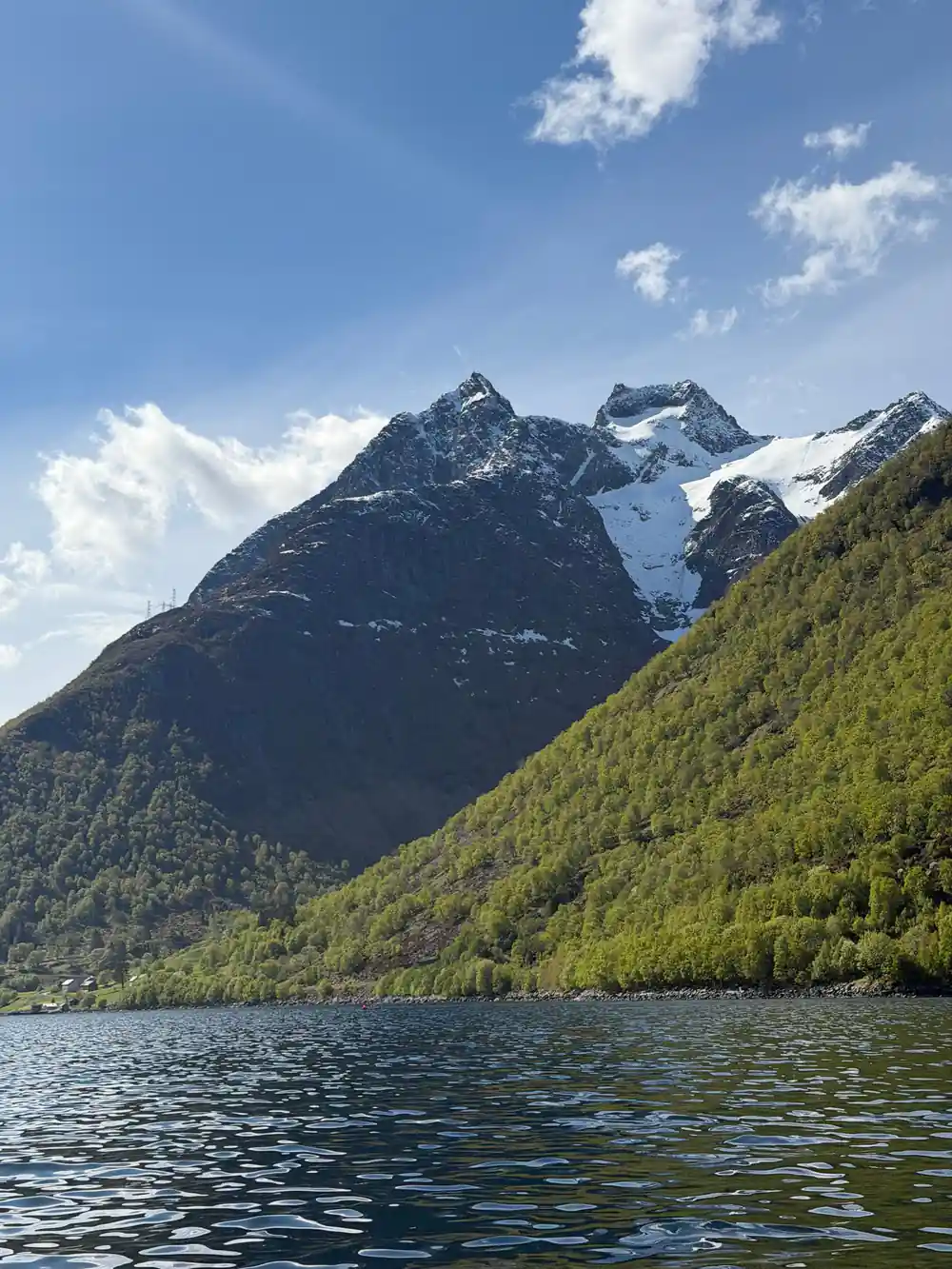
Speed, spray and a shoreline that keeps giving you something to look at.
Seals and the Quiet Skerries
Seals often spot you before you spot them. They haul out on low, flat skerries where they can slide back into deep water in a second, and many of them lift their heads to watch a boat go past. From a distance a grey seal on a wet rock looks exactly like a wet rock, until the rock turns its head.
The fjord gives them plenty of places to do that. Shelves of stone sit just above the waterline, small islands have grass on top, and shallow corners force boats to slow down. Villages and landings are strung along the fjord too, and there are ferry crossings between Ytre Standal, Trandal, Sæbø, Skår and Leknes.[10] Keep watching as you pass the small harbours and the rocky points beside them.
Keep your distance and ask the skipper to hold off if the boat is drifting towards a haul-out. Seals that stay on the rock are relaxed; if the whole group slides into the water at once, that is a sign the boat came too close. Binoculars will show you more than getting near ever will, and the animals stay where they were.
Seabirds on the Cliffs and Breeding Ledges
Where the fjord walls go vertical, they turn into bird cities. Guillemots and razorbills line the narrow ledges, shags dry their wings on low outcrops, and gulls and kittiwakes patrol the open water below. Some nests sit only just above the swell, and some sit high enough that the birds look like flecks of white paint on the rock. In the breeding months the noise alone tells you that you are passing a colony, long before you pick out individual birds.
Look for the birds that are not gulls. A slim, dark bird sitting upright on a ledge, with a white wing patch when it flies, is likely a guillemot. A stockier bird with a thick, blunt bill is probably a razorbill. A shag sits low on a rock with its neck stretched, looking like a wet umbrella left behind on a ledge. Seabirds feed by diving, so churning water or a flock sitting tight on the surface usually means small fish below.
Eagles and seabirds share the same cliffs, and the two watch each other. When every bird on a ledge lifts at once, look up and behind the boat: something has passed overhead. It is worth turning your head when that happens.
from US$157
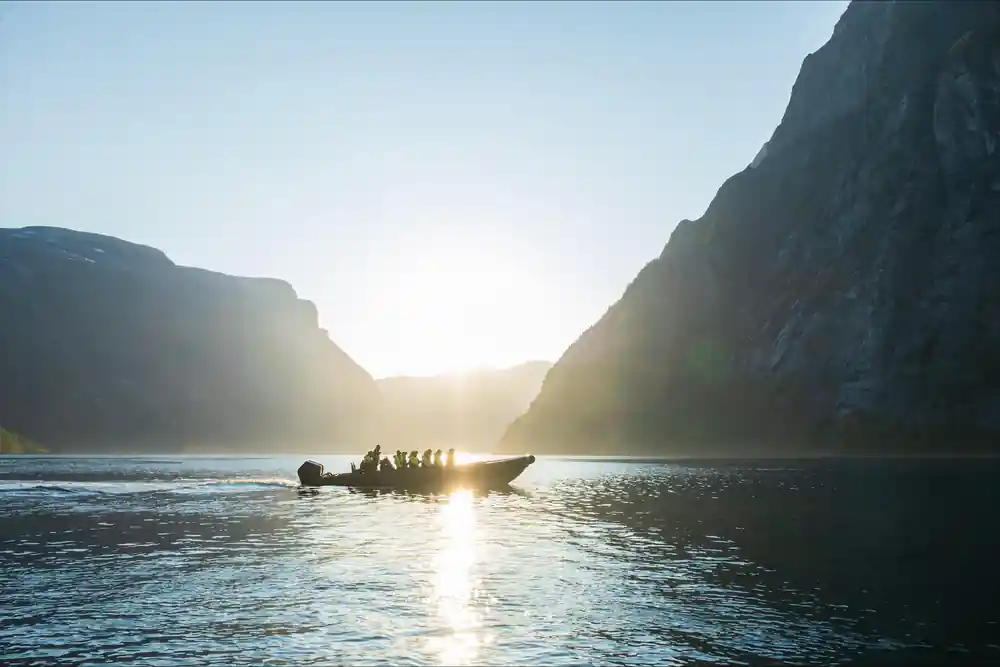
RIB Ålesund - Fjordsafari Hjørundfjord runs 105 minutes in Hjørundfjorden, with a live English-speaking guide on board.[3]
Fish Farms, Currents and Where Life Gathers
Salmon farms are part of the modern fjord landscape, and they sit in sheltered, well-flushed water. Water moving through a farm also carries plankton and small fish, and where small fish gather, the birds that dive for them tend to follow. On a fast boat, the walkways and feed barges give you a fixed point to watch: birds often use the structures as a base between dives, and porpoises sometimes work the same edge of water.
Currents matter as much as landmarks. Where the fjord narrows between rock walls, and where a side valley brings water down to the main fjord, the surface can boil and swirl. Watch those lines of disturbed water. They carry food, and anything that eats fish will use them, from guillemots to porpoises. The same applies at the mouths of side fjords and around the shallower water near the villages.
If the water is glassy and nothing seems to be moving, do not read it as an empty fjord. Wildlife on this coast works to its own clock, and a quiet stretch of water can be followed by several sightings in a few minutes. Keep looking and let the landscape hold your attention in between.
Photographing Wildlife From a Moving RIB
A moving RIB is a difficult place to take photographs and a very good place to watch. The boat sits low, so you are close to the water and close to the birds. It is also fast and wet, so anything you want to keep dry belongs in a dry bag or a zipped pocket before you leave the dock. A cloth for spray on the lens is worth more than an extra lens.
Set the camera before something happens. A fast shutter speed freezes a bird in flight and a porpoise's back at the surface, and a wide aperture helps when the light is flat. Zoom out a little rather than filling the frame with the animal, because a moving boat makes tight framing hard and the landscape behind the bird is half the picture. If the light is dim, accept a higher sensitivity and some grain; a sharp, slightly noisy picture beats a blurred one.
One more thing: put the camera down now and then. Eagles and porpoises give you moments rather than sessions, and the sighting you remember is often the one you watched with both eyes.
Seasons, Weather and Planning the Day
Ålesund has an oceanic climate with cold, rainy winters and cool summers.[4] For a day on the water that means layers, a windproof shell and no faith in a dry forecast. The fjord funnels wind, so a calm morning in town can be breezy out on the water, and a shower can pass through in minutes.
Summer is when the fjord is easiest to travel. There is an express boat service from Ålesund to Øye in summer that stops at Trandal, Sæbø and Urke, and the same villages are linked by ferry crossings between Ytre Standal, Trandal, Sæbø, Skår and Leknes.[10] If you are staying in Ålesund without a car, those services are how you reach the inner fjord.
The RIB safari itself runs for 105 minutes and stops in Hjørundfjorden, with a live English-speaking guide on board, and from-prices start at US$157.[3] That is a short enough window to fit around a ferry, a bus or a ship's call, and long enough to cover water that would take far longer to reach from land. Build the rest of your day around it, book it early in your stay, and keep a spare slot in case the weather turns.
From-prices for fjord trips in this area
From-prices in US dollars for four GetYourGuide listings: Geirangerfjord RIB[11], Hjørundfjord cruise[6], Hjørundfjord RIB[3], Hjørundfjord RIB, Uteguiden[5].
What a fjord day costs, in US dollars
From-prices per person in US dollars: RIB Ålesund[3], Fjordsafari with RIB to Hjørundfjord[5], Hjørundfjord Fjord Cruise roundtrip[6], RIB Hellesylt Geirangerfjord[11].
When to book a fjord wildlife trip
Plan your wildlife day
Book the RIB
Check availability for starting times, then reserve the RIB safari, with from-prices of US$157 per person.[3]
Dress for spray
Windproof shell, warm midlayer, sunglasses and a hat you do not mind losing. The fjord is cooler than the town.
Pack light and dry
Phone in a dry bag, camera on a wrist strap, nothing loose on the deck. Spray gets everywhere on a fast boat.
Watch the shoreline
Scan the waterline for eagles, the open water for porpoises and the low rocks for seals, and keep the cliffs in view.
Ask what you are seeing
The guide speaks English and knows this water, so ask about the birds you cannot name and the valleys you pass.
Keep the rest of the day loose
The run takes 105 minutes, so leave room afterwards for the ferry, the bus or a slow lunch in Ålesund.[3]
See the fjord's wildlife from sea level on a Hjørundfjord RIB
from US$157Reserve now & pay later