At a glance
- The Hjørundfjord stretches for 35km[24] beneath the Sunnmøre Alps, where Slogen rises to 1,564 meters and plunges into Norangsfjord.[25]
- Hotel Union Øye was established in 1891 and gained fame among European aristocracy and luminaries who wanted nature without giving up luxury and comfort.[26]
- In summer an express boat from Ålesund to Øye stops at Trandal, Sæbø and Urke, and ferry crossings link Ytre Standal, Trandal, Sæbø, Skår and Leknes.[27]
- In 1908 a rock fall from Keipen formed Lygnstøylvatnet in Norangsdal, and beneath the water you can still see the old road, farmhouse foundations and gateway.[28]
- The RIB Ålesund - Fjordsafari Hjørundfjord runs 105 minutes with a live English-speaking guide, from US$157 and rated 4.88 from 150 reviews.[29]
- Top choice RIB Hjørundfjord safari from US$157 Duration105 minutes[29]Rating4.88 from 150 reviews[29]GuideLive tour guide: English[29]CancellationCancel up to 24 hours[29] Check availability
- RIB safari with Uteguiden from US$158 Duration2 hours[30]Rating4.93 from 13 reviews[30]GuideLive tour guide: English[30]CancellationCancel up to 24 hours[30] See this tour
- Hjørundfjord roundtrip from US$115 Duration5 hours[31]Rating4.58 from 282 reviews[31]GuideLive tour guide: English[31]CancellationCancel up to 24 hours[31] See this tour
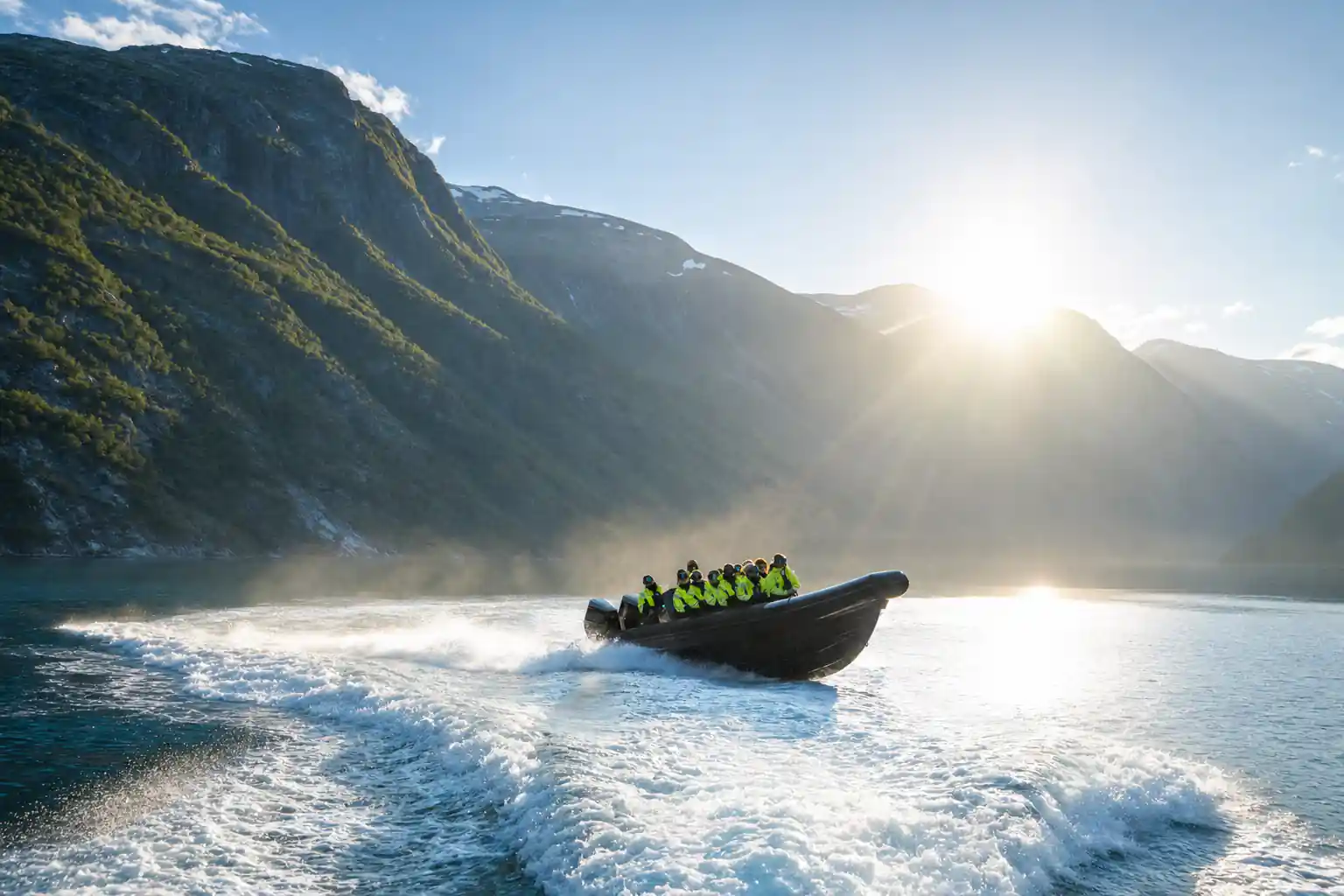
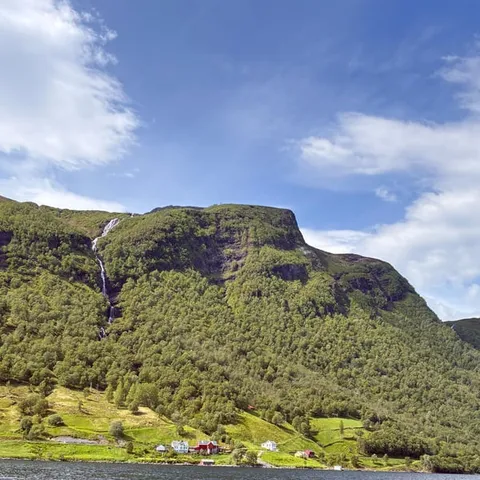
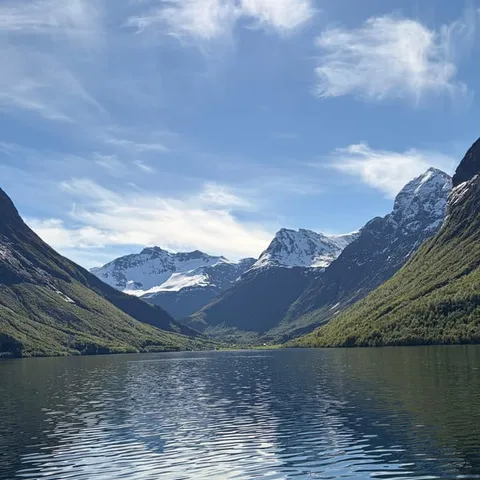
Established in 1891, Hotel Union Øye gained fame when the aristocracy and luminaries of Europe sought experiences to indulge in nature without sacrificing luxury and comfort.
Is the RIB safari the right way to meet the Hjørundfjord?
Booking the RIB safari
Getting there and what to expect
A fjord that filled with visitors first
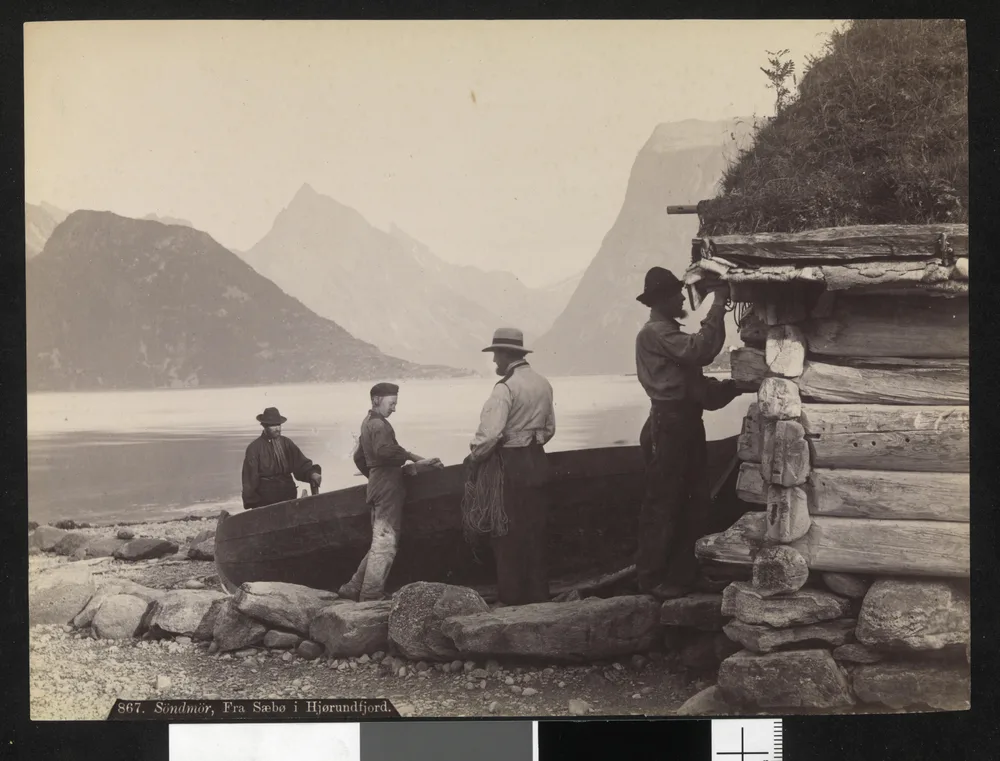
The Hjørundfjord has been a holiday address for longer than most people realise. Its little places sit on narrow shelves of flat ground between water and mountain, and the peaks above them are steep enough that the light changes hour by hour. There is almost no flat land and no way to hurry. That is what the first paying guests came for, and it is still what people come for now.
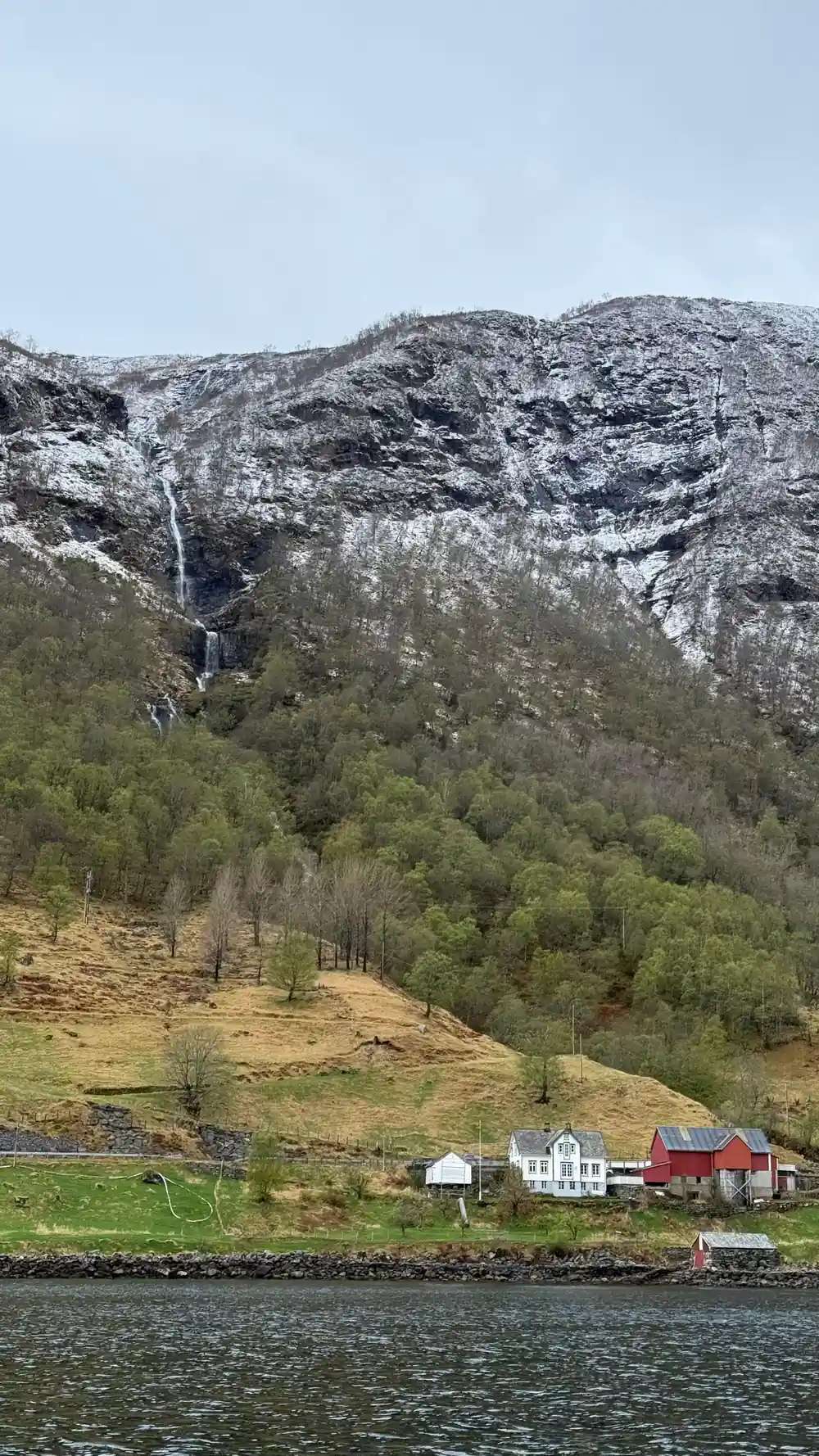
The fjord stretches for 35km, an arm of the bigger Storfjord, with the Sunnmøre Alps standing over it.[24] From the water you take in the whole shape of the valley at once: rock shoulders, small farms, waterfall lines after rain. Boat travel also reaches shore that no road serves, and it covers the length of the fjord in a single sitting.
The boats that serve the fjord are still the simplest way to see it. In summer an express boat from Ålesund to Øye stops at Trandal, Sæbø and Urke,[27] and there are ferry crossings between Ytre Standal, Trandal, Sæbø, Skår and Leknes.[27] With a car, the ferries do the work. Without one, the summer express boat carries you and your bag between the stops.
Hotel Union Øye and the guests it drew north
Hotel Union Øye was established in 1891, and it gained fame among the aristocracy and luminaries of Europe who wanted nature without sacrificing luxury and comfort.[26] The hotel sits deep in the valley country at the inner end of the fjord, and the peaks stand so close behind it that guests have always measured the day by which summit the sun was on.
That is the era people mean when they call the Hjørundfjord a tourist fjord. Hjørundfjord steamer traffic carried guests up the water to the stops along the shore, and the travellers who arrived did not keep the place to themselves. Kaiser Wilhelm's visits to Øye are still part of the fjord's story, and the names attached to the valley gave it a reputation that outlived the ships.
You do not need a suite or a century-old name to enjoy this part of the fjord. The old hotel is a landmark, not a gate. Walkers, kayakers, cyclists and day trippers all pass through, and the valley roads and boat stops are open to anyone. If you want a taste of the slow old style, build in a quiet hour on shore between boats instead of a rushed photo stop.
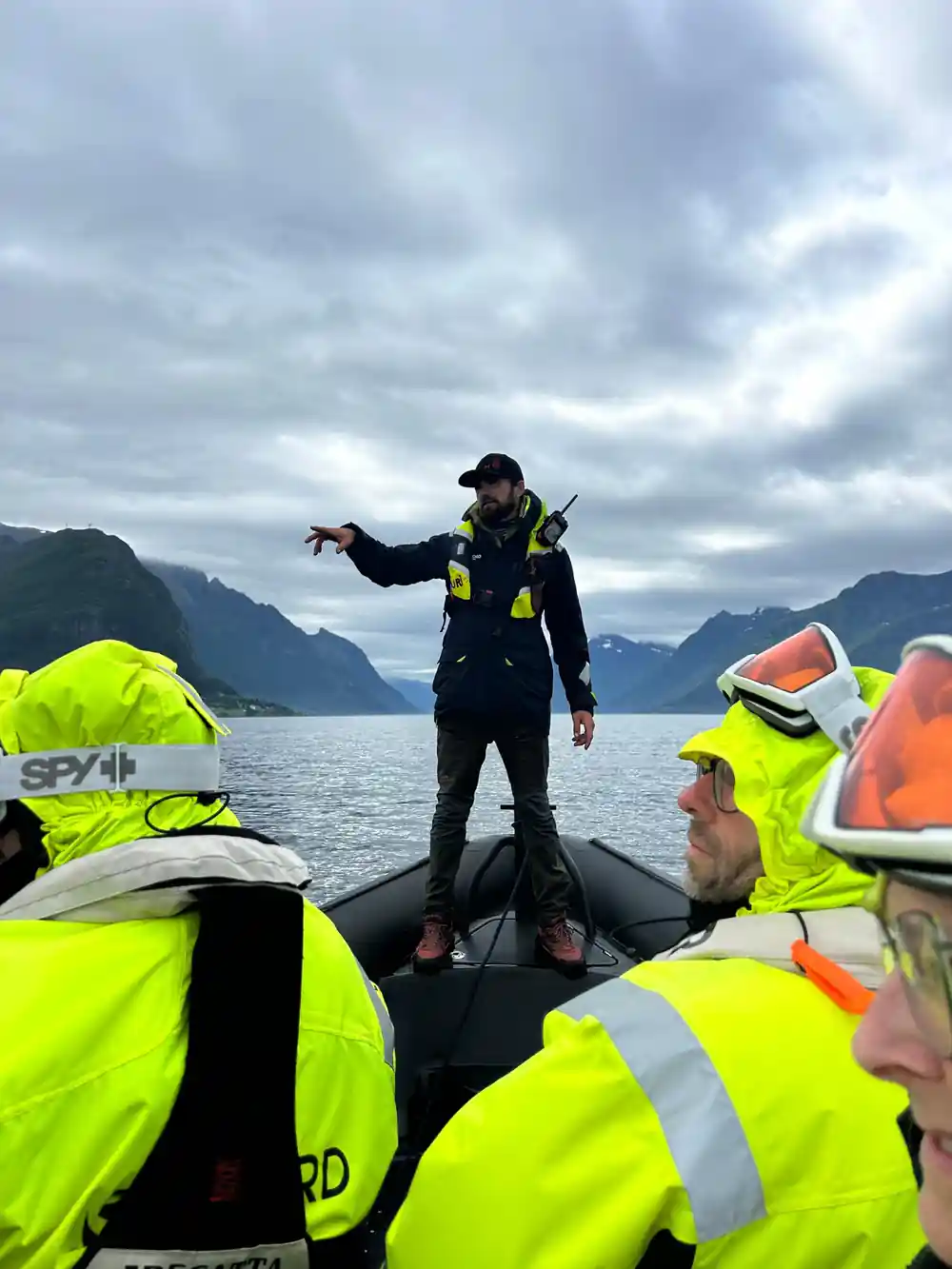
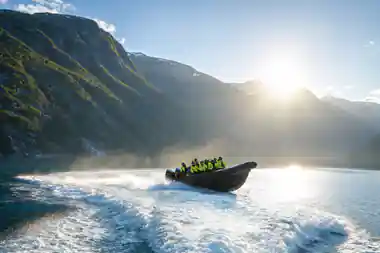
The RIB run keeps you low on the water, with the Sunnmøre Alps stacked above the fjord.
Steamers, express boats and cruising the fjord
The summer express boat between Ålesund and Øye is the workhorse of the fjord. It stops at Trandal, Sæbø and Urke on the way,[27] and car ferries knit the shore together between Ytre Standal, Trandal, Sæbø, Skår and Leknes.[27] Timetables here are built around local life rather than sightseeing, so read the times carefully before you build a day around a single crossing.
There are also cruises that exist for the view. The roundtrip from Ålesund lasts 5 hours from US$115, with stops at Hjørundfjorden, Trandal, Saebo, Urke and Øye.[31] In summer the express boat from Ålesund to Øye covers the same water on a public timetable, calling at Trandal, Sæbø and Urke,[27] which suits anyone who wants to stay a night in one of the villages rather than sail straight back.
Which one suits you depends on how you want to use the day. A one-way ticket lets you step off and stay a night; the roundtrip keeps you on board and brings you back to Ålesund. Both keep you low on the water and close to shore, with the peaks cutting off the view behind you now and then. Bring a drink and a windproof layer, even in high summer.
The Sunnmøre Alps seen from the water
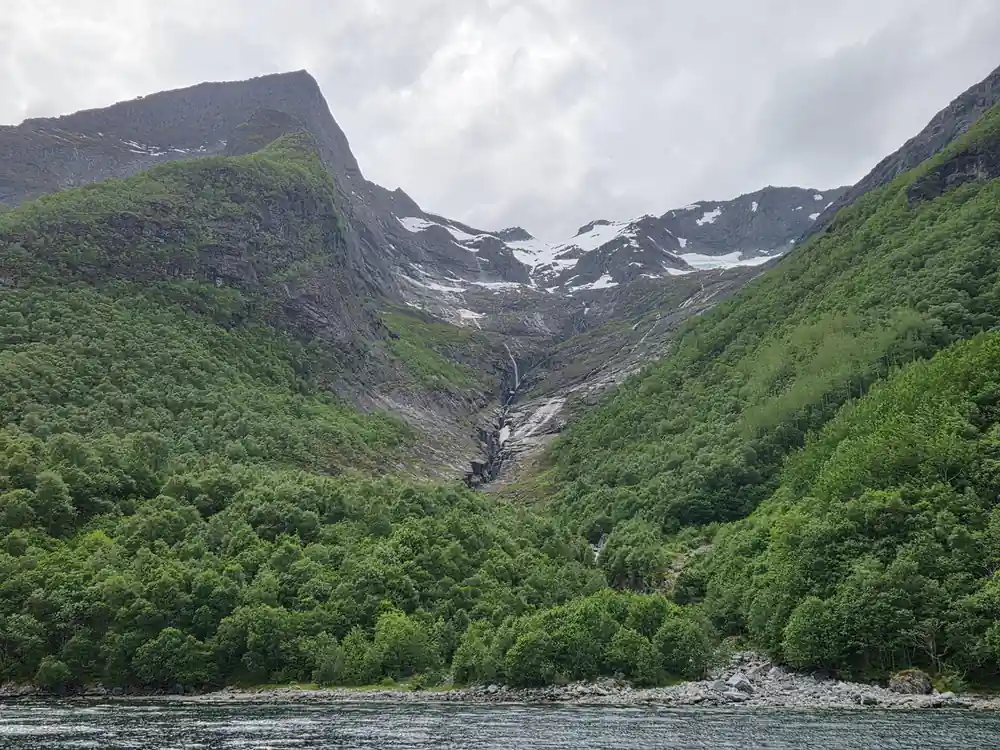
The mountains around the fjord are old, hard rock shaped by ice, and they rise almost straight out of the water. The fjord feels narrow and tall at the same time, and the best view of a peak is usually from below it rather than from a car park.
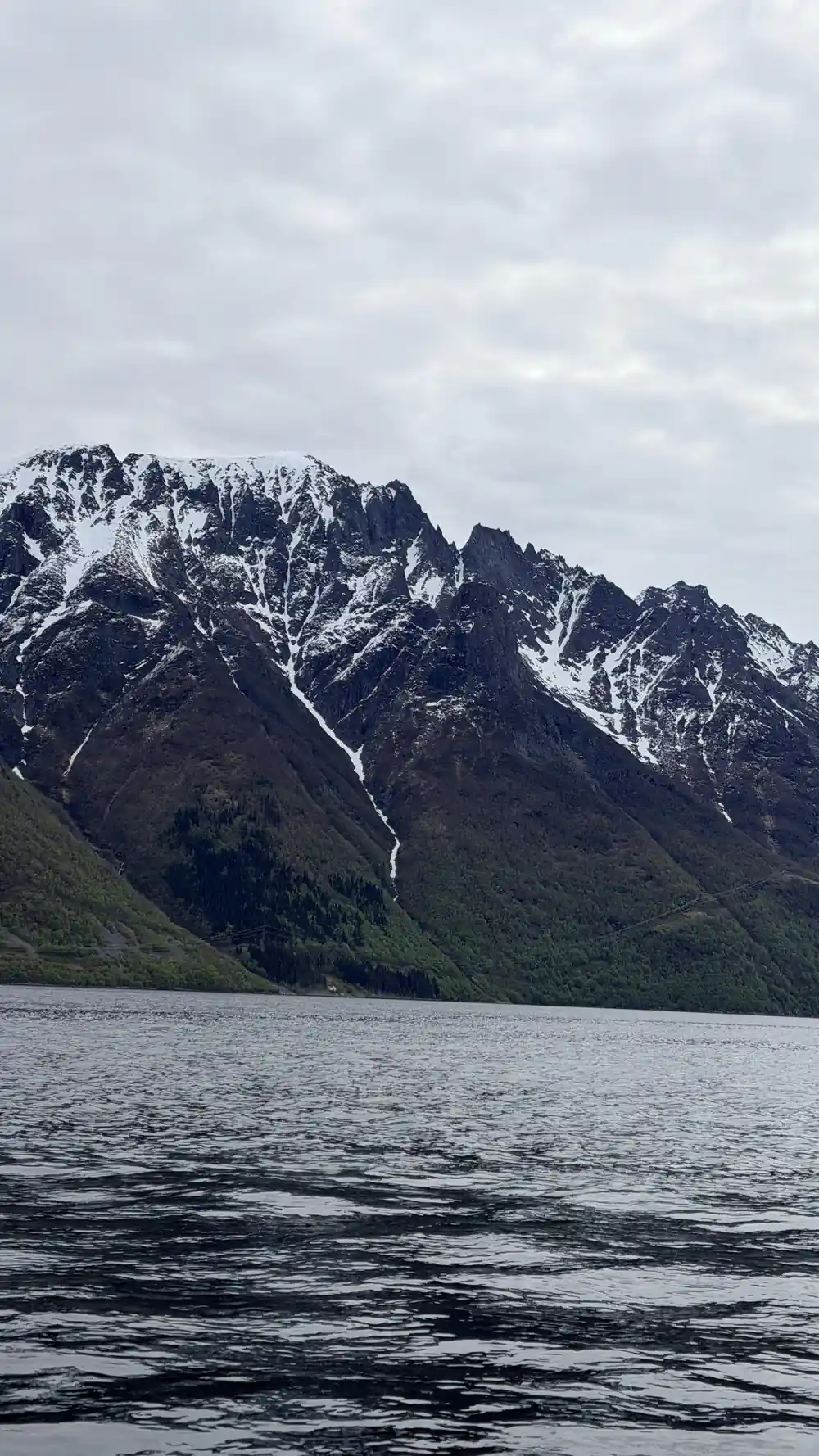
Slogen is the mountain that gives the inner fjord its shape: a 1,564-meter peak in the Sunnmøre Alps with a pyramid profile that plunges directly into Norangsfjord, an arm of the Hjørundfjord.[25] You do not need to climb it to enjoy it. Seen from the water it changes character with the cloud, sharp in clear weather and half hidden when mist sits on the tops.
Ålesund, the usual starting point, has an oceanic climate with cold, rainy winters and cool summers.[33] Expect a green fjord: rain feeds the waterfalls, deepens the colour of the water and clears the air after a front passes. A waterproof shell makes any day comfortable, and the cloud often lifts by afternoon.
from US$157
The RIB Ålesund - Fjordsafari Hjørundfjord runs for 105 minutes, live guide in English, rated 4.88 from 150 reviews.[29]
Norangsdal and the road under the lake
One valley inland from the fjord hides a small piece of drama. In 1908 a rock fall from Keipen formed Lygnstøylvatnet in Norangsdal, and beneath the water you can still see remains of the old road, the foundations of the farmhouses and the gateway.[28] On a still day the sunken road shows as a pale line under the surface, and the gateway stands where a fence once ran.
Norangsdal is a green valley of farms, summer pastures and slow road, and it links the inner fjord with the mountains behind. The lake is the obvious stop, but the road there is part of the trip: narrow, unhurried, and full of water and rock.
If you would rather not drive, a Hellesylt cruise and Norangsdal bus tour covers the fjord and the valley in 3.5 hours from US$94, with a live English-speaking guide and a route that runs bus, boat, bus.[34] Either way, the valley road is narrow and slow, so the time on the bus is part of the scenery rather than a transfer to sit through.
Wildlife on the Hjørundfjord
Harbour porpoises are the fjord's most common cetaceans, appearing singly or in small groups as they hunt fish near the surface.[32] They are small, quick and easy to miss: a dark back, a short roll, and then open water again. Watching for them is half the pleasure of a fast boat, and a guide who works these waters often knows where to slow the engine.
Eagles ride the updraughts along the cliffs, usually high and well away from the boat. Scan the ridges as well as the water, and give your eyes time to adjust to the grey of rock and cloud. Binoculars stay useful for the whole trip.
Keep your expectations loose. Wildlife in a fjord keeps its own schedule, and sightings often come when the boat is idling and everyone is looking the same way. Patience and a warm hat do more for your chances than a long lens.
RIB, cruise or both: choosing your Hjørundfjord day
The quickest way to meet the Hjørundfjord is a RIB. The RIB Ålesund - Fjordsafari Hjørundfjord takes 105 minutes, has a live English-speaking guide, and starts from US$157.[29] You ride low and fast, get close to the shore, and come back with the shape of the valley fixed in your head.
If you want a longer, calmer run, the Fjordsafari with RIB to Hjørundfjord takes 2 hours from US$158 with a live English-speaking guide.[30] Anyone who prefers a deck and a cabin can take the Hjørundfjord Fjord Cruise roundtrip from Ålesund, 5 hours from US$115.[31] Either way you are back in town with time to spare.
Think about how the day is built: a short, intense stretch on the water, then back on land with damp hair and a camera full of peaks. Reserve ahead if you are travelling in summer, keep the morning free, and add a walk or a museum in Ålesund for the rest of the day. The fjord is the highlight, and it does not have to be the whole day.
From-prices for fjord tours and cruises
Hjørundfjord tours and what they cost
Every figure is a from-price in US dollars on GetYourGuide. Each of these listings publishes one from-price, so the adult and child columns show the same amount.[29][30][31]
When to sort out your Hjørundfjord day
Plan your Hjørundfjord day
Pick your water
Choose between the 105-minute RIB safari[29], the 2-hour RIB safari[30] and the 5-hour cruise.[31]
Fit it around the boats
In summer the express boat from Ålesund to Øye stops at Trandal, Sæbø and Urke.[27] Ferries also cross the fjord.
Book and pay later
Reserve now and pay later, with free cancellation up to 24 hours in advance for a full refund.[29]
Dress for the ride
A fast open boat is cold even on a warm day. Bring a windproof layer, gloves and a dry bag for your camera.
Add the valley
Norangsdal and the lake formed by the 1908 rock fall are worth the detour.[28]
Ride the fjord that visitors found first
from US$157Reserve now & pay later