At a glance
- A local skipper at the wheel and a live English-speaking guide on board, working as a pair.[1]
- The RIB Ålesund - Fjordsafari Hjørundfjord is listed at 105 minutes, with Hjørundfjorden as its stop.[1]
- Reserve now and pay later, with free cancellation up to 24 hours in advance for a full refund.[1]
- Stories of the Sunnmøre Alps, including Slogen, a 1,564-meter mountain whose pyramid shape plunges into Norangsfjord.[2]
- Harbour porpoises are the fjord's most common cetaceans, seen singly or in small groups hunting fish near the surface.[3]
- Top choice RIB Hjørundfjord from US$157 Duration105 minutes[1]GuideLive tour guide in English[1]Rating4.88 from 150 reviews[1]StopsHjørundfjorden[1]CancellingFree cancellation up to 24 hours[1] Check availability
- Hjørundfjord cruise from US$115 Duration5 hours[4]GuideLive tour guide in English[4]Rating4.58 from 282 reviews[4]StopsTrandal, Sæbø, Urke, Øye[4]CancellingFree cancellation up to 24 hours[4] See this tour
- Geirangerfjord RIB from US$104 Duration1 hour[5]GuideLive tour guide in English[5]Rating4.94 from 238 reviews[5]StopsSeven Sisters Waterfall[5]CancellingFree cancellation up to 24 hours[5] See this tour
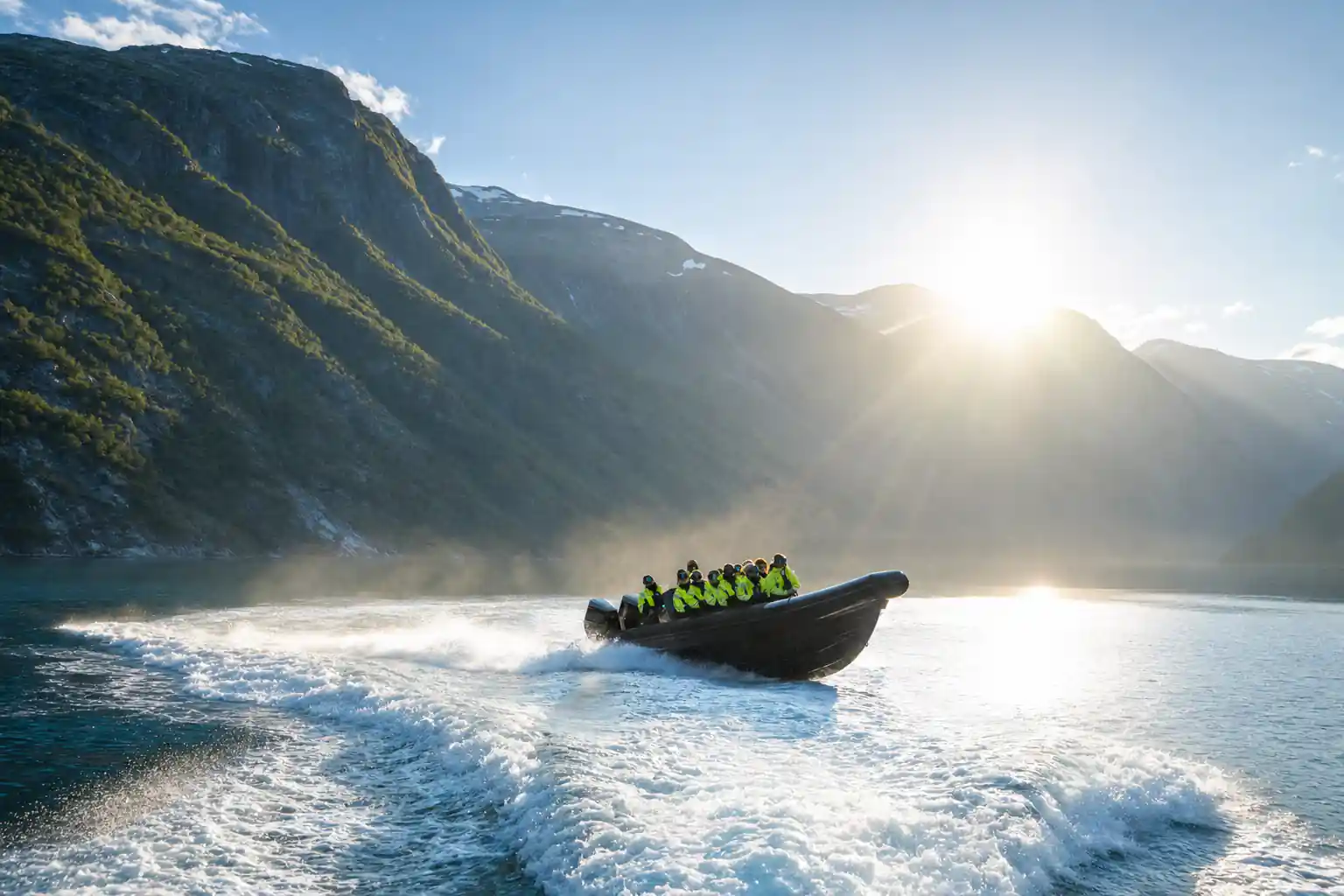
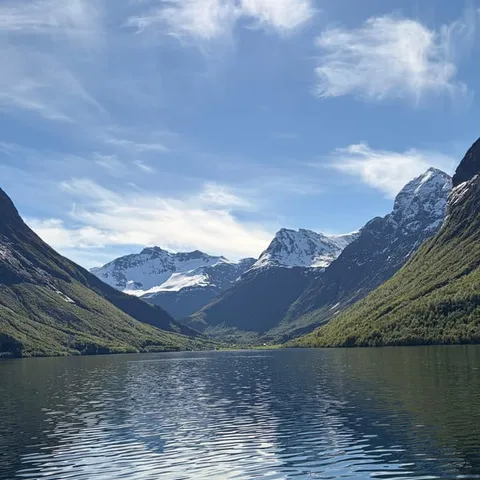
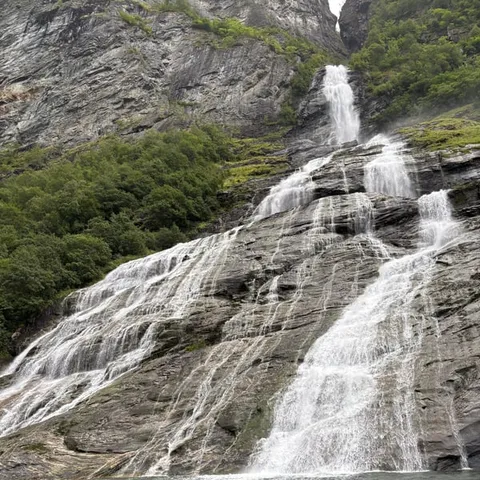
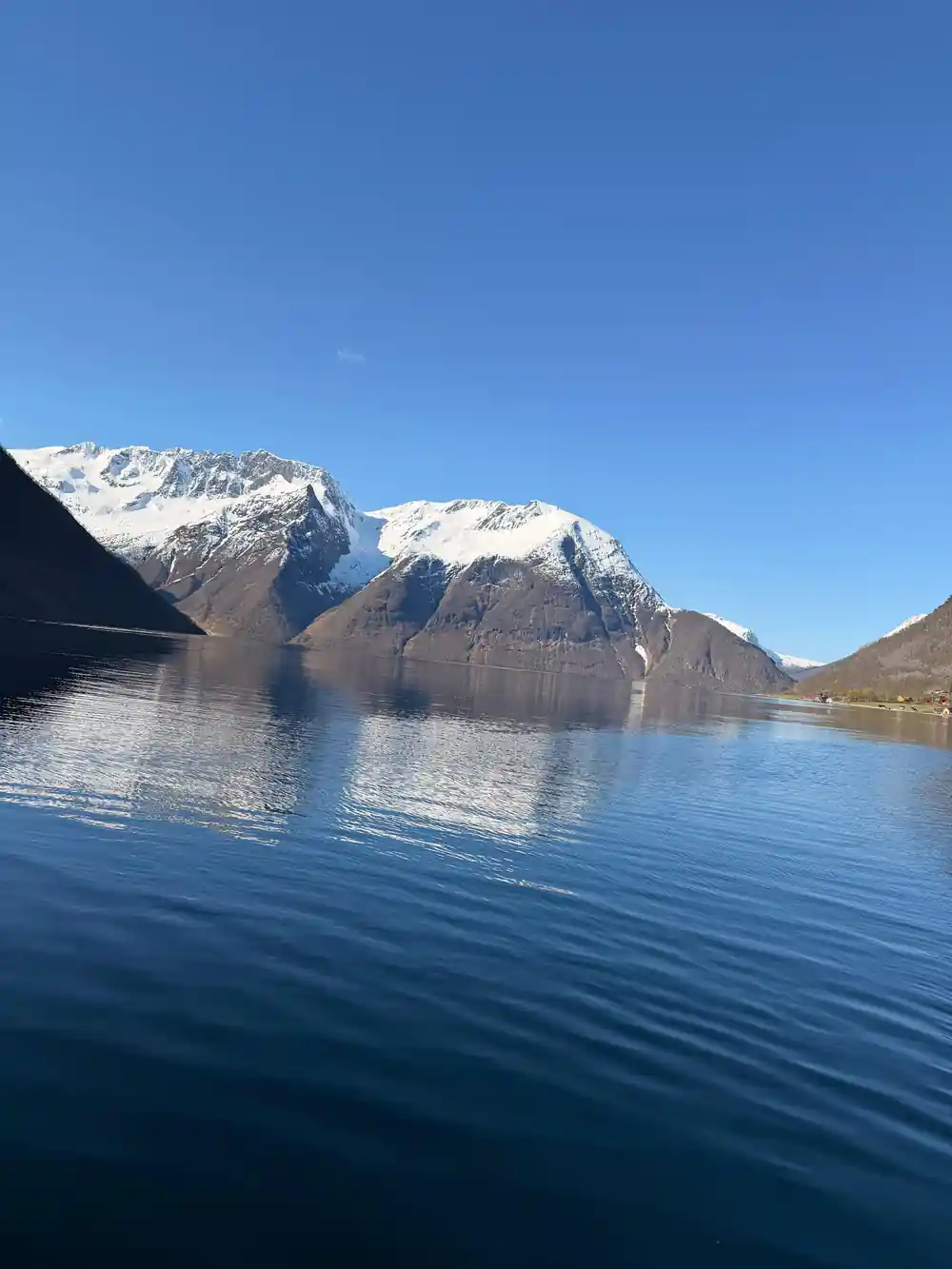
As an arm of the enormous Storfjord, the Hjørundfjord stretches for 35km beneath the jagged mountain peaks of the Sunnmøre Alps .
Is a guided RIB the right fjord trip for you?
Before you step aboard
- Re-read your departure time the night before and work out the walk to the dock
- Layers beat one thick jacket: the air on the water is cooler than in town
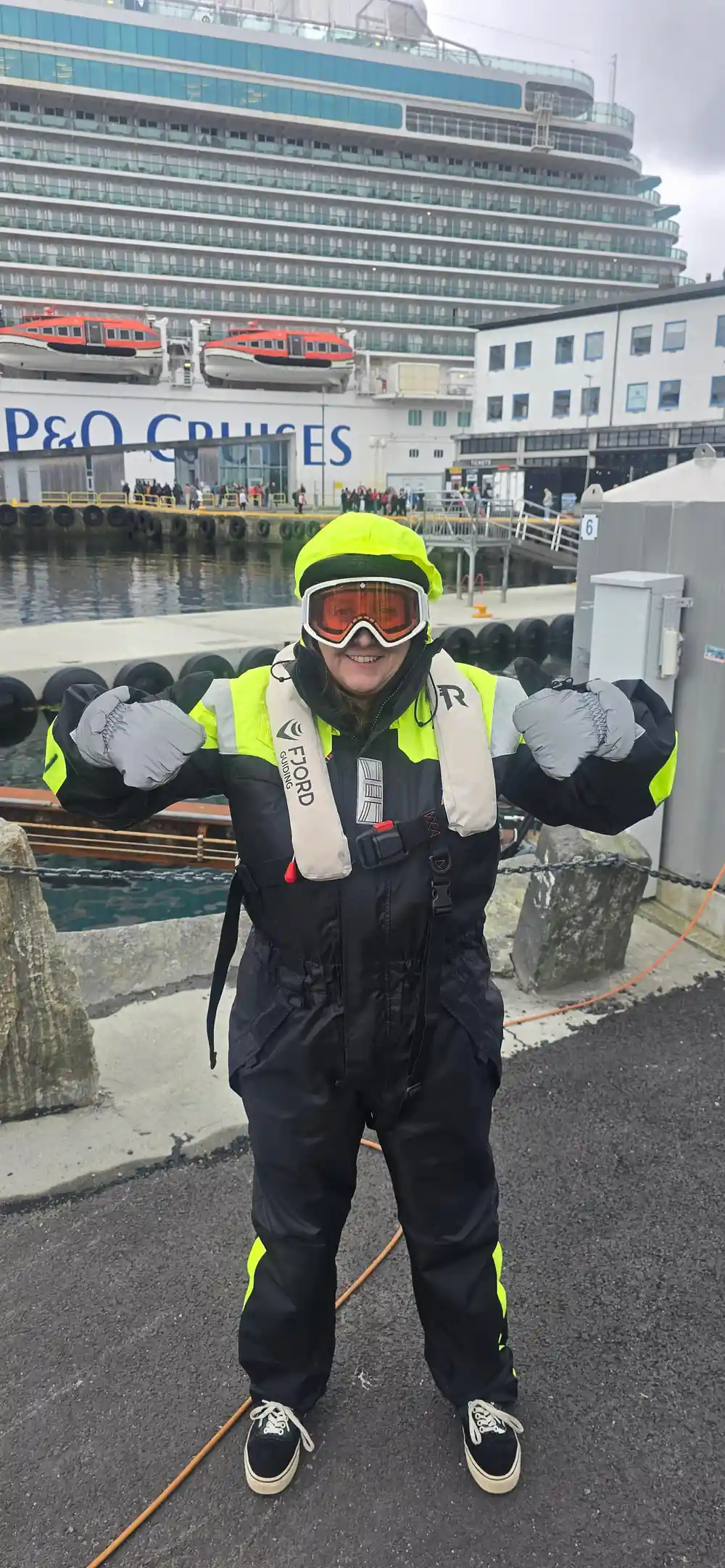
- Sunglasses and a neck gaiter handle glare, wind and spray at the same time
- A windproof, waterproof outer layer does more work than an umbrella ever will
Once the engine starts
- Sit near the guide if you want to catch every word over the engine noise
- Note the return time before you leave the dock so nobody is waiting on you
- Pack a small dry bag for phone and camera so spray cannot reach them
- Ask how the season changes the route when you book your place
Who is at the helm on a Hjørundfjord RIB
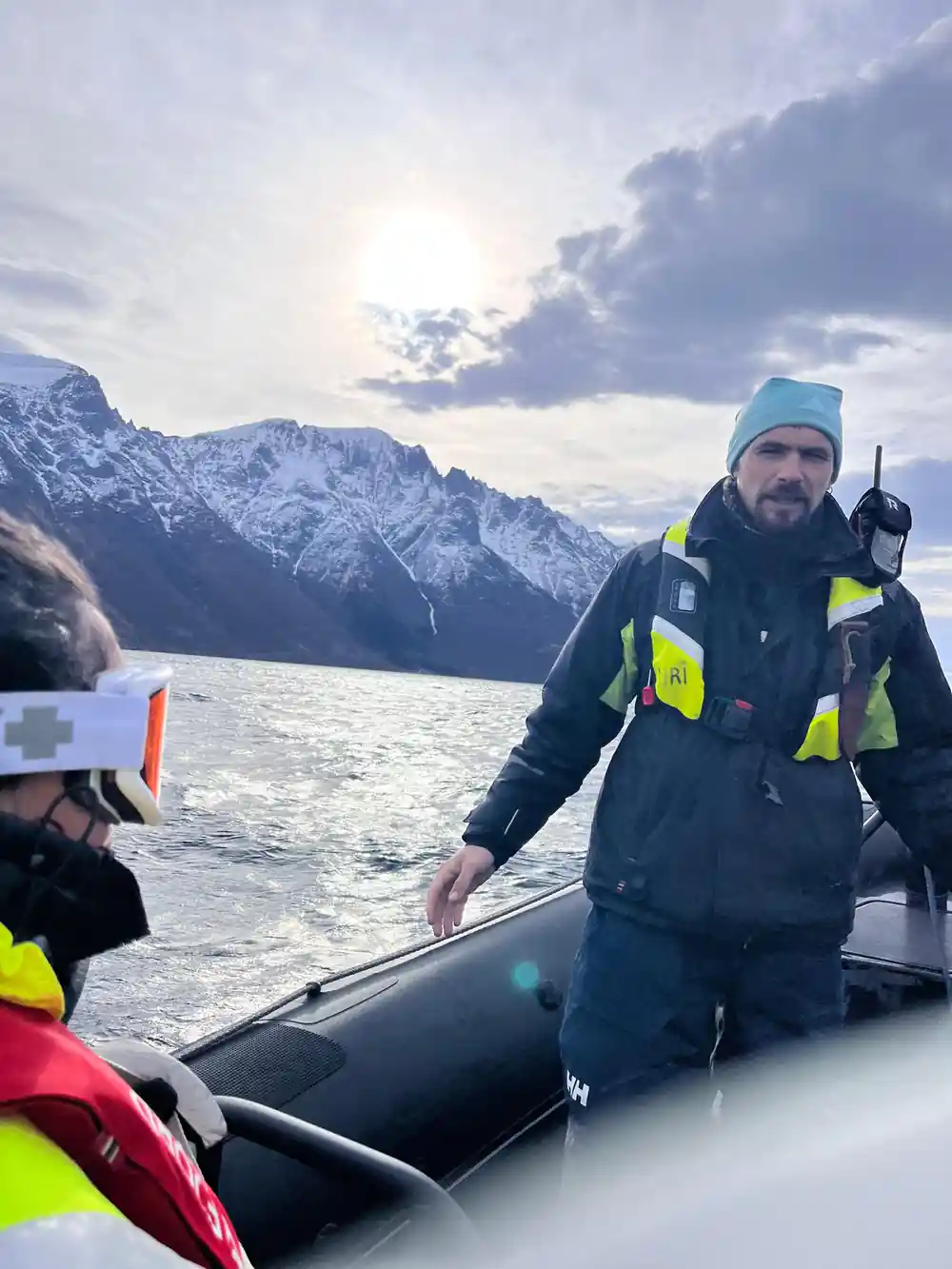
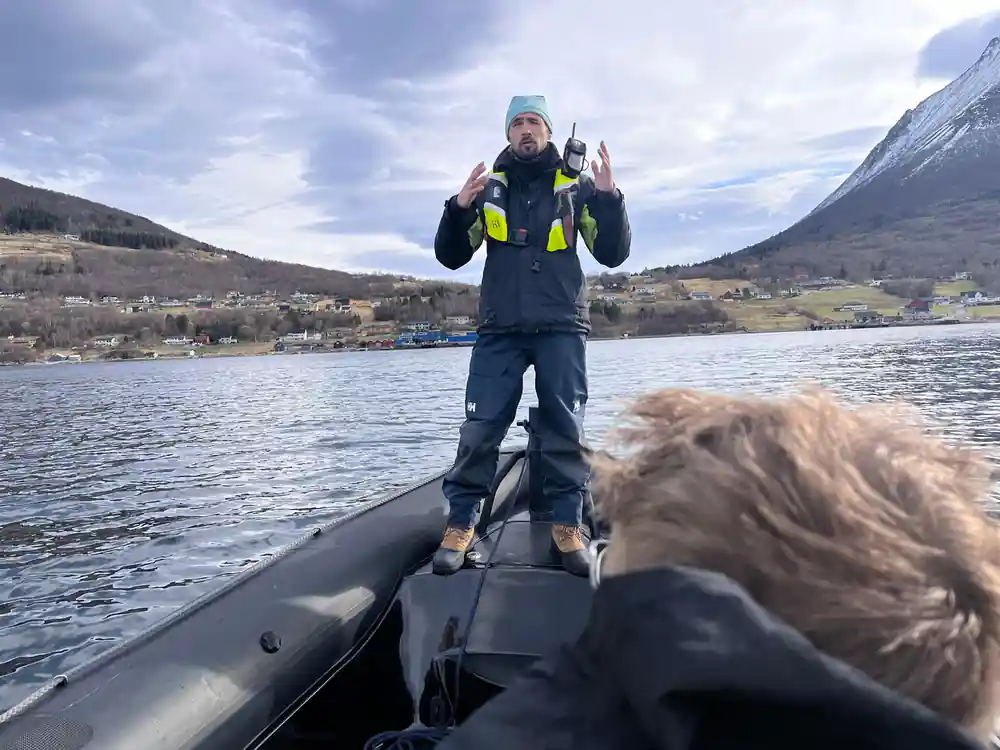
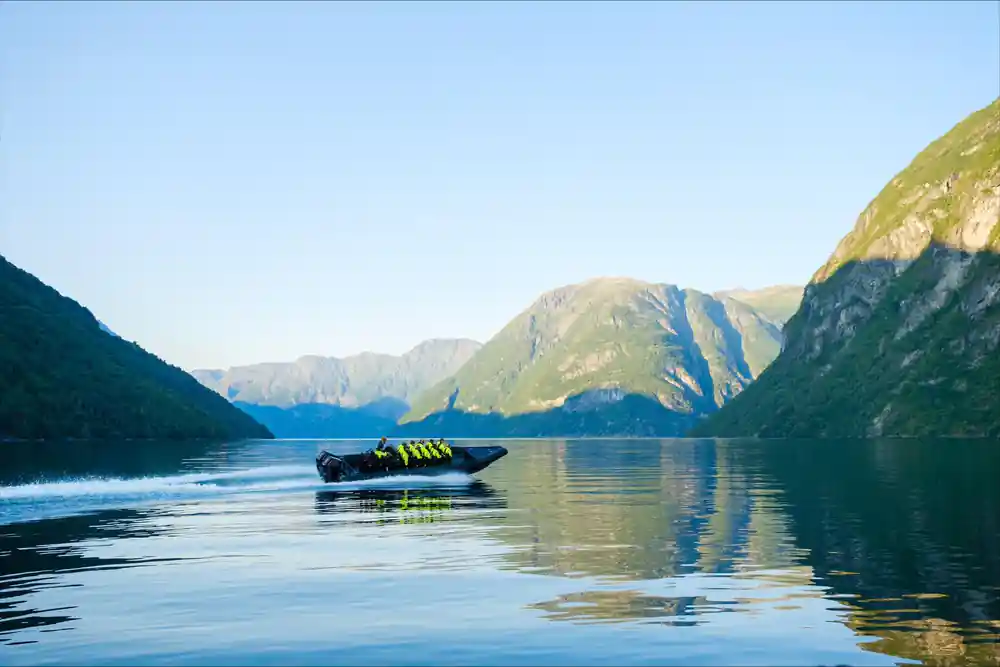
The person at the wheel is a local skipper who reads the fjord the way a driver reads a road: where the wind funnels down off the Sunnmøre Alps, where the water deepens, and which side of the boat keeps the spray off your face. On the RIB Ålesund - Fjordsafari Hjørundfjord the skipper and the guide work as a pair, and the listing shows a live tour guide who speaks English.[1] The boat is small and open, so you sit close to the surface and feel every change in it. Ask early which side to sit on, and you will spend the trip looking at the view rather than over a shoulder.
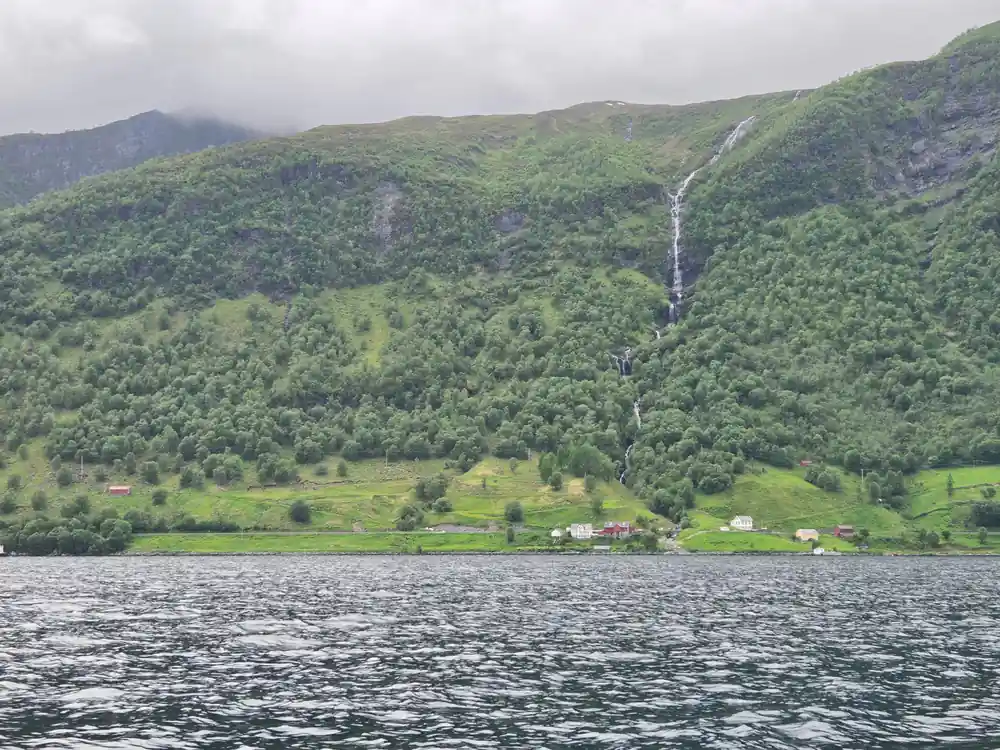
The water under the hull is the Hjørundfjord, which stretches for 35km.[6] Above it stand the peaks of the Sunnmøre Alps, among them Slogen, a 1,564-meter mountain whose pyramid shape plunges straight into Norangsfjord, an arm of the Hjørundfjord.[2] Local crews point these landmarks out without a map or a script. Much of what you hear is working knowledge of the valley: which farm is still in use, where the snow sits late, and which waterfall is loudest after rain. None of it is rehearsed the way a coach commentary is, and that is the real point of going out with someone who lives here.
The safety briefing before you leave the dock
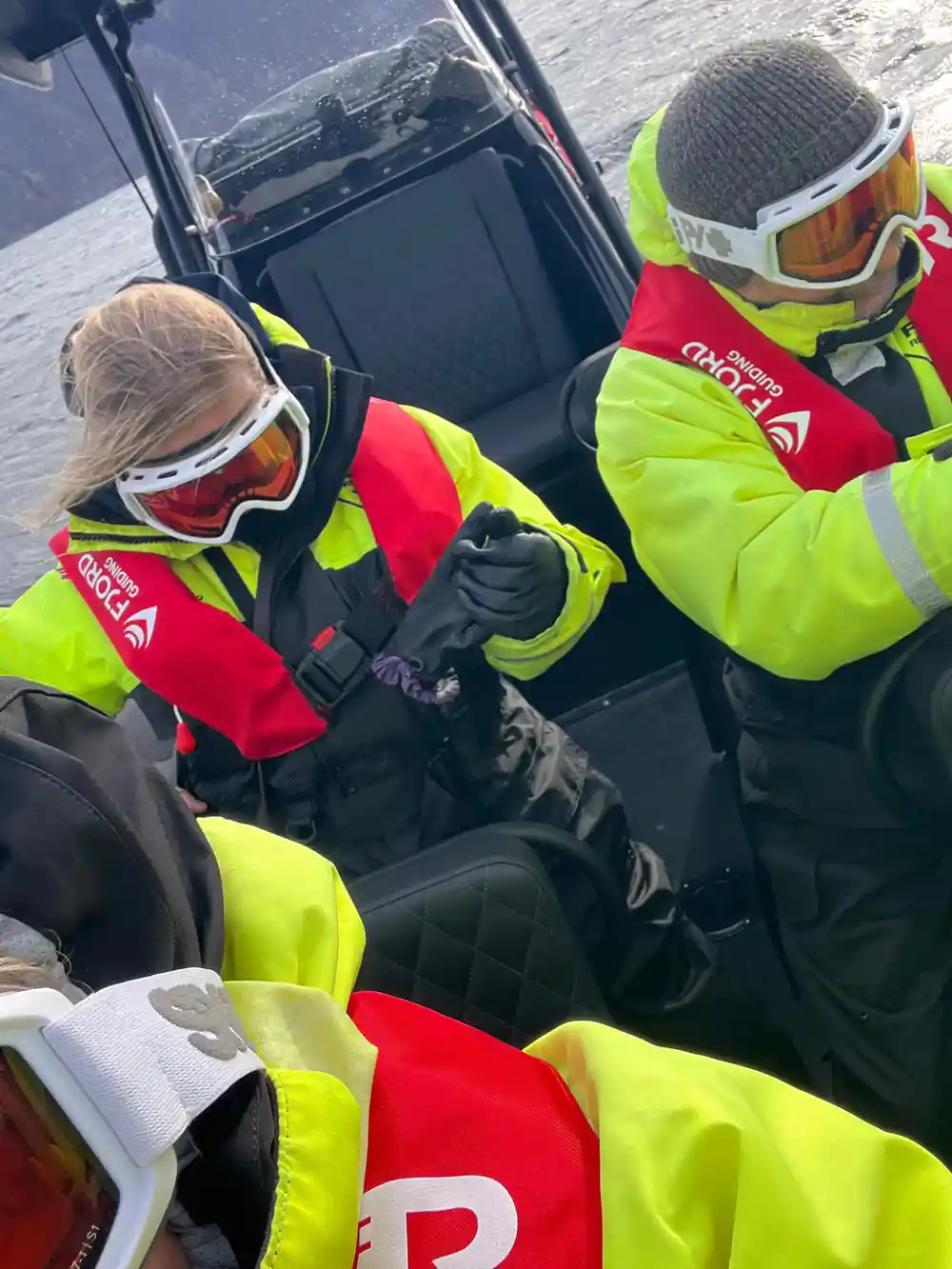
Every RIB trip starts with a short briefing at the dock, and it is worth listening to rather than photographing. The crew shows you how the life vest goes on and how it should sit, where to put your feet, how to hold the grab handle in front of you, and how to sit when the boat comes off the plane. You will also be told what to do if you want the skipper to slow down or stop, usually a simple hand signal that anyone can give and everyone can see.
Nobody expects you to remember all of it after one pass, so ask the guide to run through anything again while the engine is still off. If you have a bad back, a recent injury or you are travelling with a child, say so before you board; the crew can seat you where the ride is gentlest and the spray is least. The tour itself is listed as 105 minutes with Hjørundfjorden as its stop.[1] Once you are settled and the throttles open, the briefing stops being instructions and quietly becomes the reason the ride feels easy.
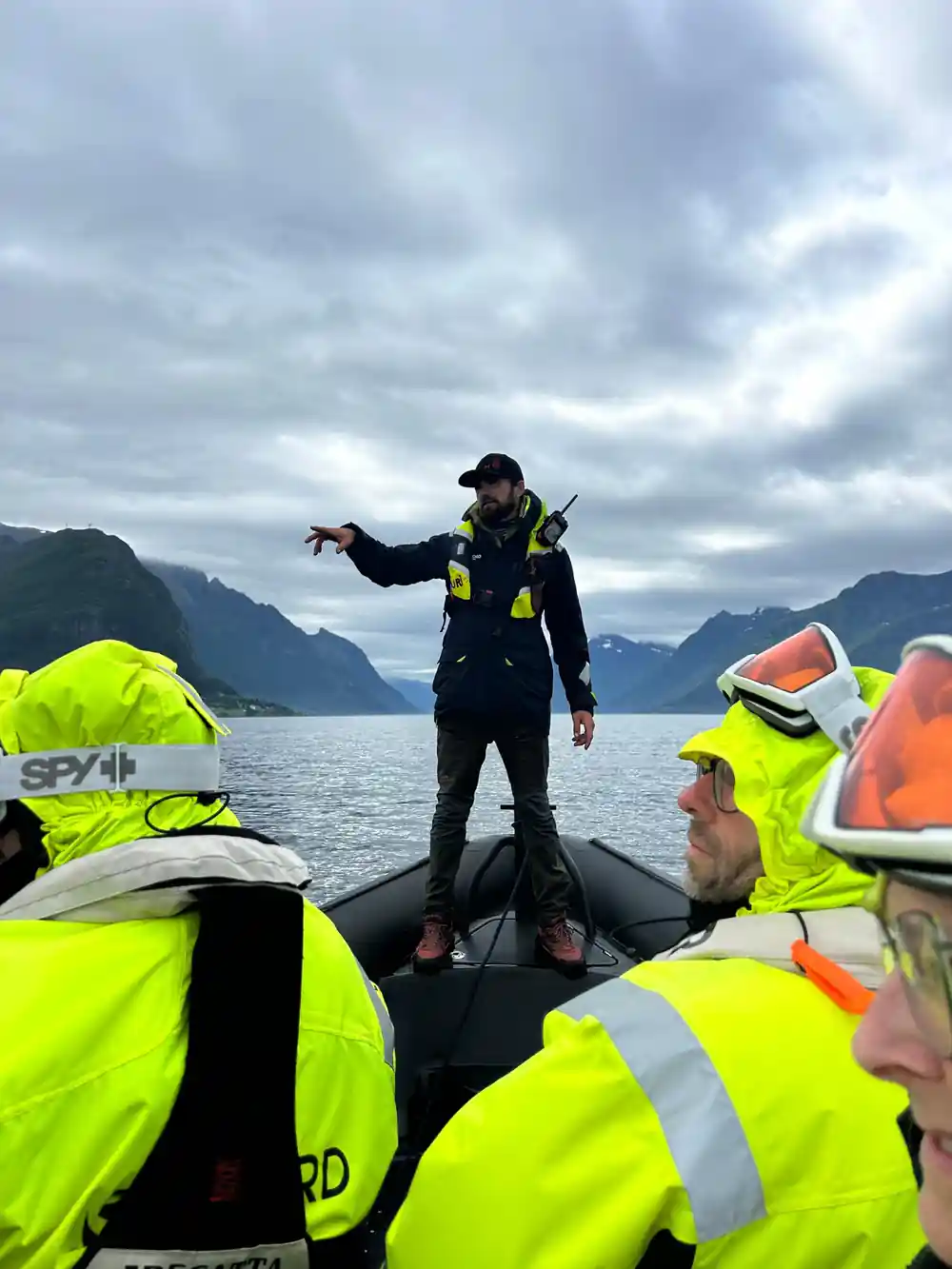
The skipper cuts the engine beside a waterfall, and the whole valley goes quiet.
Hearing the guide over the engine
A RIB at speed is a noisy place. Wind, spray and two outboard engines all compete with the human voice, and even a guide with a good microphone will lose a few words when the throttle opens. The practical fix is position. Sit as close to the guide as you can, keep your hood down so your ears are clear, and lean in whenever the skipper eases back. If you wear a hat, hold it. If you wear glasses, expect to wipe them.
Most of the talking happens when the boat slows, which is also when the fjord becomes worth hearing: the engine note drops and the valley opens around you. If you miss a name, ask. Guides on a small boat are used to repeating themselves, and a question about a farm, a peak or a waterfall often turns into the best part of the trip. Children ask the good questions, usually about speed, depth and whether anyone swims here in winter.
Commentary and photo stops on the fjord
The Hjørundfjord hides a lot in plain sight. In Norangsdal, a rock fall from Keipen formed Lygnstøylvatnet in 1908, and beneath the water you can still make out the old road, the foundations of the farmhouses and a gateway.[7] Further along, Hotel Union Øye was established in 1891 and gained fame when the aristocracy and luminaries of Europe came looking for nature without giving up luxury and comfort.[8] A good skipper points these out as you pass, so you do not have to look them up afterwards.
Photo stops are the other reason to keep your camera within reach. When there is room to drift, the skipper cuts the engine and lets the boat settle so you can stand and shoot. When there is not, you photograph from your seat with the strap around your wrist. Keep an eye on the water as well as the mountains: harbour porpoises are the fjord's most common cetaceans, appearing singly or in small groups as they hunt fish near the surface.[3]
from US$157
The RIB Ålesund - Fjordsafari Hjørundfjord is listed at 105 minutes with a live guide in English, stopping at Hjørundfjorden.[1]
How the commentary changes with the seasons
If you are working out when to visit fjords in Norway, remember that the season shapes the commentary as much as the view. Ålesund has an oceanic climate with cold, rainy winters and cool summers,[9] and the fjord reads that weather in its own way: meltwater feeds the waterfalls in spring, the slopes turn green under long summer light, autumn brings colour to the valley floor, and winter strips the place back to snow, rock and quiet water.
A skipper who runs the fjord all year tells the story differently each time. In spring the talk is meltwater and which mountain roads open first. In high summer it is light, farms and the families who still work them. In autumn it is colour, cloud and shortening days. In the quiet months it is weather, wildlife and where the ice forms. Ask what the fjord looks like in a month you have not seen, and you will usually get an honest answer rather than a sales pitch.
Asking questions on a small RIB
Small boats make good classrooms. With a handful of passengers there is no back row, no queue for the microphone and no reason to keep a question to yourself. The things people ask most are practical: how deep the water is here, how the villages keep their roads open, what happens to the ferries in winter, and whether the boat really can go faster on the way home. Photographers ask about light. Everyone else asks about lunch.
Village life is a favourite subject, and the answers are easy to hold on to. In summer an express boat service from Ålesund to Øye stops at Trandal, Sæbø and Urke,[10] and there are ferry crossings between Ytre Standal, Trandal, Sæbø, Skår and Leknes.[10] Ask the crew which of those places they would choose for a night, and you will get a better answer than any guidebook, plus a reason to come back in a different season.
Tipping and gratuities in Norway
Gratuities on a Norwegian fjord tour sit outside the price you paid and stay a personal choice. If a skipper read the water well and a guide made the valley make sense, a thank you at the dock is the usual gesture, and anything beyond that is your call. Crews tend to remember curious passengers rather than generous ones, so ask a second question before you reach for your wallet. It is the interest, not the cash, that keeps the commentary good.
The booking side is more straightforward. This tour comes with reserve now and pay later, and with free cancellation, so you can cancel up to 24 hours in advance for a full refund.[1] That gives you room to plan a fjord day around the forecast rather than around a payment deadline, which matters in a place where wind and rain decide how good the light will be. Book the RIB early in your stay and you leave yourself other days for other weather.
How travellers rate four fjord tours in the area
Ratings as listed: 4.88 from 150 reviews[1], 4.58 from 282 reviews[4], 4.94 from 238 reviews[5], 4.93 from 13 reviews[11].
Fjord tours from Ålesund and Hellesylt, from-prices
Adult from-prices in US dollars: US$157[1], US$115[4], US$104[5]. No child fares are listed for these tours.
Your day, from booking to dock
On the day, step by step
Check in at the dock
Arrive a little early so you can find the boat and meet the crew without rushing.
Gear up
Pull on the float suit and life vest, and leave your bag somewhere dry.
Safety briefing
Listen to the briefing, ask about anything unclear, then settle into your seat.
Out into the fjord
The skipper opens the throttle and the valley walls start moving past you.
Photo stops and questions
Ask the guide to repeat a name, and take your pictures when the boat slows.
Back at the dock
Hand back the gear, thank the crew, and ask for a tip on where to eat.
Put a local skipper and a guide on your fjord day
from US$157Reserve now & pay later