At a glance
- The tour is listed at 105 minutes, with Hjørundfjorden as its stop. Check availability to see starting times.[2]
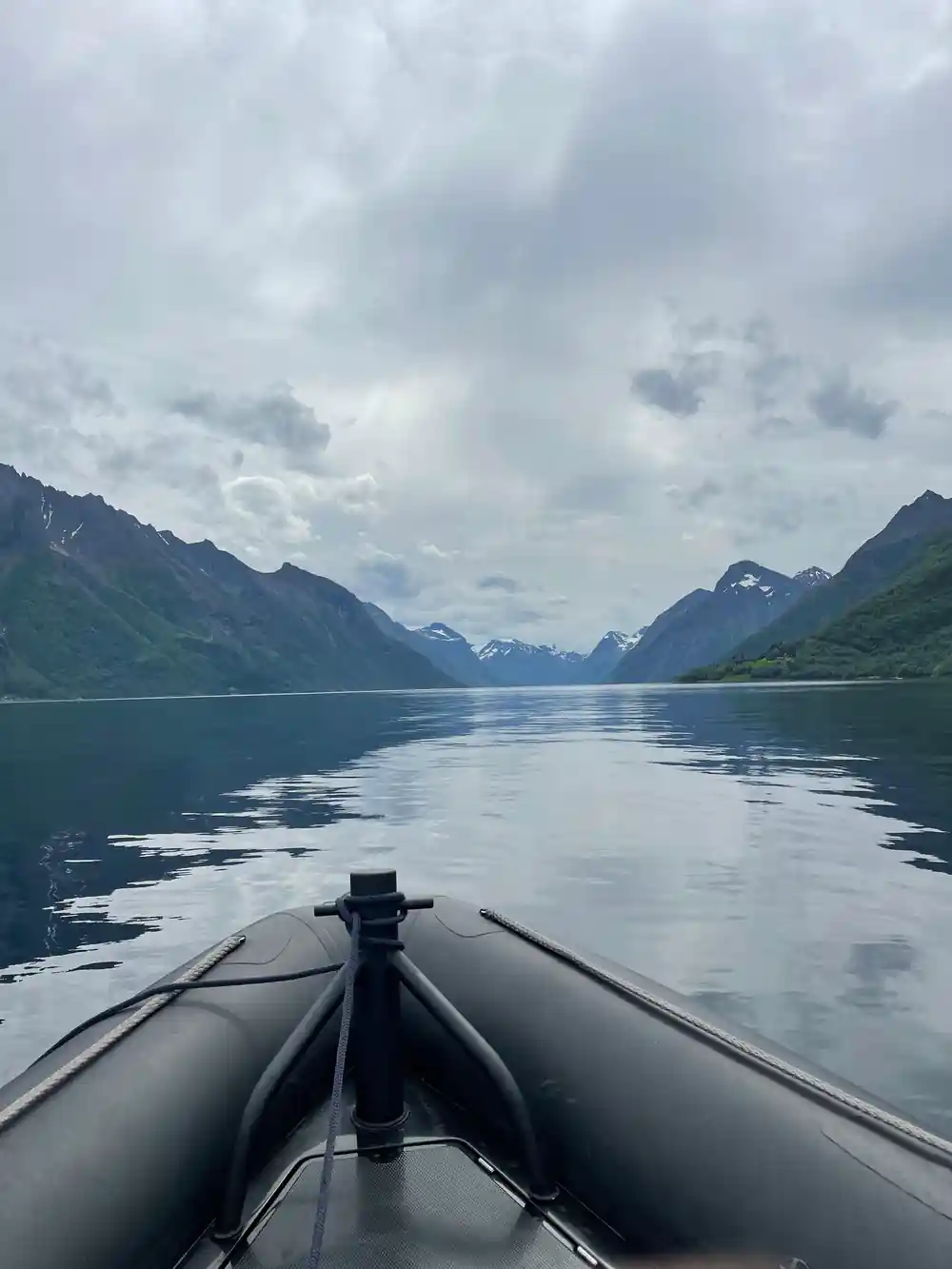
- The Hjørundfjord stretches for 35km beneath the jagged peaks of the Sunnmøre Alps.[3]
- A live tour guide runs the trip in English and stays with you for the whole ride.[2]
- From US$157 per person, and the listing lets you reserve now and pay later.[2]
- Free cancellation up to 24 hours in advance for a full refund, as stated on the listing.[2]
- Top choice Alesund RIB Safari from US$157 Duration105 minutes[2]Rating4.88 from 150 reviews[2]GuideLive tour guide: English[2]StopHjørundfjorden[2] Check availability
- Uteguiden RIB Safari from US$158 Duration2 hours[4]Rating4.93 from 13 reviews[4]GuideLive tour guide: English[4]StopHjørundfjorden[4] See this tour
- Hellesylt Geiranger RIB from US$104 Duration1 hour[5]Rating4.94 from 238 reviews[5]GuideLive tour guide: English[5]StopGeirangerfjord[5] See this tour
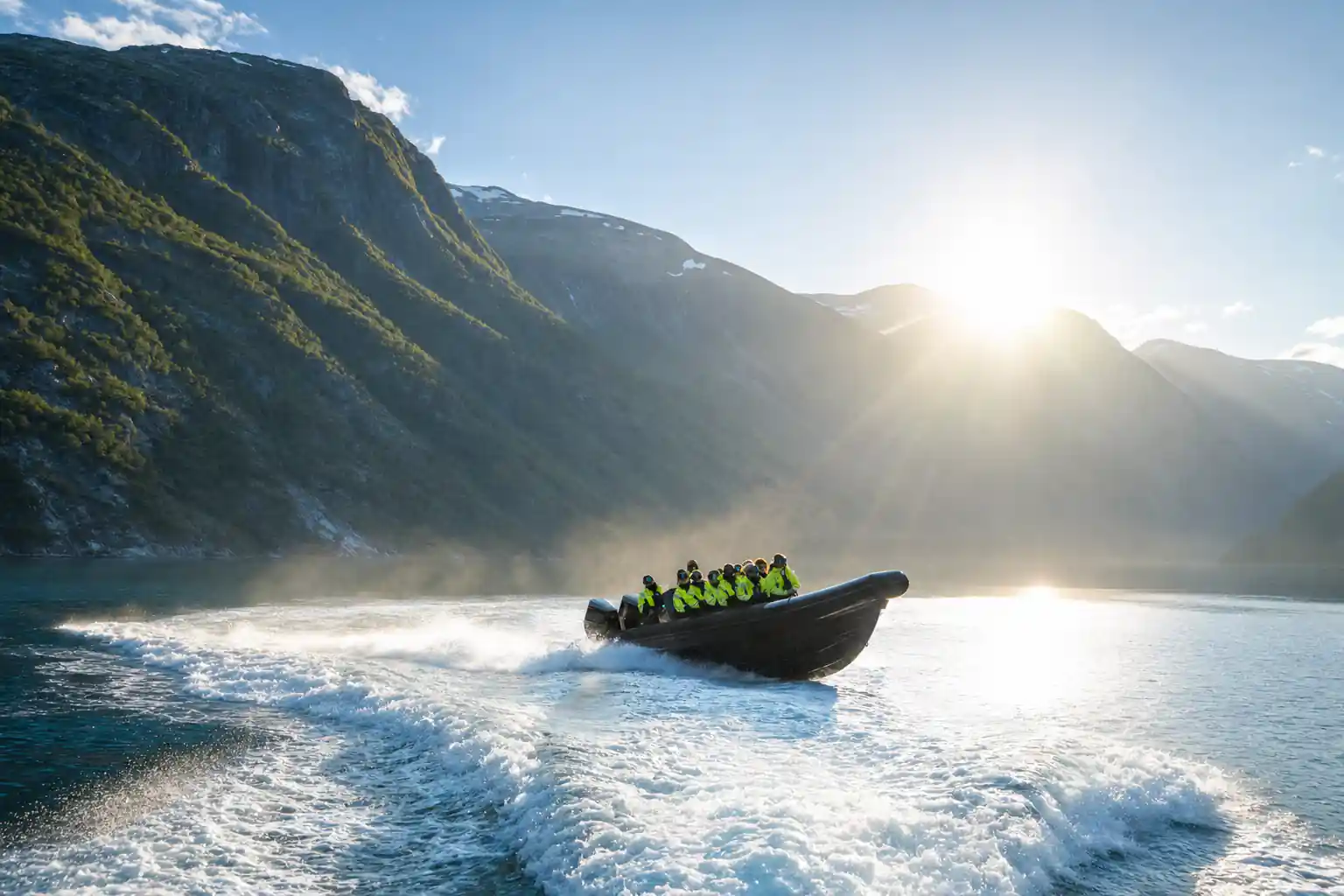
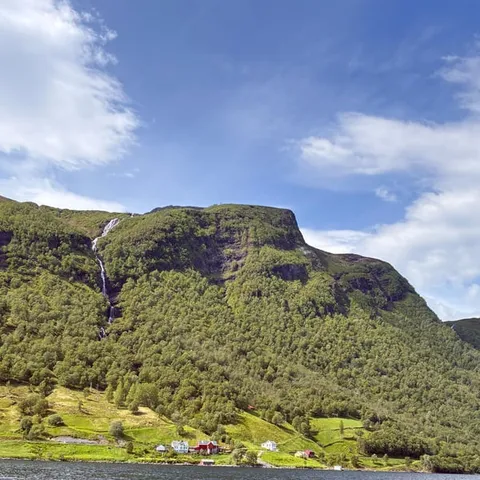
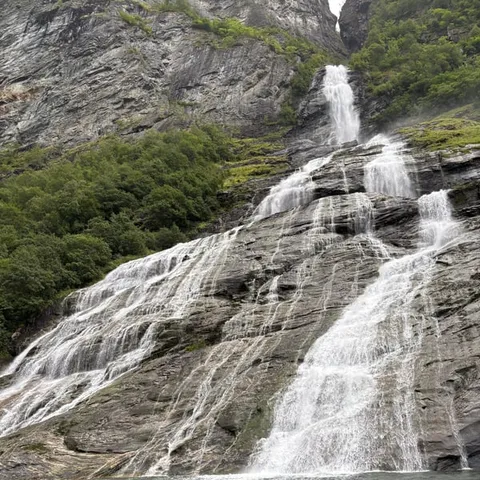
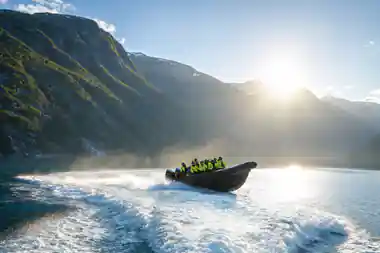
the Hjørundfjord stretches for 35km beneath the jagged mountain peaks of the Sunnmøre Alps
Who this RIB safari suits
Plan ahead
- Free cancellation up to 24 hours in advance for a full refund[2]
- From US$157 per person, and the listing lets you reserve now and pay later[2]
- The safari is listed at 105 minutes, and you check availability to see starting times[2]
- Ålesund has an oceanic climate with cold, rainy winters and cool summers[6]
On the water
The outbound leg, out of town and onto the fjord
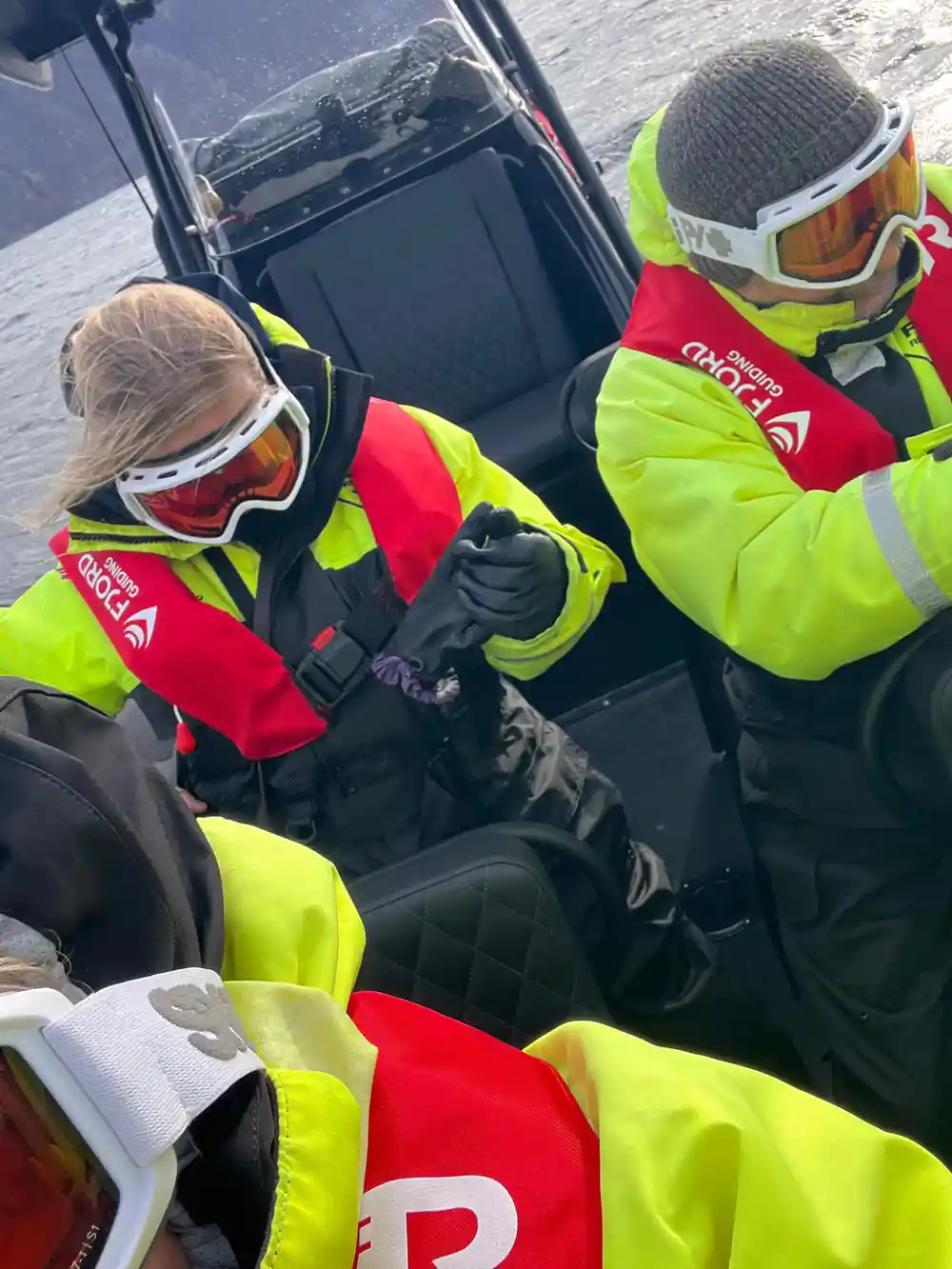
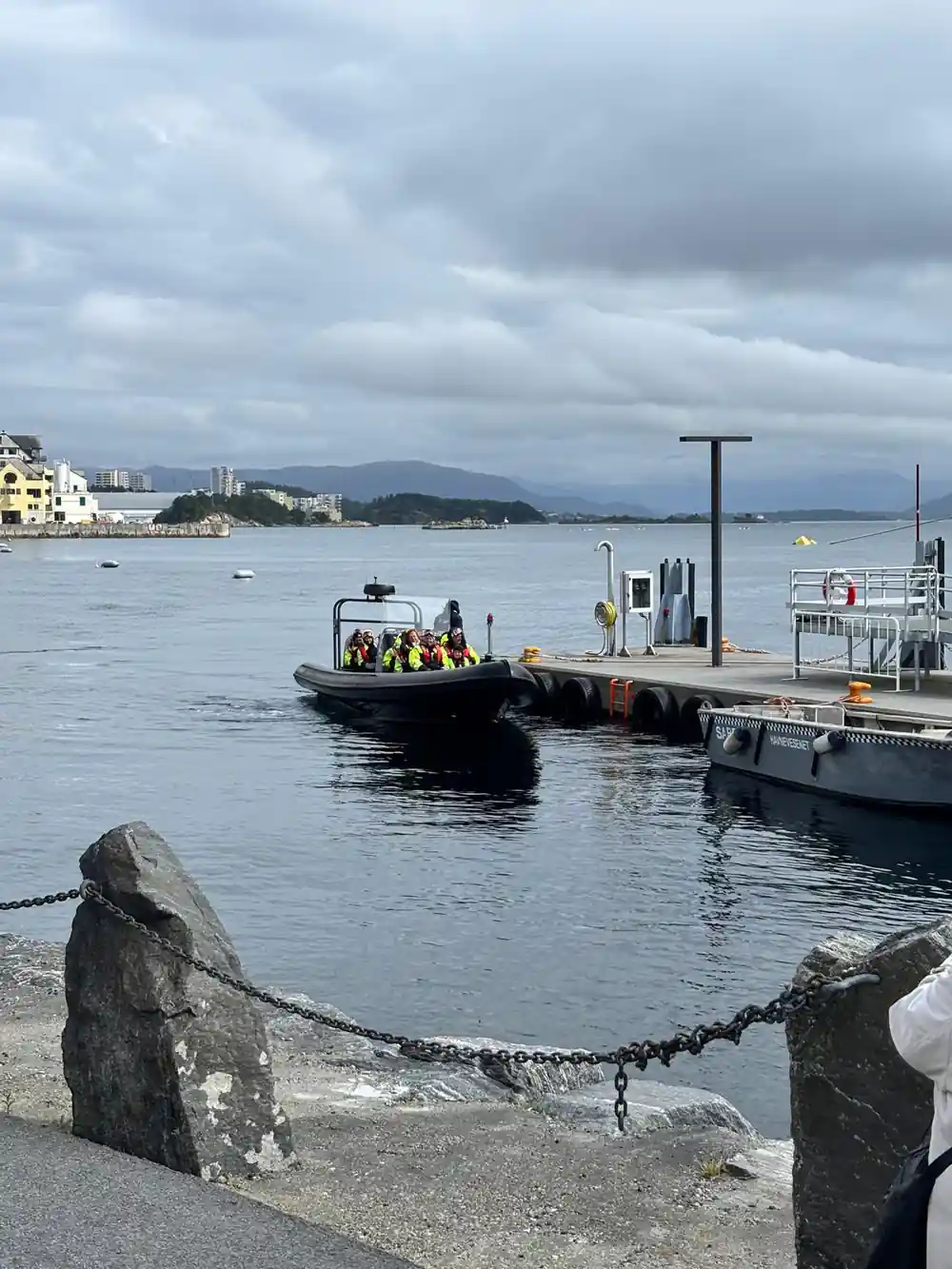
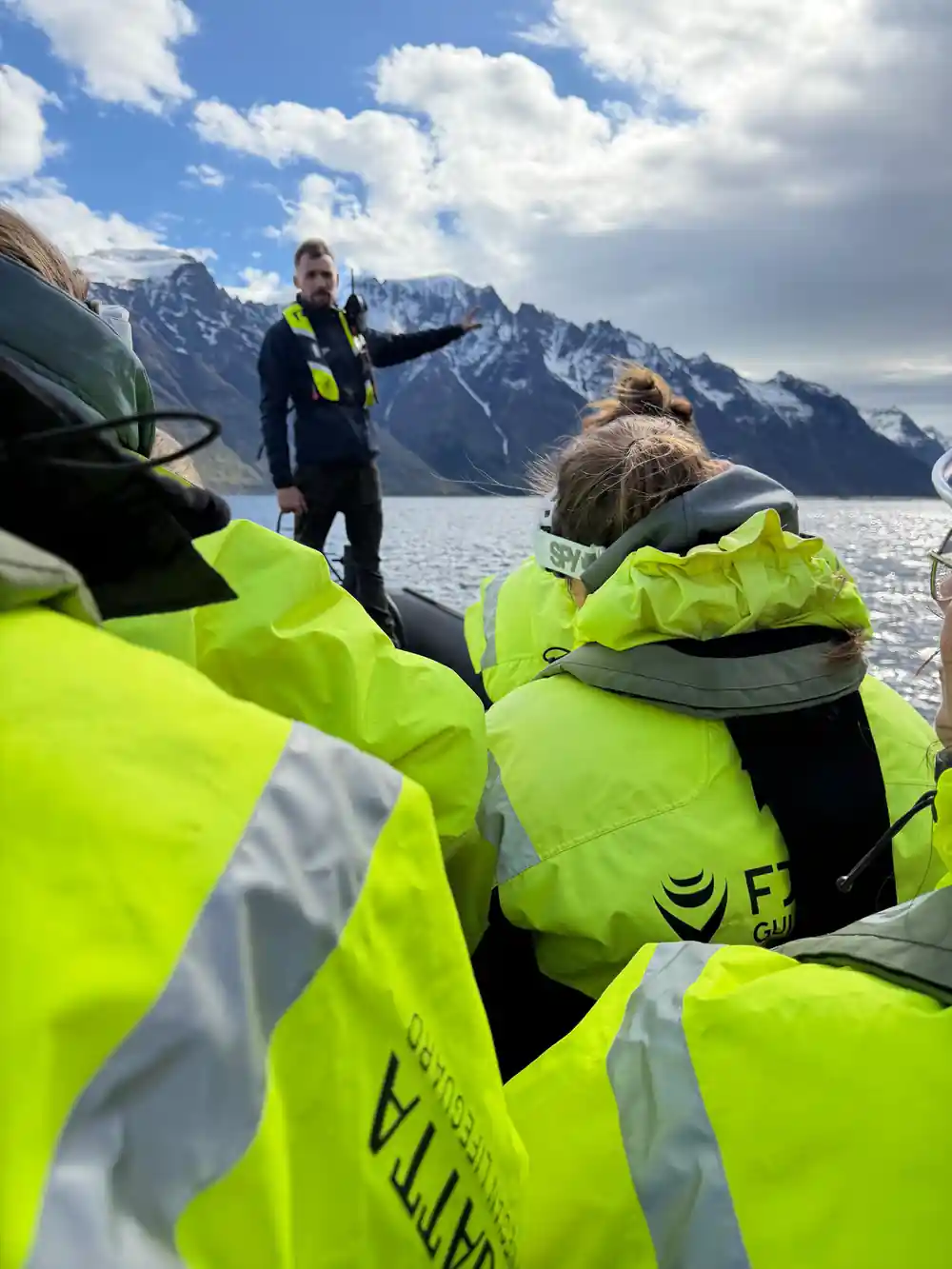
A RIB safari starts on land, and the first job is kit rather than scenery. You meet the crew, pull on a flotation suit and listen to a short briefing on how to sit, where to brace your feet and what the hand signals mean. Then the engine turns over, the boat edges away from the dock and the town slides behind you. This is the part where you notice the cold and the noise, and where you work out how wet the ride is going to be.
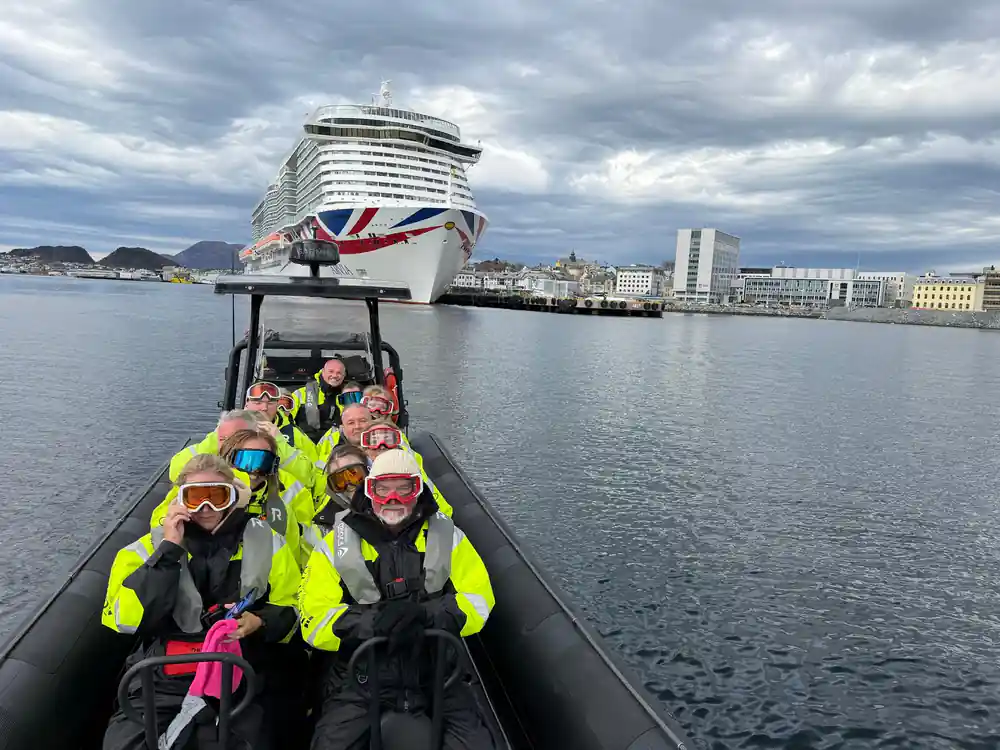
Once clear of the harbour, the driver opens the throttle and the hull lifts onto its own bow wave. Low islands and bare rock slide past at eye level, and the water turns from harbour grey to something darker and colder. The wind does most of the talking from here. If you have never ridden in a RIB, that first fast run is the surprise: less like a boat trip, more like being let loose on a very wet road.
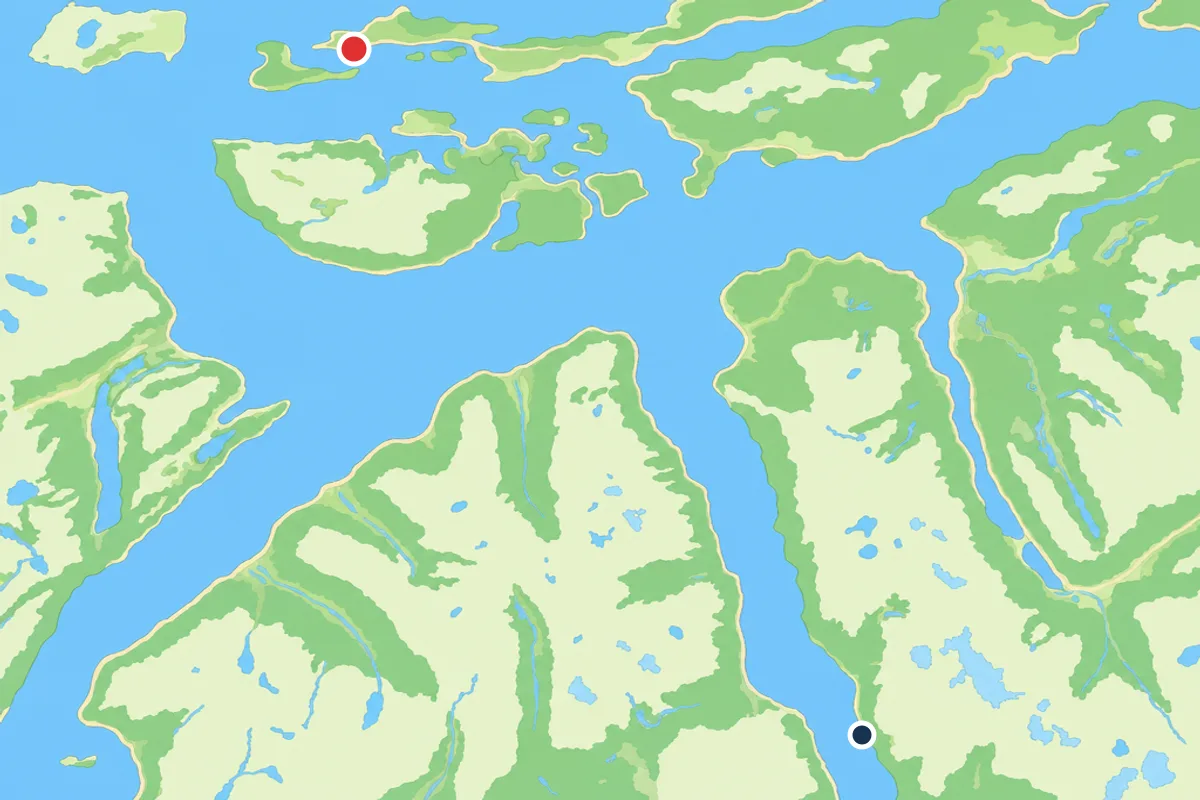
The fjord ahead is long. The Hjørundfjord stretches for 35km, running beneath the jagged peaks of the Sunnmøre Alps.[3] From the water the scale is strange, because the mountains rise almost straight out of the sea and the valleys behind them stay hidden until you are nearly level with them. Slogen rises to 1,564 meters in the same range, a pyramid that plunges into Norangsfjord, an arm of Hjørundfjord.[7]
Throttle, speed and where the boat slows for photos
Speed on a RIB is not constant, and that is the point of it. The driver runs fast over the open stretches and eases back where the fjord narrows or where there is something worth a look. You feel the change before you see the reason: the bow drops, the spray stops, the engine note settles into a rumble and the guide turns and points. Photo stops are short, taken standing or half standing, so keep a camera on a lanyard and a phone in a pocket you trust.
Shooting from a moving RIB is mostly about timing and cleaning. Spray dries into salt spots that wreck a lens, so a microfibre cloth in a zipped pocket earns its keep. Wide views of the fjord work best as the boat slows and the walls close in on both sides, which is also when the light gets interesting. The best frame is often behind you, where the wake draws a white line back down the fjord.
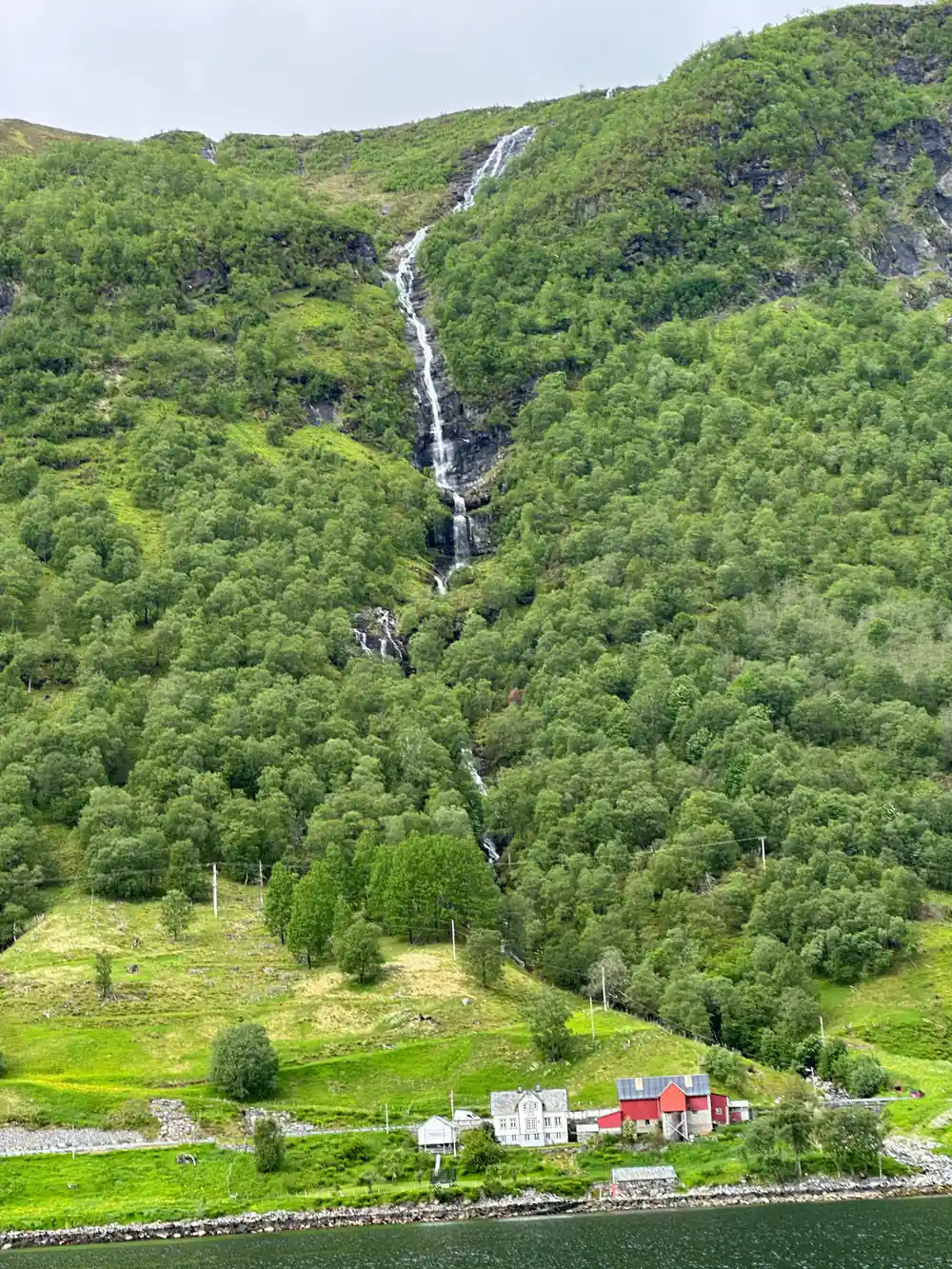
Along the way there are small settlements, jetties and a few buildings that look far grander than their surroundings. Hotel Union Øye was established in 1891, and it gained fame when the aristocracy and luminaries of Europe came looking for nature without giving up luxury and comfort.[8] Seen from the water, that history sits oddly against the empty slopes above it.
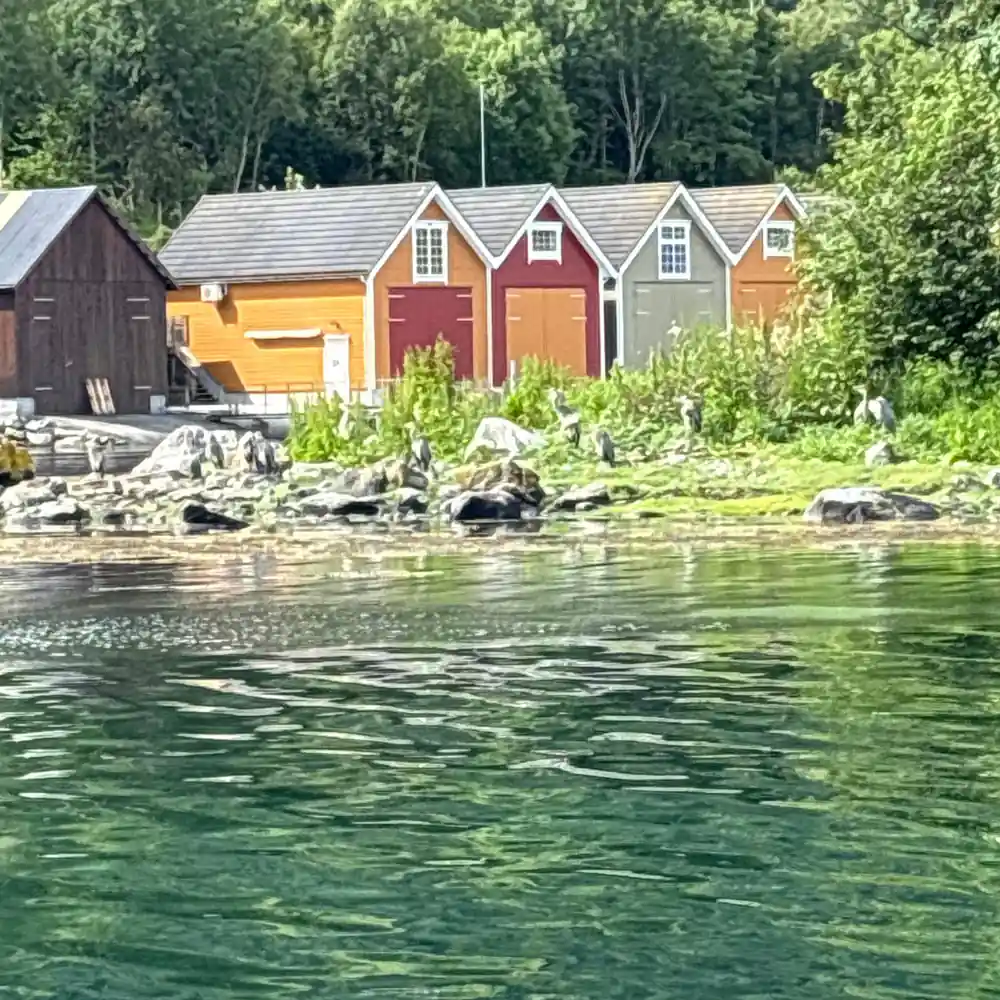
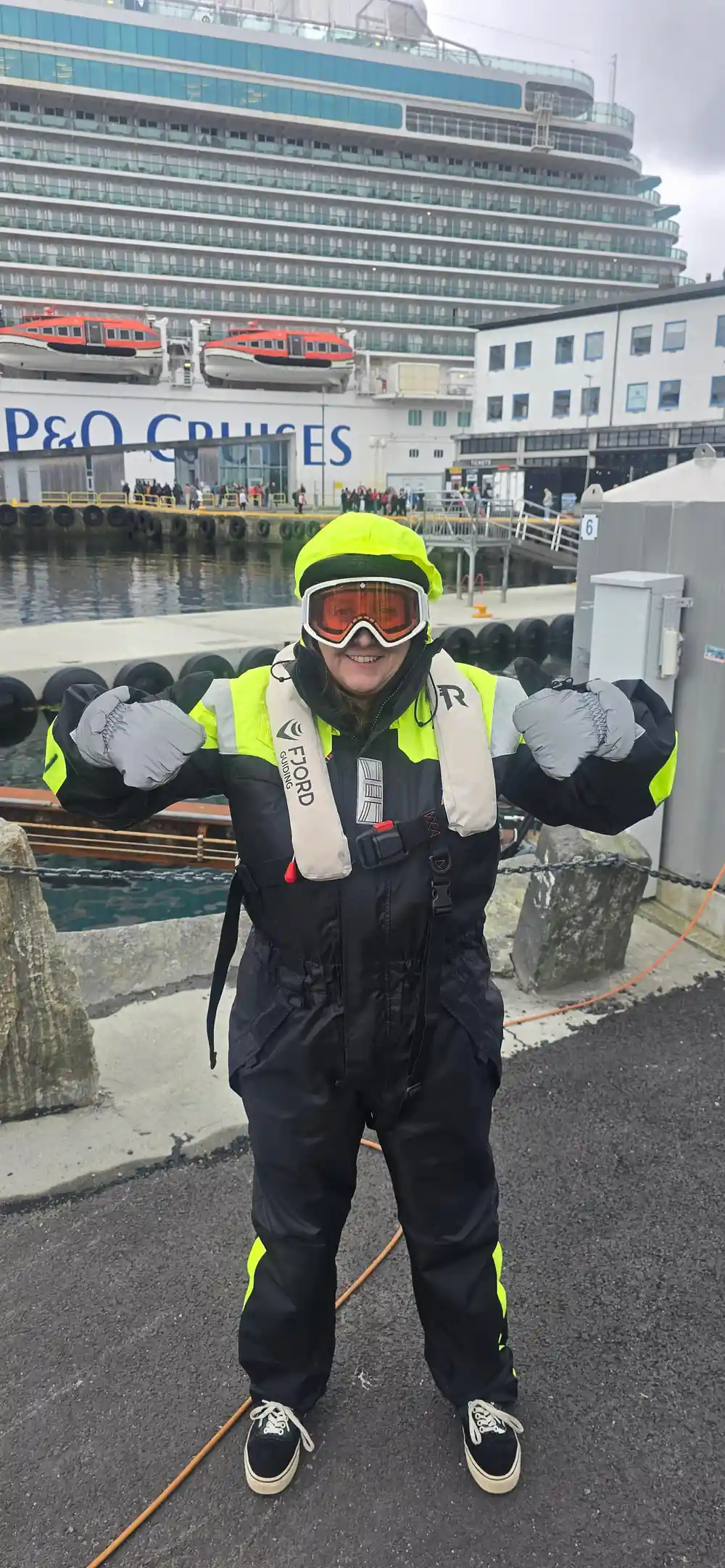
Suits on, visors down: the ride out of the harbour is where the trip really starts.
The Hjørundfjord and your turnaround point
The listed stop on this safari is Hjørundfjorden.[2] The water splits and bends, and the arms have their own names and their own weather. Small places sit along the shore, and the summer express boat from Ålesund to Øye calls at Trandal, Sæbø and Urke.[9] There are ferry crossings between Ytre Standal, Trandal, Sæbø, Skår and Leknes as well.[9]
Inland, in the valley of Norangsdal, there is a small lake with an odd history. Lygnstøylvatnet was formed by a rock fall from Keipen in 1908, and beneath the water you can still make out the old road, the foundations of the farmhouses and a gateway.[10] It is a quiet, slightly eerie place, and a reminder of how actively these valleys are still changing.
The turnaround is often the calmest part of the trip, when the driver cuts the engine and the boat drifts. Harbour porpoises are the fjord's most common cetaceans, and they appear singly or in small groups as they hunt fish near the surface.[11] They are small, quick and easy to miss, so borrow the guide's eyes. For a few minutes, watch the water rather than the mountains.
How the guide talks to you over the engines
A RIB at speed is loud, and shouting does not solve it. Boats on this kind of trip carry headsets or helmets with an intercom, and the guide uses them for commentary, safety calls and small warnings about a turn or a wave ahead. Listen properly at the start, when the briefing happens, because the hand signals used later are explained there.
A live tour guide runs this safari in English.[2] That matters more than it sounds on a boat where you cannot ask a question mid turn. Between stops there is usually time to ask about the farms, the avalanche paths on the slopes or the names of the peaks, and the quiet stretches are the best moment for it.
If you cannot hear, say so early. Volume is usually adjustable on the headset, and a seat swap at the first stop is often possible. Hand signals bridge the gap when the engine noise wins: a flat hand for slow down, a point for look there, a raised fist for hold on. Learn two of them and the trip gets easier.
from US$157
The RIB safari to Hjørundfjorden runs 105 minutes with a live guide in English and a stop in the fjord.[2]
Seats, comfort and where to sit on the boat
RIB seating is a saddle rather than a bench. You straddle it, plant your feet in the straps or against the tube in front and hold the handle ahead of you. That position is remarkably stable once the boat is moving and surprisingly tiring if you fight it. Let your knees take the bumps instead of locking your arms.
Seats near the middle tend to be the driest and the least bouncy, while the back of the boat catches more spray and more movement. The front row gets the clearest view and the biggest hits. Say something if you would rather stay dry, or if you have a bad back, and the crew will place you as well as they can.
What you wear decides how much you enjoy the ride. Warm layers under a windproof and waterproof shell work better than one thick jumper, and gloves and a hat matter even in summer, because the air on open water feels far colder than in town. Most operators hand out flotation suits, life jackets, goggles and gloves, so check what is provided before you pack. Soft soled shoes and a small bag are the sensible choice.
Weather, water and what the ride asks of you
Ålesund has an oceanic climate, with cold, rainy winters and cool summers.[6] Rain is possible at any time of year, so treat a dry, still day as a bonus rather than the baseline. Fjord weather also changes quickly between the arms of the mountains, and a bright morning in town does not promise a bright afternoon on the water.
The physical side is real but short. You step down into the boat, sit astride a saddle, hold on through the fast sections and stand up at the stops. That is within most people's range, but it is not a gentle cruise, and anyone with a recent injury, a fragile back or a pregnancy should ask the operator before booking. Think about seasickness if you are prone to it, especially on the open crossing.
Water conditions matter more than the air. Wind against tide builds chop, and the driver will slow and change the line to keep the ride comfortable. Watch the forecast, take the crew's advice on the day and dress for the worst rather than the best. The fjord is deep, cold and very large, and a small open boat is not the place to test a thin jacket.
The run home and the end of the journey
The return leg often feels shorter than the way out. You know the landmarks by then, the wind comes from a different angle and the boat usually runs a straighter line home. It is a good moment to stop filming and simply look, because the light on the water behind you is often the best of the day.
Back at the dock the suit comes off, the hair comes back to life and someone always mentions coffee. Build in a buffer after the trip instead of stacking it against a ferry or a flight, because a damp, happy, slightly deaf version of you takes a while to turn back into a normal traveller. The tour is listed at 105 minutes, and you check availability to see starting times, so look at the listing when you book.[2]
If you would like the same water at a slower pace, the Hjørundfjord Fjord Cruise roundtrip from Ålesund takes 5 hours from US$115, and it calls at Trandal, Sæbø, Urke and Øye.[12] A RIB day also pairs well with a walking day in Ålesund, which is how the fjordsafari tour often ends up as one part of a wider week rather than the whole point of it.
Traveller ratings for the fjord tours
From prices for fjordsafari tour options
US dollar from prices of these tour listings:[2][4][5]
When to book and when to go
How the safari runs
Book your slot
Pick a date and a starting time on the listing, with free cancellation up to 24 hours in advance for a full refund.[2]
Meet the crew
Arrive early, sign in and take the safety briefing before you step down into the boat.
Suit up
Pull on the flotation suit, take the gloves and goggles offered, and keep warm layers underneath.
Ride out
The driver opens the throttle outside the harbour, then eases back where the guide has something to show you.
Turn around
The calmest minutes come at the turnaround, when the engine drops and everyone watches the water.
Head home
The run back is usually quicker, and you are at the dock within the listed 105 minutes.[2]
Pick your date and ride the Hjørundfjord by RIB
from US$157Reserve now & pay later